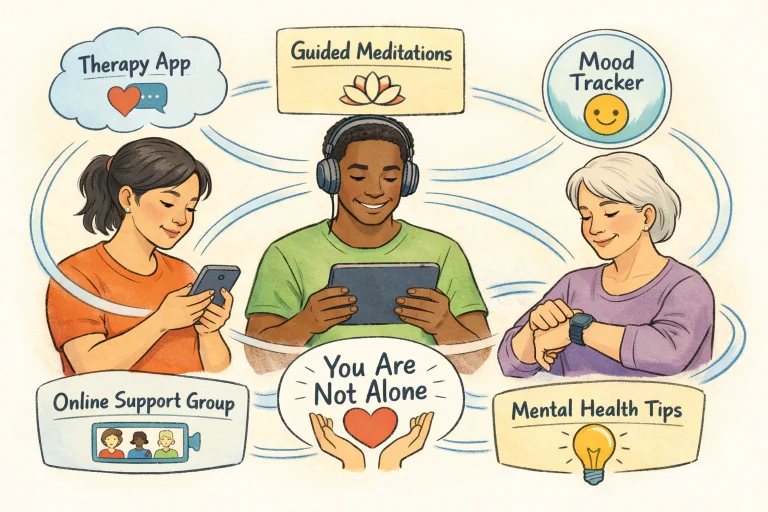
The emerging landscape of digital health technology is transforming how addiction and mental health treatment are delivered across communities. Digital tools are increasing access to support, making interventions more personal and data-driven. This shift not only opens up broader opportunities for individuals who need care but also enhances continuity of support, monitoring, and engagement that traditional treatment models previously limited. For those seeking local resources and modern approaches, options like Drug Rehab Grand Junction are integrating digital health advancements to better serve those struggling with addiction.
As mental health care evolves rapidly, digital tools are proving invaluable to clinicians and patients alike. These technological solutions provide unique methods for tracking symptoms, accessing therapy, and receiving timely interventions regardless of geographic location. By making help more accessible and customizable, the mental health system is better equipped to reach vulnerable groups and ensure continuity of care.
Introduction
Digital technologies are fundamentally reshaping addiction and mental health treatment, providing tools that not only extend the reach of care but also make it more individualized and responsive to patient needs. Through applications that enable real-time monitoring and evidence-based interventions, these innovations are driving better health outcomes and improving the overall patient experience.
By leveraging data and algorithm-driven insights, health professionals can track changes in patient behavior, spot risks early, and deliver tailored interventions that adapt to each individual’s journey. This real-time connection between patient and provider promotes trust and consistency in care, even outside the clinic walls.
The Rise of Digital Health in Mental Health Care
Digital health spans a wide variety of technology-driven solutions, including mobile health apps, digital therapeutics, telepsychiatry, and online counseling platforms. These changes are not only changing how care is delivered but also who can access it. For populations in rural or underserved areas, the ability to connect with specialists and mental health resources remotely has closed critical gaps in care.
Mobile health applications allow users to monitor symptoms, access interactive therapy, and receive daily prompts that support behavioral change. Enhanced precision and measurement improve efficiency in previously manual aspects of mental health interventions. Studies featured by the Centers for Disease Control and Prevention underscore how digital solutions not only improve patient convenience but also drive better long-term management of chronic mental health conditions.
Wearable Devices and Real-Time Monitoring
Wearable technology, such as fitness trackers and smartwatches, has significant applications in mental health and addiction treatment. These devices continuously collect physiological data, enabling timely, informed intervention. By tracking metrics such as sleep patterns, heart rate variability, or stress levels, clinicians and apps can spot deviations from baseline and send reminders, motivational messages, or exercise suggestions to users.
This real-time data fosters a proactive approach, enabling early detection of triggers or signs of relapse. By integrating wearable data into treatment plans, both patients and providers gain a comprehensive overview of health trends, which can lead to more meaningful conversations and targeted care strategies.
Mobile Applications and Digital Therapeutics
The rapid expansion of mental health apps, ranging from mindfulness and meditation guides to cognitive behavioral therapy platforms, has democratized access to mental health care. These tools offer flexibility and privacy, allowing users to seek help discreetly and on their own time. Digital therapeutics take this a step further, providing evidence-based, clinician-designed treatments that can supplement or, in some cases, replace traditional interventions.
Research published in Forbes points to the rise of specialized digital therapeutics as a crucial shift in chronic disease management, including substance abuse disorders. For many, these innovations offer a bridge to care when other resources might be limited.
Artificial Intelligence in Mental Health Treatment
Artificial Intelligence (AI) is playing a growing role in mental health care by streamlining patient assessments, analyzing user data, and predicting potential crises. AI-driven platforms study user interactions, detect changes in language or mood, and flag concerning patterns for human review. This helps prioritize resources, provides timely support to those at greatest risk, and reduces clinician workload.
Although AI brings efficiency and broader reach to mental health care, it also raises concerns about the accuracy of automated predictions and the protection of sensitive user data. As AI continues to shape the future of digital health, ongoing evaluations will be essential to balance innovation with privacy and safety.
Telehealth and Remote Counseling
The expansion of telehealth and remote counseling has revolutionized access to care, particularly since the onset of the COVID-19 pandemic. Virtual appointments have quickly become a mainstay, connecting patients with counselors, psychologists, and addiction specialists regardless of location or mobility challenges. By eliminating the need to travel, telehealth makes regular support more achievable, especially for people balancing work, family, and health commitments.
Studies highlighted by the Washington Post show that many individuals who began using remote counseling during the pandemic have continued to rely on these convenient services even as restrictions lifted.
Ethical and Regulatory Considerations
As digital health innovations accelerate, there is a growing need to establish protocols around privacy, consent, and clinical validation. Data security remains a significant concern because patient information is increasingly stored and transmitted electronically. The ethical use of digital health tools requires transparency about data use, robust measures to protect personal information, and clear guidelines for user consent.
Regulatory agencies are beginning to roll out guidance for digital health platforms, ensuring that the benefits of these innovations are realized without compromising safety or equity. Responsible adoption and regular review are essential to foster trust and credibility across the rapidly changing digital health ecosystem.
Conclusion
Digital health innovations continue to reshape addiction and mental health treatment, driving improvements in accessibility, personalization, and overall patient outcomes. Whether through wearable monitoring, AI-driven insights, or the flexibility of remote appointments, these tools are removing longstanding barriers and supporting recovery in new ways. With careful attention to ethical standards and regulatory frameworks, the promise of digital health can be realized for people and communities everywhere.