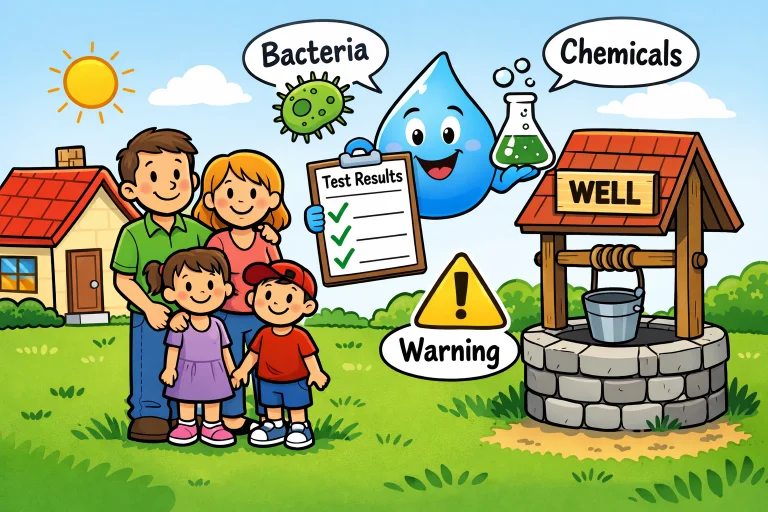
Access to clean and safe drinking water is essential for sustaining health and well-being. For those in Oakland County who depend on private wells, taking proactive steps to ensure water safety is vital. Regular water assessments help residents address potential issues before they pose serious risks.
Unlike public water utilities, the responsibility for private well maintenance lies with individual property owners. Routine testing is the first line of defense against contaminants that may compromise the safety of your drinking water. Whether you are concerned about visible changes in your water or want peace of mind, comprehensive testing, such as Oakland County well water testing, helps ensure your water is free of harmful substances and meets recommended safety standards.
Common well water contaminants range from bacteria and nitrates to heavy metals and industrial chemicals. Simple changes in taste, appearance, or smell can serve as an early warning sign of water quality problems. Testing annually or after any concerns arise helps maintain a safe supply.
Importance of Well Water Testing
Private well owners must take ownership of their water’s safety, since these systems lack oversight from agencies like the Environmental Protection Agency. Contaminants can silently enter groundwater through nearby septic tanks, agricultural runoff, or deteriorating well infrastructure. Routine testing is an essential tool for safeguarding your household’s health, helping you spot and address hazards before they cause problems. Keeping up with testing also supports compliance with local health recommendations.
Common Contaminants in Well Water
Well water may contain a variety of contaminants that can impact health if left unchecked:
- Bacteria and Viruses: Organisms like E. coli can cause serious illnesses and often signal possible sewage contamination.
- Nitrates: Commonly found in areas with fertilizer use, excess nitrates can be particularly dangerous for infants. Conditions such as methemoglobinemia, also known as “blue baby syndrome,” are linked to high nitrate exposure.
- Heavy Metals: Arsenic, lead, and mercury can accumulate over time and produce long-lasting health effects, including neurological and organ damage.
- Chemicals: Runoff from pesticides, herbicides, or industrial activity can introduce toxic compounds into groundwater supplies.
Learning more about the variety of threats affecting private wells is vital.
Recommended Testing Frequency
The Michigan Department of Environment, Great Lakes, and Energy encourages residents to test their well water for bacteria and nitrates at least once a year. Testing more frequently is advisable if there is any unexplained illness, new taste or odor, or local contamination incident. It is also prudent to retest after repairs or flooding events.
- If you notice a sudden change in water clarity or color, schedule a test promptly.
- Prompt testing is necessary after plumbing work or if nearby land use changes significantly.
- Continued vigilance is key for households with infants, older adults, or immunocompromised individuals.
Choosing a Professional Testing Service
Selecting a laboratory certified by the EPA or the state ensures the highest standard of analysis. Trusted labs use tested and approved methods to evaluate samples and deliver clear, actionable reports. In Oakland County, several local providers offer packages designed specifically for private well owners, helping to simplify the process and highlight the most relevant contaminants based on local geography and land use.
Interpreting Test Results
Lab results typically report the concentrations of specific substances in your water relative to safe drinking standards. Reviewing your test report alongside the EPA’s National Primary Drinking Water Regulations helps you determine when levels exceed recommended limits. If unsafe concentrations are detected, take swift action to prevent exposure and protect your family’s health.
Remediation and Maintenance
When test results show unsafe conditions, several strategies may help restore your well’s safety:
- Disinfection: Bacterial contamination often responds well to methods such as shock chlorination. This process sanitizes the system and eliminates microbial threats.
- Filtration Systems: Specialized filters are available to target contaminants such as heavy metals, chemicals, and nitrates. Matching the filter to the specific contaminant identified in your test report ensures effective remediation.
- Routine Upkeep: Inspect your well cap, casing, and surrounding area regularly to prevent structural defects and keep contaminant pathways sealed.
Resources for Oakland County Residents
Oakland County well owners have several options for support and further information:
- Health Division: Offering advice on water testing, well construction standards, and maintenance best practices.
- State EGLE Department: Details on water quality guidelines, compliance information, and a list of certified laboratories can be found on the Michigan Department of Environment, Great Lakes, and Energy website.
Final Thoughts
Protecting your family’s health starts at the source. By investing in annual testing, understanding test results, and maintaining your well with support from county and state agencies, you can ensure ongoing access to safe, clean drinking water.