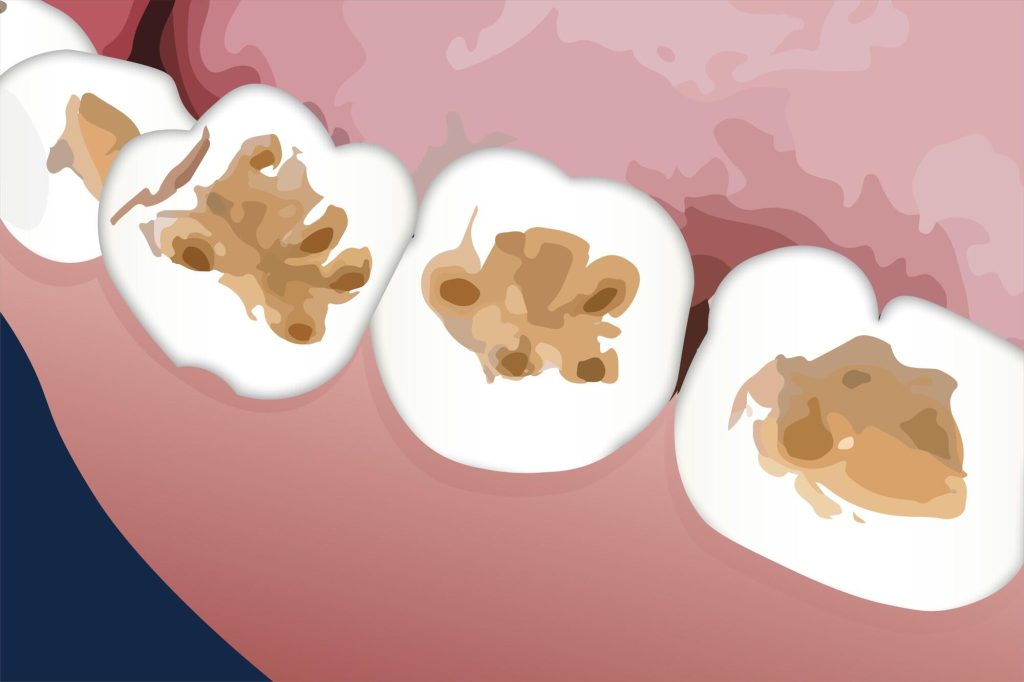
Many people think their teeth are healthy as long as they look white and feel strong. But some dental problems begin slowly and quietly. One of the most common is enamel erosion. It can happen over time without clear warning signs at first.
Enamel is the hard outer layer that protects teeth from damage. When it starts to wear away, teeth become weaker and more sensitive. Everyday habits like drinking soda, eating acidic foods, or brushing too hard may slowly damage enamel without people noticing right away.
The good news is that early signs can often be spotted before serious problems begin. Knowing what to watch for may help protect your teeth and prevent costly dental treatment later. Read more to learn how enamel erosion starts and what steps can help keep your smile healthy.
What Happens During Enamel Erosion
Enamel protects teeth from heat, cold, pressure, and decay. It is the strongest part of the tooth, but it can still wear down over time.
When Tooth Enamel becomes weak, the softer layer underneath may become exposed. This can lead to pain, sensitivity, and a greater chance of cavities. Unlike other parts of the body, enamel cannot grow back once it is lost.
This is why early care is very important. Catching the problem early may help slow down further damage and protect the teeth for many years.
Sensitive Teeth May Be an Early Warning
One of the first signs of enamel erosion is tooth sensitivity. People may notice pain or discomfort when eating hot, cold, or sweet foods.
Cold drinks may suddenly feel sharp on the teeth. Ice cream or hot coffee may also cause discomfort that did not happen before. This can occur because the enamel has become thinner, leaving the teeth less protected.
Sensitivity should not be ignored, especially if it continues for several days or becomes worse over time.
Changes in Color and Shape
Teeth with worn enamel may begin to look different. Some teeth develop a yellow shade because the inner layer of the tooth becomes more visible.
The edges of the teeth may also look thin, rough, or uneven. In some cases, small cracks or chips may appear. Teeth can also become shiny or smooth in unusual ways.
These changes may seem small at first, but they can become more serious if the enamel continues to wear down.
Common Habits That Can Damage Enamel
Many daily habits can slowly weaken enamel. Acidic drinks like soda, sports drinks, and citrus juice are common causes. Frequent snacking on acidic foods may also increase damage over time.
Brushing too hard can wear down the tooth surface. Some people also grind their teeth while sleeping, which may slowly damage enamel.
Dry mouth and acid reflux can also increase the risk because saliva helps protect the teeth from acid and bacteria.
Protecting Your Smile Before Damage Gets Worse
Taking care of enamel does not have to be difficult. Drinking more water and reducing acidic foods may help protect teeth. Using a soft toothbrush and gentle brushing habits can also lower the risk of damage.
Regular dental visits are important because dentists can spot early signs before major problems develop. Fluoride treatments and healthy daily habits may also help strengthen teeth.
A healthy smile depends on strong enamel. By paying attention to small warning signs and acting early, people can help protect their teeth and enjoy a more comfortable smile for years to come.
For more on this content, visit the rest of our blog!