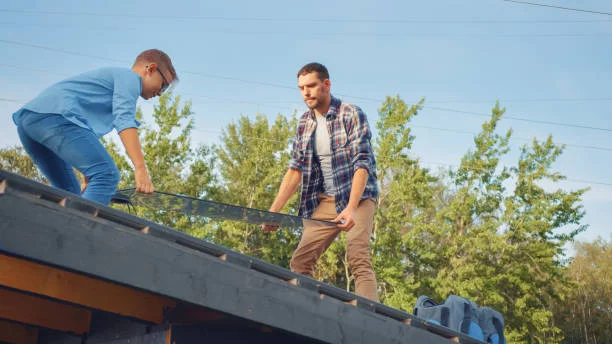
A roof is one of the most important protective features of a home. It shields the interior from rain, wind, sunlight, and changing temperatures while helping maintain the condition of the structure underneath. Like any part of a house, however, a roof will eventually show signs of aging and wear.
Knowing when repairs are enough and when replacement should be considered can be difficult for homeowners. A few damaged shingles do not necessarily mean the entire roof needs to be replaced, but widespread deterioration may indicate that continued repairs are no longer the most practical approach.
Understanding the warning signs can help homeowners plan ahead instead of waiting for a major roofing failure.
Consider the Age of the Roof
One of the first factors to consider is the age of the existing roofing system. Different roofing materials have different expected service lives, and actual performance can vary depending on installation quality, maintenance, weather exposure, and ventilation.
An older roof may continue performing well if it has been properly maintained, while a relatively newer roof can develop problems because of storm damage or installation issues.
Homeowners should keep records of when the roof was installed or last replaced. If that information is unavailable, a professional inspection may help determine the approximate age and condition of the system.
Age alone does not automatically mean replacement is necessary, but it becomes increasingly relevant when combined with other warning signs.
Look for Widespread Shingle Damage
Roofing materials can deteriorate gradually. Shingles may begin curling, cracking, blistering, or losing granules as they age.
A few damaged shingles can often be addressed through localized repairs. However, widespread damage across multiple areas of the roof may indicate that the roofing system is approaching the end of its useful life.
Homeowners should avoid climbing onto the roof to inspect it themselves unless they have the appropriate training and equipment. A professional can safely evaluate the roof and determine whether the damage appears isolated or widespread.
Watch for Persistent Leaks
A single leak does not always mean that an entire roof needs replacement. Leaks can result from damaged flashing, failed sealants, missing shingles, or other localized problems.
Persistent or recurring leaks, however, deserve closer attention. If repairs are repeatedly required in different areas, the roof may have broader deterioration that is difficult to resolve through isolated fixes.
Water damage can also extend beneath the visible roofing materials. Moisture may affect decking, insulation, framing, or interior finishes if the underlying problem is not addressed.
Check for Sagging Areas
A roof should generally maintain a consistent structure and slope. Visible sagging or uneven areas can be a serious warning sign because they may indicate problems with the roof deck or supporting components.
Sagging can be associated with prolonged moisture exposure, structural deterioration, or other underlying issues. It should not be ignored or treated as a purely cosmetic concern.
If a homeowner notices a significant change in the roof’s shape, professional evaluation is important. Determining the cause is necessary before deciding whether repair or replacement is appropriate.
Consider Storm and Weather Damage
Weather can have a significant impact on roofing systems. Strong winds may loosen or remove shingles, while hail and falling debris can damage roofing materials.
Homes in coastal Delaware can also experience seasonal weather conditions that place repeated stress on exterior materials. Even when damage is not immediately obvious, a storm can create vulnerabilities that allow water to enter later.
After significant weather events, homeowners should watch for missing shingles, damaged flashing, debris, leaks, or other changes. A professional inspection can help identify issues that are difficult to see from ground level.
Think About Repeated Repairs
Repairing a roof can be a sensible way to extend its service life when problems are limited. However, repeated repairs over a relatively short period may become a sign that the roofing system is reaching the end of its useful life.
Homeowners should consider the overall condition of the roof rather than looking at each repair separately. If several sections require attention, the costs of continued repairs may need to be compared with the long-term benefits of installing a new system.
This does not mean replacement is automatically the right choice. A professional assessment can help determine whether the existing roof still has sufficient service life to justify continued maintenance.
Understand the Role of Ventilation
Proper attic ventilation is another factor that can influence roof performance. Excess heat and moisture can contribute to problems in certain attic environments and may affect roofing materials over time.
When evaluating an older roof, homeowners may want to ask whether ventilation and insulation are functioning appropriately. A replacement project can provide an opportunity to address underlying conditions that may otherwise affect the new roofing system.
A roof should not be viewed as an isolated component. Its performance can be influenced by the way it interacts with the rest of the building.
Know What a Professional Inspection Can Reveal
A roof inspection can provide information that is difficult to obtain through a visual check from the ground. Professionals can evaluate roofing materials, flashing, penetrations, drainage areas, and other components for signs of deterioration.
The goal of an inspection should not simply be to recommend replacement. A thorough assessment should explain the current condition of the roof and identify potential options.
For homeowners researching professional Roof Replacement in Selbyville, DE for an aging or extensively damaged home, an inspection can help determine whether replacement is actually necessary and what factors should be considered before moving forward.
Compare Roofing Materials Carefully
When replacement is necessary, homeowners have choices regarding materials and system designs. Asphalt shingles are common, but other options may be appropriate depending on the home’s structure, appearance, budget, and local conditions.
Different materials can vary in cost, durability, maintenance requirements, appearance, and installation methods. Homeowners should discuss these differences with qualified roofing professionals rather than selecting a material based solely on price.
The best choice depends on the specific property and the homeowner’s long-term goals.
Plan for the Project
A roof replacement is a significant home improvement project, so planning ahead can make the process easier. Homeowners should request detailed estimates that explain the expected scope of work, materials, labor, removal of existing roofing, and other relevant costs.
It is also important to ask about warranties and understand which aspects of the project they cover.
Before work begins, homeowners should discuss scheduling, property protection, cleanup, and how unexpected conditions will be handled. Clear communication can reduce surprises during the project.
Don’t Wait for a Major Failure
One of the biggest advantages of paying attention to early warning signs is having time to plan. A roof that is visibly deteriorating may eventually develop a serious leak or suffer more extensive storm damage.
Replacing a roof before a major failure does not eliminate every potential problem, but it can allow homeowners to approach the project on their own schedule rather than responding to an emergency.
Planning also gives homeowners more time to research materials, compare qualified professionals, and understand the expected investment.
Making a Practical Roofing Decision
Determining whether a roof needs replacement involves more than looking at its age or the number of damaged shingles. The overall condition, history of repairs, weather exposure, structural integrity, and expected remaining service life should all be considered.
For homeowners in Selbyville, regular inspections and timely maintenance can provide useful information about how their roofs are performing. When signs of widespread deterioration appear, a professional assessment can help clarify whether continued repairs or replacement is the more appropriate path.
A new roof represents a significant investment, but proactive planning can help protect the home and reduce the risk of unexpected problems. By understanding the warning signs and gathering reliable information before making a decision, homeowners can approach roofing projects with greater confidence and a clearer understanding of their property’s needs.