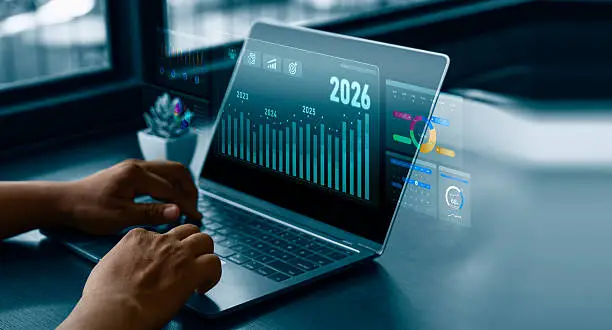
Running a team has never been simple, but the last few years have added new layers of difficulty. People now work from home offices, coworking spaces, client sites and the occasional airport lounge. Managers who once could walk across the floor to check on a project now rely on chat messages and dashboards or Employee monitoring software.
That shift explains why so many businesses are looking closely at employee monitoring and time tracking tools. This article looks at the real challenges employers face, why they turn to these tools, and how to introduce them in a way that builds trust rather than breaking it.
The Visibility Problem in Remote and Hybrid Teams
Hybrid work brings flexibility, and most employees value it. The trade-off is that managers lose the informal signals they used to rely on. You can’t see who is stuck on a task, who is overloaded, or who quietly finished early and is waiting for the next assignment.
Without that visibility, problems surface late. A deadline slips, a client complains, and only then does anyone realise a project was struggling for weeks. Leaders want a clearer picture of how work is actually flowing, not just status updates written at the end of the day.
Productivity Gaps and Time Leakage
Most lost time isn’t the result of laziness. It leaks away through constant context switching, unnecessary meetings, unclear priorities and tools that don’t talk to each other. An hour here and twenty minutes there add up quickly across a whole team.
The hard part is that this leakage is invisible on its own. Employers can sense that output is lower than it should be, but they can’t point to the cause. Research on workplace engagement from Gallup regularly shows that how people feel about their work and their managers has a direct effect on performance, which makes understanding daily work patterns even more valuable.
Payroll Accuracy, Billing and Accountability
For businesses that pay hourly staff or bill clients by the hour, accurate time records are not optional. Manual timesheets are filled in from memory, often at the end of the week, and they tend to be rough estimates.
Errors cut both ways. Underreported hours mean employees are not paid fairly for their effort. Overreported hours mean clients are billed for work that didn’t happen, which can damage relationships. Automated time tracking gives both sides a record they can rely on and reduces awkward disputes later.
Security Risks and Insider Threats
Data is now one of the most valuable things a company owns, and it lives on laptops spread across many locations. Accidental leaks, misused credentials and the occasional deliberate theft of information are real concerns, especially when people use personal networks and devices.
Public guidance such as the CISA insider threat mitigation resources stresses that organisations need ways to detect unusual behaviour early. Activity monitoring can flag risky actions, such as large file transfers or visits to unsafe sites, before they turn into a serious incident.
Compliance, Privacy and Burnout
Employers must balance oversight with respect for privacy. Regulators expect monitoring to be proportionate, necessary and transparent. The UK Information Commissioner’s Office, for example, publishes detailed guidance on monitoring workers that explains what employers should consider before they start.
At the same time, burnout is a growing worry. Remote employees often work longer hours because the line between home and office blurs. Good data can actually protect people here, showing managers when someone is consistently overloaded so the workload can be shared more fairly.
Why Employers Adopt Monitoring and Time Tracking
When you put these challenges together, the reasons for adopting monitoring tools become clear. Most employers are not trying to watch every keystroke. They want answers to practical questions.
- Where is our time really going each week?
- Which projects are profitable, and which are quietly draining resources?
- Are hours and invoices accurate?
- Are we spotting security risks in time?
- Who needs more support, and who is close to burning out?
Used well, these tools replace guesswork with evidence. They help managers coach rather than micromanage, and they give employees a fair record of their contribution.
KeepActive (Previously Kickidler): From Monitoring to Workforce Analytics
The market for these tools has matured, and the strongest products have moved well beyond simple screenshots. A good example of that evolution is KeepActive, the platform previously known as Kickidler, which is widely regarded as one of the more sophisticated solutions available today.
Employee monitoring software is where it began, and it has grown into a broader workforce analytics platform. It combines time tracking, screen activity monitoring and productivity analytics in one place, so managers can see how work is distributed across a team rather than looking at isolated numbers.
Its reports help organisations understand patterns over time: which applications support real work, where attention gets fragmented, and how workloads compare between people and departments. That shift from watching individual sessions to understanding the wider workforce is exactly what makes analytics useful for decision-making, from staffing to process improvement.
How to Roll Out Monitoring Ethically and Transparently
Even the best tool can backfire if it is introduced badly. Trust is the foundation, and it is easy to lose. HR bodies such as SHRM consistently emphasise clear policies and open communication when introducing workplace technology.
- Explain the why. Tell employees what is being tracked, why, and how the data will be used.
- Keep it proportionate. Collect only what you actually need for the stated purpose.
- Put it in writing. Publish a clear policy and make sure it matches local law.
- Share the data. Let people see their own reports so the tool helps them, too.
- Focus on patterns. Use insights to fix processes and workloads, not to punish one bad afternoon.
When employees understand that monitoring protects fair pay, reduces overwork and keeps company data safe, resistance usually fades. Many even welcome a system that shows the effort they put in.
Conclusion
Employers today face a tricky mix of challenges: limited visibility into distributed teams, hidden time leaks, payroll and billing accuracy, security risks, privacy obligations and the steady threat of burnout. Employee monitoring and time tracking tools have become a practical response to all of them.
The most capable platforms, like KeepActive, now go further by turning raw activity into workforce analytics that support better decisions. The key is how you use them. Introduced openly, with clear purpose and respect for privacy, these tools help businesses run more fairly and efficiently while giving employees the recognition and balance they deserve.