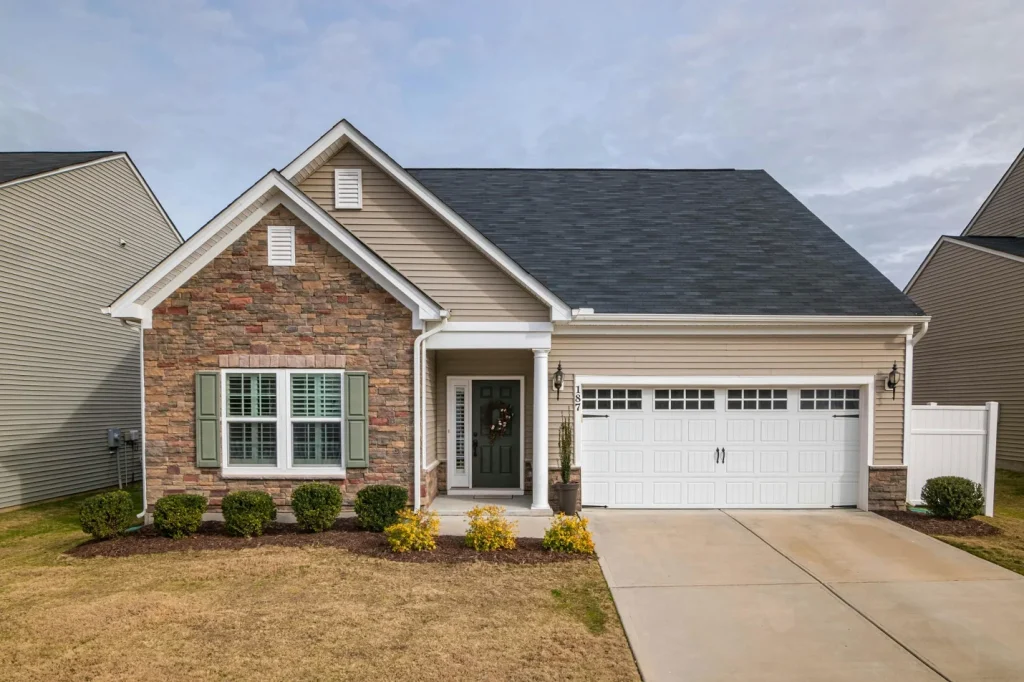
Most exterior damage starts small enough that people ignore it. A rattling siding panel, peeling paint, or a draft near the wall does not seem urgent at first. Then water stains appear after an ordinary storm, and suddenly the problem feels bigger than expected. Homes usually give quiet warnings long before expensive repairs become unavoidable.
In Boulder, changing weather patterns put unusual pressure on home exteriors throughout the year. Strong sun exposure, sudden temperature swings, heavy snow, hailstorms, dry air, and seasonal winds all wear materials down faster than many homeowners expect. Some homes deal with cracking siding after repeated freeze-thaw cycles, while others struggle with fading, moisture damage, or insulation problems caused by constant weather shifts. The outside of a house now takes more punishment than it did years ago, which is why exterior durability matters differently today.
Why Durable Siding Matters More Than It Used To
Home exteriors used to be chosen mostly for appearance, but weather conditions are changing how people think about materials now. Stronger storms, temperature extremes, and heavier seasonal moisture are forcing homeowners to pay closer attention to how exterior systems actually perform over time. Siding is not just decorative anymore. It protects insulation, helps regulate indoor comfort, and acts as one of the first barriers against moisture and structural damage.
A lot of homeowners start noticing these issues after repeated repairs stop solving the bigger problem underneath. Paint fades faster, panels loosen, and small cracks slowly allow moisture behind the surface where damage spreads quietly over time. That is why homeowners today look for a reliable Boulder siding company that can get the job done well, ensuring the exterior stays intact for years to come. Homeowners are trying to improve long-term protection instead of constantly patching the same issues every few seasons.
Weather Is Harder on Homes Than People Realize
Most damage builds slowly instead of appearing after one major storm. Sunlight weakens materials over time, moisture slips into tiny gaps around seams, and wind keeps pushing debris against siding year after year. Temperature changes make things worse because materials constantly expand in heat and tighten during cold weather. Eventually, small cracks form, panels loosen slightly, and water begins reaching areas that were supposed to stay protected.
People usually focus on roofing after bad weather, but siding, trim, windows, and doors absorb pressure too. Exterior systems depend on each other more than homeowners realize. Once one section weakens, nearby areas often begin wearing down faster as well.
Energy Efficiency Starts Outside
Many homeowners notice higher heating or cooling bills long before they notice visible exterior damage. Drafts near walls, aging siding, and weakened insulation allow outside temperatures to affect the house more easily, forcing HVAC systems to run harder throughout the year. Older siding materials especially lose performance gradually as moisture and small gaps start affecting the layers underneath.
Some rooms begin feeling colder in winter or warmer during summer, even when the thermostat settings stay the same. That is why more homeowners now pay attention to how exterior materials affect comfort and energy use, not just appearance. Durable siding has become part of long-term efficiency planning instead of purely cosmetic renovation work.
Moisture Damage Usually Stays Hidden at First
Moisture damage becomes expensive partly because it stays hidden for so long. Water can slip behind siding through tiny cracks, loose flashing, worn caulking, or damaged seams without creating obvious signs right away. By the time stains, mold, or warped walls appear indoors, the damage underneath has often been spreading quietly for months.
Damp areas trapped behind exterior materials slowly weaken wood, insulation, and structural support over time. Even newer homes are not automatically protected from these problems. Poor installation, neglected maintenance, or small exterior weaknesses can shorten the lifespan of modern materials much faster than homeowners expect, especially after repeated storms and seasonal moisture exposure.
Maintenance Habits Are Changing
Homeowners are becoming more proactive about exterior maintenance because the weather feels less predictable now than it did years ago. Instead of waiting for major leaks or visible storm damage, many inspect siding, gutters, roofs, and drainage systems earlier to catch smaller problems before repairs become expensive. Insurance costs have pushed that shift too, since weather-related claims can spread damage across multiple parts of a home surprisingly fast.
People also research materials differently now. Online reviews, weather ratings, and renovation videos make homeowners more aware of how products actually perform over time. Exterior upgrades are increasingly viewed as long-term protection rather than cosmetic improvements meant only to improve appearance.
Curb Appeal Still Matters, But Function Matters More
Appearance still matters to homeowners, obviously, but durability carries more importance now than it used to. A house can look perfectly fine from the street while moisture damage, weak insulation, or small structural issues continue spreading underneath aging siding. That hidden damage catches people off guard more often than they expect.
Buyers pay closer attention to exterior condition now, too, because weather-related repairs have become expensive almost everywhere. Material quality, maintenance history, and long-term durability affect resale value more directly than cosmetic upgrades alone. Many homeowners now view exterior improvements as protection for comfort, energy efficiency, and future repair costs rather than simply improving curb appeal.
Exterior Protection Affects Daily Comfort Too
People usually think about exterior materials only when repairs become necessary, but the outside of a home affects daily comfort all the time. Good insulation keeps rooms quieter, temperatures steadier, and drafts less noticeable during weather changes. Heating and cooling systems also run more smoothly when siding and exterior barriers are still doing their job properly. Most homeowners simply notice the house feels more stable overall without immediately realizing why.
That matters more now because homes deal with stronger storms, heavier moisture, and wider temperature swings than before. Exterior materials absorb constant pressure from sunlight, wind, rain, and cold weather every day. Damage usually builds quietly underneath until one visible problem finally appears, and by then the issue often reaches further than people originally assumed.
Caught your eye? Here’s what to read next at 2A Magazine.