Should you choose an Invisalign provider or traditional braces? The right answer depends on your dental needs, lifestyle, and how complex your case is. Invisalign uses removable clear aligners ideal for mild to moderate issues, while traditional braces handle more complex alignment problems with fixed, continuous pressure. Both can deliver a healthier, straighter smile.
Invisalign Provider vs. Traditional Braces: Which Is Right for You?
Maybe you’re heading into a new chapter, a graduation, a wedding, a milestone birthday, and you’ve decided it’s finally time to do something about your smile. Or maybe you’ve just been thinking about it for years and you’re ready to take that first step. Either way, one of the first questions people ask is: should I see an Invisalign provider or go with traditional braces?
It’s a fair question, and the answer depends on more than just appearance. Both options can deliver a straighter, healthier smile, but they work differently and suit different needs. At Great Expressions Dental Center, we want you to feel confident walking into that conversation with your dentist. Here’s a clear, honest breakdown to help you weigh your options.
Key Takeaways
Both Invisalign and traditional braces can effectively straighten teeth, but they work in very different ways. Invisalign aligners are removable and nearly invisible, making them popular among teens and adults. Traditional braces may be more effective for complex alignment issues and don’t rely on patient compliance. Cost and treatment time vary based on your specific dental needs and chosen method. A consultation with a qualified Invisalign provider is the best way to find out which option fits your situation.
What Is Orthodontic Teeth Straightening?
Orthodontic teeth straightening is the process of gradually moving teeth into proper alignment using consistent, controlled pressure over time. The two most common methods are clear aligner therapy, like Invisalign, and fixed metal braces. Both approaches shift teeth and improve bite function, though they use very different mechanics to get there.
Straighter teeth aren’t just about looks. Properly aligned teeth are easier to clean, which can reduce the risk of cavities, gum disease, and uneven wear. Whether you’re dealing with crowding, spacing, or a misaligned bite, straightening treatment at Great Expressions Dental Center addresses both the cosmetic and the functional side of your oral health.
How Invisalign and Traditional Braces Work Differently
How Does Invisalign Work?
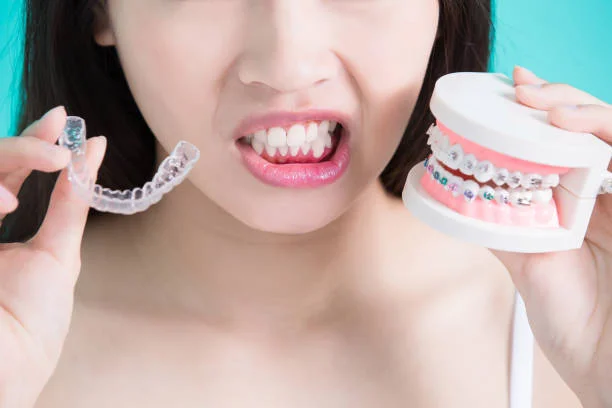
Invisalign uses a series of custom-made, clear plastic aligners that fit snugly over your teeth. You switch to a new set every one to two weeks, and each tray gently nudges your teeth a little closer to their target position. The aligners are removable, so you take them out to eat, drink, brush, and floss.
Treatment is mapped out digitally before it starts, so you can actually see a projected outcome before committing. An experienced Invisalign provider will use 3D imaging to create a customized plan designed specifically for your teeth and bite.
How Do Traditional Braces Work?
Traditional braces use metal brackets bonded directly to your teeth, connected by a wire that your dentist tightens at regular visits. The tension in the wire is what moves your teeth. Unlike aligners, braces stay on 24/7 and can’t be removed between appointments.
Because braces are fixed, they’re excellent for handling more complex alignment issues. They work continuously without depending on you to wear them consistently, which is one reason they remain a go-to choice for younger patients or more complicated cases.
Invisalign Provider vs. Braces: Side-by-Side Comparison
Here’s a quick look at how the two options stack up across the factors patients care about most:
Visibility: Invisalign aligners are nearly invisible. Traditional braces are noticeable, though ceramic options can blend in better.
Comfort: Aligners tend to cause less irritation to soft tissue. Braces can cause soreness after tightening and may poke or rub.
Eating Restrictions: With Invisalign, you remove the trays to eat, so there are no food limitations. Braces require you to avoid hard, sticky, or chewy foods.
Oral Hygiene: Invisalign makes brushing and flossing much simpler. Braces require extra effort to clean around brackets and wires.
Compliance: Aligners need to be worn 20 to 22 hours a day. Results depend on how consistently you follow through. Braces work automatically.
Complexity: Braces are often better suited for severe crowding, significant bite problems, or cases requiring precise tooth rotation.
Cost: Both options have a similar price range on average, but final cost varies based on treatment length and your specific needs.
The team at Great Expressions Dental Center will walk you through these factors during your consultation and help you understand which option is the better fit for your goals.
Who Is a Good Candidate for Each Option?
Not everyone is the right fit for clear aligners. Your dentist will evaluate the complexity of your case, your lifestyle, and your commitment level before making a recommendation.
You may be a great candidate for an Invisalign provider if you have mild to moderate crowding, spacing, or bite issues; if you are a responsible adult or teen who will wear aligners as directed; if you want the flexibility to remove your trays for social events or meals; or if you prefer a discreet treatment that doesn’t affect your appearance during the process.
Traditional braces might be the better choice if you have more severe alignment issues or complex bite problems; if you prefer a treatment that works constantly without requiring daily management; if you are a younger patient still developing teeth and jaw structure; or if you’ve had prior orthodontic treatment that requires careful repositioning.
Great Expressions Dental Center offers thorough evaluations to help patients in all situations figure out the path that makes the most sense for their smile and their life.
What to Expect for Treatment Time and Cost
Treatment timelines can vary quite a bit depending on the complexity of your case. On average, Invisalign takes anywhere from 6 to 18 months. Traditional braces typically require 18 months to 3 years. Some patients see results faster; others need longer treatment windows.
Cost is another area where the two options are closer than most people expect. Both Invisalign and braces can range from around $3,000 to $8,000 or more, depending on the provider, location, and treatment complexity. Many dental plans include orthodontic benefits that apply to both options, and flexible payment plans are commonly available.
The best way to know what your treatment will cost and how long it will take is to come in for a consultation. At Great Expressions Dental Center, we review your specific needs, not a generic estimate.
When Should You Talk to a Dentist About Straightening?
There’s no single right age to start thinking about teeth straightening. Adults in their 30s, 40s, and beyond pursue treatment every day, and teens are excellent candidates too. The key is finding the right time for you, not following a timeline set by someone else.
It’s worth scheduling a consultation if you notice crowding, gaps, or shifting teeth; if you’re having trouble cleaning certain areas due to tooth position; if your bite causes discomfort, jaw tension, or uneven wear; or if you’ve simply wanted a straighter smile for a long time and you’re ready to act on it.
Don’t wait for a problem to escalate. Early evaluation often means simpler treatment. The team at Great Expressions Dental Center is ready to answer your questions and give you a clear picture of your options from day one.
Frequently Asked Questions
Is Invisalign as effective as traditional braces?
For mild to moderate alignment issues, Invisalign is just as effective as braces. For more complex cases, traditional braces may offer more precise control. Your dentist will let you know which option is better suited to your specific situation.
Can adults get Invisalign?
Absolutely. Invisalign is one of the most popular choices among adult patients precisely because the aligners are discreet and easy to manage around a busy lifestyle. There’s no age limit for treatment.
How long does Invisalign treatment take?
Most patients complete Invisalign treatment in 6 to 18 months, though simpler cases can finish sooner. Your Invisalign provider will give you a more specific estimate after reviewing your dental records and treatment goals.
Does insurance cover Invisalign or braces?
Many dental insurance plans include orthodontic benefits that apply to both Invisalign and traditional braces. Coverage varies, so it’s best to check with your plan directly. Great Expressions Dental Center can also help you understand your benefits and financing options.
What happens if I don’t wear my Invisalign aligners enough?
Aligners need to be worn 20 to 22 hours per day to stay on track. Wearing them less than recommended can slow your progress or affect your results. If consistency is a concern, your dentist may discuss whether traditional braces are a better fit.
Your Straighter Smile Starts Here
Choosing between Invisalign and traditional braces comes down to your dental needs, your daily life, and what matters most to you in a treatment experience. Both paths can give you a healthier, straighter smile, and neither is a one-size-fits-all solution. At Great Expressions Dental Center, our team takes the time to understand your goals before recommending a treatment plan. Your smile deserves a real conversation, not a rushed decision. Schedule your consultation today and let us help you find the teeth-straightening option that fits your life.