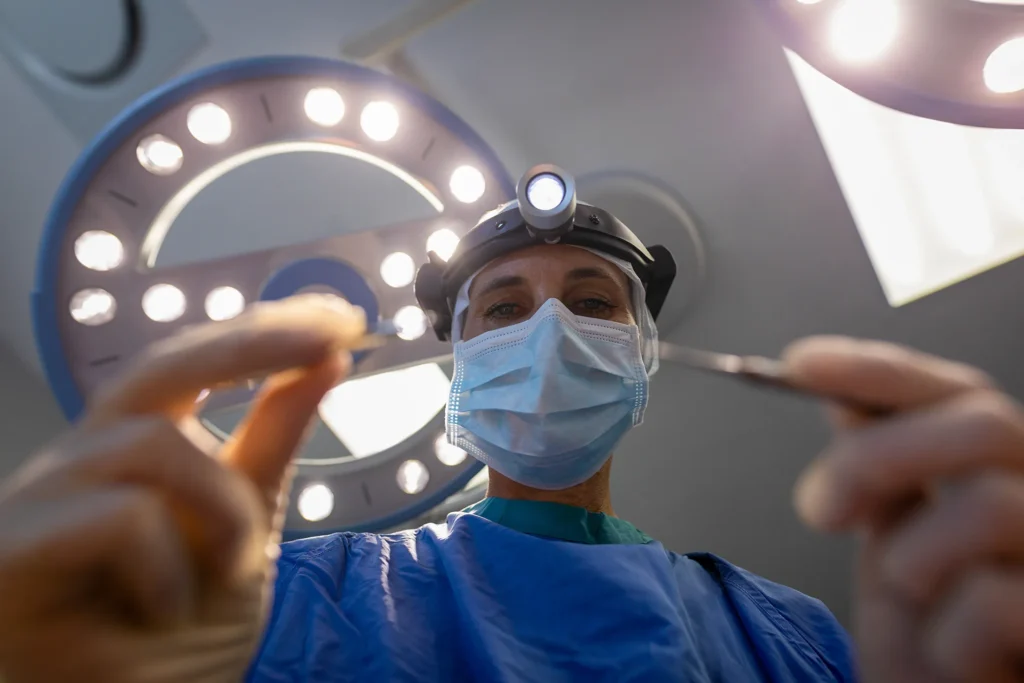
Cosmetic procedures have changed a lot in the last twenty years. In the past, doctors mostly used traditional surgery. Now they use robotics, wearable technology, and other tools.
These new tools help patients understand what may happen. They can also help people heal faster and help doctors work more carefully. Technology does not replace a doctor’s skill. It supports it. This article looks at how technology is changing cosmetic care from the first visit to recovery.
Digital Imaging and Virtual Consultations
Cosmetic consultations used to rely heavily on photographs and verbal descriptions. Many offices now use three-dimensional imaging systems that create a digital model of the body. A patient can see a simulation of how a procedure might change their shape.
Virtual consultations allow people to speak with a surgeon from home before scheduling an in-person visit. For patients who live far from a clinic, this can reduce travel and make the first step less stressful. The technology gives both patient and surgeon a clearer starting point.
Body Contouring and Patient-Specific Technology
Body contouring has been transformed by tools that adapt to each person’s unique shape. To get detailed information about the patient’s anatomy, surgeons use high-definition ultrasound, 3D photography, and tissue mapping. Patients looking for tummy tuck surgery options may want to look for a professional who uses a range of technology-enhanced approaches. These tools help the surgeon tailor the operation to the individual rather than using a one-size-fits-all method.
Some patients benefit from muscle repair with minimal skin removal, and others need more extensive skin redraping. The ability to visualize and measure these differences before surgery supports more customized outcomes.
Artificial Intelligence in Treatment Planning
AI software can analyze images and medical data to detect patterns that the human eye might miss, including:
- Skin thickness
- Muscle position
- Areas of asymmetry
Surgeons can use this information to choose a technique that fits the patient’s body. AI does not make decisions on its own, and it cannot replace clinical experience. Instead, it works as a support tool. Data-driven planning is pointing toward more personalized care.
Lasers and Other Energy Tools
Energy-based tools have expanded what cosmetic medicine can offer. Lasers can resurface skin, reduce scars, and treat discoloration. Ultrasound and radiofrequency devices can heat deeper tissue to encourage collagen production and mild skin tightening. These treatments involve little or no downtime.
For body contouring patients, non-invasive devices may reduce small pockets of fat or improve skin texture. Understand what a device can and cannot do. A proper evaluation determines whether an energy-based treatment or a surgical option is more appropriate.
Robotics and Computer-Assisted Surgery
Robotic systems are more common in cosmetic and reconstructive surgery. The surgeon controls robotic arms from a console, which can filter out small hand tremors and allow precise movements. Cameras provide a magnified view of the surgical area.
The robot does not perform surgery by itself. The surgeon’s skill and judgment remain the most important factors. For some body procedures, robotics may offer more consistent incisions or reduce tissue damage. Not every cosmetic procedure requires robotics.
Tracking Recovery with Wearable Devices
Recovery has become more high-tech. Wearable sensors and smartphone apps can track heart rate, movement, sleep, and even wound healing. Some patients receive digital checklists for medication, compression garments, and activity limits. Remote monitoring lets the care team notice potential problems early.
Patients may find that digital monitoring helps them follow post-operative instructions more closely. This can reduce anxiety and support safer healing. Technology adds another layer of communication between patient and provider during the weeks after a procedure.
Regenerative Medicine and Biologic Support
Regenerative medicine uses the body’s own cells and growth factors to support healing. Platelet-rich plasma is made from a patient’s blood and may be applied to treated areas to encourage tissue repair. Some surgeons use it with fat grafting or skin treatments. Stem cell research is also advancing, though many applications are still experimental.
Biologic tools may improve healing and reduce inflammation. Many patients ask themselves about the evidence behind any treatment. Not every regenerative therapy has strong clinical proof. As research grows, this area may offer new ways to support recovery and improve the quality of skin and soft tissue.
Online Information and Patient Education
The internet gives patients more access to information and creates new challenges. Social media, review sites, and forums can be helpful, yet they can also spread misleading claims. Patients may see heavily edited photos or hear about trends that are not right for their body.
Learning how to evaluate sources is a must-have skill. A reliable clinic website or a board-certified surgeon’s published material can be a good place to start. When in doubt, patients should ask direct questions during a consultation. Technology should never be a substitute for a thorough conversation with a qualified professional.
Safety and Surgeon Expertise
As technology advances, safety standards must keep up. New devices and software need proper testing and approval. Patients should understand that a high-tech tool does not automatically mean a better outcome. The person using the tool matters more. Board certification, hospital privileges, and experience with a specific procedure are still key factors.
A careful surgeon will know when a new technology is useful and when traditional methods are safer. Regulation will guarantee that devices meet basic standards. Patients should feel comfortable asking about a surgeon’s training and complication rates.
The Future of Cosmetic Technology
Cosmetic procedures will become even more personalized. AI may combine genetic, lifestyle, and anatomical data to predict how a patient will heal. Augmented reality could let patients preview results in real time during a consultation. Biologic materials may reduce scarring and speed recovery.
Ethical questions about privacy, data use, and unrealistic expectations will need more attention. The best future is one where technology supports human judgment. Patients who choose qualified providers will be in the strongest position to benefit from these changes.
Balancing Technology With Expert Medical Care
Technology is changing cosmetic procedures in many helpful ways. Digital imaging, AI planning, and better recovery monitoring are just a few examples. But these tools do not replace a skilled surgeon.
New devices and software can improve safety, planning, and follow-up care. Still, patients should choose a provider with experience and proper credentials. The best results will come from combining smart technology with medical judgment. Want to learn about similar topics? Visit our website.