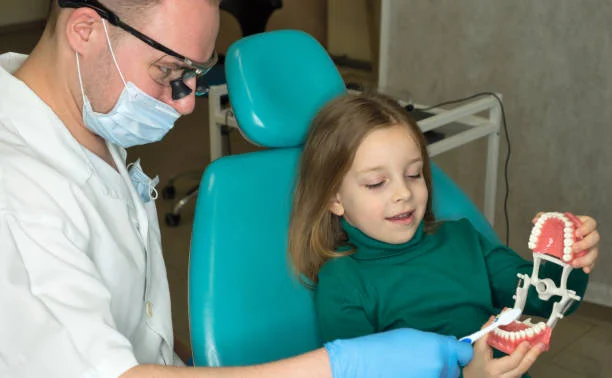
Picture this: your child just lost their first tooth, and the tooth fairy is on standby. It is a small milestone, but also a reminder that their smile is changing fast and needs steady care. So how often should kids go to the dentist to keep that smile on track? For most children, the answer is a checkup every six months, though some need to be seen more often depending on individual risk factors.
Below, we will walk through the standard visit schedule, the factors that call for more frequent visits, and the warning signs that mean you should not wait for the next appointment.
Key Takeaways
- Most kids should see a dentist every six months for a routine checkup and cleaning.
- Some children need more frequent visits due to cavity risk, braces, or medical conditions.
- Regular checkups catch problems early, even when there are no visible symptoms.
- Certain signs, like a swollen jaw or persistent tooth pain, mean you shouldn’t wait for the next appointment.
- Visit frequency can shift as your child grows, from their first tooth through the teenage years.
Recommended Pediatric Dental Checkup Schedules
The standard dental checkup schedule for kids is one visit every six months, starting around their first birthday or when their first tooth appears. This twice-a-year rhythm gives the dentist enough time to track growth and catch small issues before they turn into bigger ones.
Six-month visits are not just about cleanings. Each appointment typically includes:
- A visual exam of teeth, gums, and bite alignment
- A professional cleaning to remove plaque and tartar
- X-rays when needed to check for hidden decay
- A fluoride treatment to strengthen enamel
- A quick conversation about brushing, flossing, and diet habits
This schedule lines up with guidance from the American Academy of Pediatric Dentistry, which recommends a default interval of six months for kids with typical development, while noting that some children benefit from more frequent care. If you are wondering when pediatric dental visits should start, most experts suggest scheduling that first visit by your child’s first birthday, not waiting until kindergarten.
Factors That Increase Dental Visit Frequency for Children
Some kids need to see the dentist more often than every six months, sometimes as frequently as every three months. This usually comes down to individual risk factors rather than age alone.
Common reasons a dentist might recommend more frequent visits include:
- A history of cavities or ongoing tooth decay
- Braces or other orthodontic appliances that trap food and plaque
- A diet high in sugary snacks or drinks
- Dry mouth caused by certain medications
- Conditions like diabetes that affect gum health
- Difficulty maintaining consistent brushing and flossing at home
If your child falls into one of these categories, the dentist will typically walk you through a personalized plan rather than a one-size-fits-all timeline. So how often should kids go to the dentist when risk factors are in play? Sometimes every three months, until the risk settles down.
Why Routine Preventive Care Matters for Kids
Regular dental cleanings for kids matter even when nothing seems wrong, because tooth decay and gum problems often develop silently. A cavity can grow for months before it causes any pain a child would notice.
Kids rarely complain about early-stage dental issues the way adults do. A tiny cavity between two back teeth might not hurt at all until it reaches the nerve, by which point a simple filling has turned into a much bigger procedure.
Routine visits also let the dentist track how permanent teeth are coming in, whether the bite is developing normally, and if any orthodontic concerns are on the horizon. Skipping visits because your child seems fine is one of the most common reasons preventable problems go unnoticed until they become painful, which is why families throughout Lafayette, LA keep their checkups on the calendar.
Warning Signs Your Child Needs Prompt Dental Care
Certain warning signs mean your child needs to see a dentist right away, rather than waiting for their next scheduled cleaning. Pain is the clearest signal, but it is not the only one.
Call your dentist promptly if you notice any of the following:
- Complaints of tooth pain that last more than a day
- Swelling in the face, gums, or jaw
- A tooth that is visibly cracked, chipped, or knocked loose
- Dark spots or holes visible on a tooth
- Bleeding gums that don’t improve with better brushing
- A bad taste or odor that doesn’t go away
These signs can point to infection, decay, or injury that needs prompt attention. Waiting a few months can turn a straightforward fix into a more involved treatment, so it’s worth calling rather than waiting it out.
How Dental Care Needs Evolve as Children Grow
Dental visit frequency generally stays close to every six months throughout childhood, but the focus of each visit shifts as kids get older.
- Infants and toddlers (birth to age 3): Early visits focus on healthy teething, proper brushing technique, and preventing early childhood cavities from bottle or sippy cup habits.
- Young children (ages 4 to 6): As primary teeth fill in, dentists watch for spacing issues, thumb-sucking effects, and the first signs of permanent teeth developing underneath.
- School-age children (ages 7 to 12): This stage often involves sealants on molars, monitoring for orthodontic needs, and reinforcing independent brushing habits as kids take on more responsibility.
- Teenagers (ages 13 to 18): Wisdom teeth, sports-related injuries, and orthodontic follow-ups become more common topics, alongside ongoing prevention.
That steady six-month rhythm remains the backbone of good care through every stage, even as the specific concerns evolve.
Simple Tips for Managing Your Family Dental Calendar
Parents can keep dental visits on schedule by booking the next appointment before leaving the office and building reminders into routines they already use. A little structure goes a long way with busy family calendars.
A few practical habits that help:
- Schedule the next checkup at the end of each visit, rather than waiting to call later.
- Set a recurring reminder on your phone or family calendar app.
- Pair dental visits with another seasonal routine, like the start of school or a birthday month.
- Ask the front desk about text or email reminders, which many offices offer to patients.
Pro tip: booking the next cleaning right after a haircut or school checkup makes it easier to remember.
Frequently Asked Questions
- How often should kids go to the dentist if they have no cavities? Even cavity-free kids should stick to a checkup every six months. Cleanings remove plaque buildup that brushing alone can miss, and the exam catches issues before they become visible.
- When should a child see a pediatric dentist for the first time? Most dentists recommend a first visit by age one or within six months of the first tooth appearing, whichever comes first.
- Do teenagers need dental checkups as often as younger kids? Yes, teenagers generally continue with checkups every six months, especially since wisdom teeth and orthodontic needs often surface during these years.
- Can my child skip a cleaning if their teeth look fine? It’s not recommended. Many dental problems aren’t visible to parents, and skipping cleanings lets plaque and tartar build up in ways that are harder to reverse later.
Protect Your Child’s Smile with Routine Care
Routine visits every six months do more than clean teeth: they build lifelong confidence and catch developmental concerns before they turn into bigger issues. Whether your child has a full set of primary teeth or is adjusting to new braces, a consistent checkup schedule keeps their oral health on track.
Your child’s comfort and healthy development are our top priorities. As a trusted pediatric dentist in Lafayette, LA, Taylor Dental, located near Parkway Plaza on NW Evangeline Thruway, welcomes families throughout the area for routine checkups, cleanings, and everything in between. Call the clinic today to book an appointment and keep your child’s smile on track.