Earning a swim instructor certification opens the door to a wide range of professional opportunities in aquatic education, safety training, and programme development. With the right qualifications, instructors can work in varied environments, develop specialised skills, and contribute meaningfully to both recreational and competitive swimming sectors. In order to find reputable programmes that meet industry requirements and career objectives, many prospective professionals also research the best swim instructor certification in Singapore. The career paths available extend well beyond basic swim teaching, offering flexibility, advancement potential, and long-term professional growth.
Private Swim Instruction
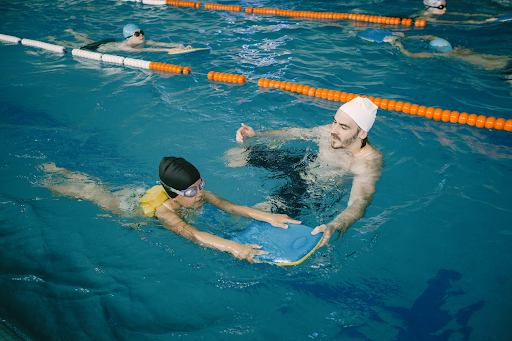
Private swim instruction is one of the most flexible and immediately accessible career paths for certified instructors. In this role, instructors provide one-on-one or small group lessons tailored to individual needs, learning speeds, and personal goals. This format is especially popular among parents seeking focused attention for children, as well as adults who prefer a comfortable and customised learning environment.
Unlike structured group lessons, private instruction allows greater control over scheduling and teaching style. Instructors can design personalised lesson plans that target specific skills such as water confidence, stroke improvement, or endurance building. Because of the individualised nature of the service, private lessons often command higher rates, making this an attractive option for those seeking both autonomy and income potential.
Employment in Swim Schools
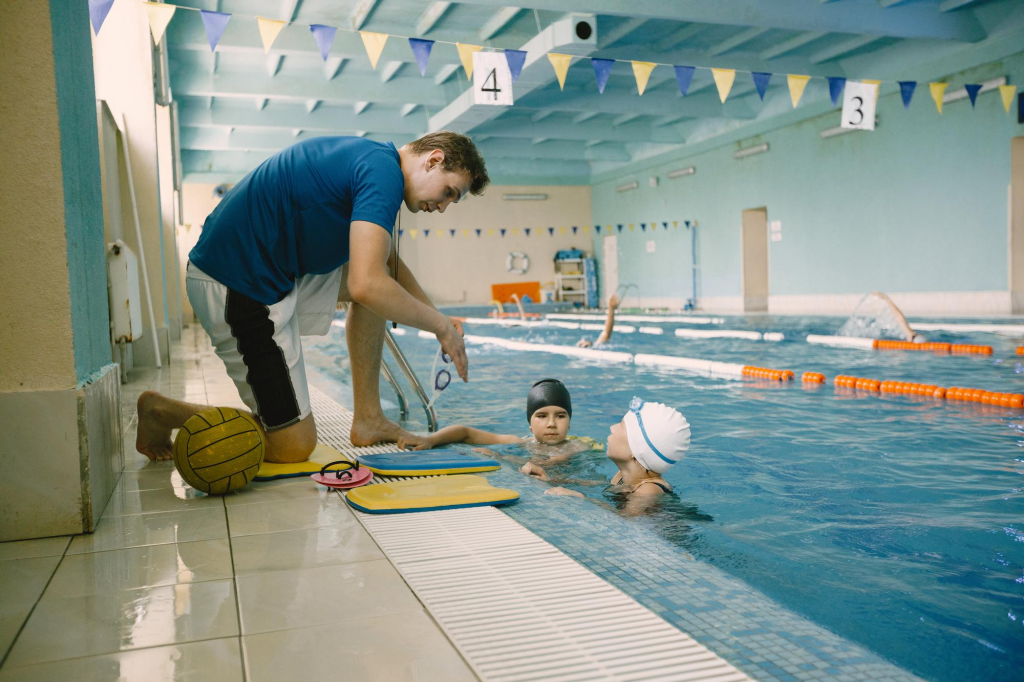
Another common career pathway is working within established swim schools. These institutions provide structured programmes that cater to a broad range of learners, from infants and beginners to advanced swimmers. Employment in this setting offers stability, consistent student flow, and access to established teaching systems.
Swim schools often provide internal training, mentorship, and professional development opportunities. This support helps instructors refine their teaching methods and improve class management skills. In addition, working within a reputable swim school can enhance an instructor’s credibility and provide a clear pathway for career progression into supervisory or managerial roles.
Competitive Swimming Coaching
For those with a strong interest in sports performance, coaching competitive swimmers offers a challenging and rewarding career direction. Swim club coaching focuses on refining advanced techniques, improving race strategies, and enhancing physical conditioning.
Coaches work closely with athletes to analyse stroke efficiency, build training programmes, and prepare them for competitions. This role requires a deep understanding of biomechanics, endurance training, and mental preparation. Continuous learning is essential, as coaching methodologies evolve with advancements in sports science. Successful coaches often play a key role in helping athletes achieve personal records and competitive success.
Water Safety Education
Swim instructors also play a critical role in water safety education. This involves teaching essential survival skills and preventive measures to reduce the risk of drowning and aquatic accidents. Programmes are often conducted in schools, community centres, and public aquatic facilities.
Instructors in this field teach a combination of swimming techniques and safety knowledge, including basic rescue methods, CPR, and emergency response procedures. The focus is not only on developing swimming ability but also on ensuring individuals understand how to behave safely in and around water. This work has a strong public service component and contributes significantly to community well-being.
Aquatic Programmes in Public Facilities
Public leisure centres and community pools frequently employ certified instructors to develop and run aquatic programmes. These programmes are designed for a wide range of participants, including seniors, young children, and individuals with physical or developmental disabilities.
Such programmes often emphasise fitness, rehabilitation, and recreational enjoyment. Instructors may design water aerobics classes, beginner swim courses, or therapeutic aquatic sessions. This role requires adaptability and creativity, as instructors must adjust activities to meet the needs of diverse groups while maintaining engagement and safety.
International Teaching Opportunities
A swim instructor certification can also provide access to international employment opportunities. Many countries and resort destinations seek qualified instructors to support their swimming education programmes. Positions may be found in luxury resorts, international schools, sports clubs, and expatriate communities.
Teaching abroad allows instructors to gain valuable cross-cultural experience while working in different aquatic environments. It also broadens professional exposure to global teaching practices and safety standards. For many instructors, this path combines career development with travel and cultural exploration.
Lifeguard Training Roles
Some instructors choose to specialise further by becoming lifeguard trainers. In this role, they are responsible for preparing individuals to respond effectively to aquatic emergencies. Training includes rescue techniques, surveillance skills, first aid, and risk assessment.
Lifeguard training is a critical component of water safety infrastructure. Instructors in this field contribute directly to reducing drowning incidents by ensuring that lifeguards are well-prepared, confident, and capable of handling emergencies in real-world situations.
Online Swim Instruction
With the growth of digital education, swim instructors have also begun offering online-based instruction. While swimming itself requires physical practice, online platforms can be used to deliver theoretical lessons, technique breakdowns, and training plans.
Instructors may guide students through dryland exercises, mobility training, and stroke analysis using video feedback. This approach supports learners between pool sessions and helps reinforce proper technique and conditioning. Online instruction also provides flexibility for both instructors and students, expanding access to swim education.
Specialised Swim Training
Specialisation allows instructors to develop expertise in niche areas of swimming. These may include triathlon swim coaching, open water swimming, or adaptive aquatics for individuals with disabilities. Each specialisation requires additional knowledge and often further certification.
Specialised instructors are highly valued due to their ability to address specific performance or accessibility needs. This career path often leads to opportunities in competitive sports, rehabilitation programmes, or elite training environments.
Professional Development and Advancement
Continuous education is essential in the aquatics field, where safety standards and teaching methods are constantly evolving. Instructors may pursue advanced certifications, diplomas, or degrees in sports science, physical education, or aquatics management.
With further education and experience, instructors may progress into leadership positions such as aquatics directors, programme coordinators, or curriculum developers. These roles involve overseeing training programmes, managing staff, and shaping the direction of aquatic education within organisations.
Commercial and Corporate Opportunities
Beyond teaching and coaching, swim instructors may also apply their expertise in commercial and corporate settings. Some contribute to the design and development of swim equipment, training tools, or safety technologies. Others may consult on pool design, safety regulations, and facility management.
Entrepreneurial instructors may establish their own swim schools or aquatic businesses, combining teaching expertise with business development. This path allows for greater independence and the opportunity to build long-term professional ventures within the industry.
Conclusion
A swim instructor certification provides access to a broad and versatile range of career paths. From private instruction and competitive coaching to safety education, international work, and commercial roles, the opportunities extend far beyond traditional teaching. The profession supports continuous learning, adaptability, and personal growth while allowing instructors to make a meaningful impact on water safety, fitness, and skill development across diverse communities.
Tired of the surface level? Choose your own path to mastery here at 2A Magazine.