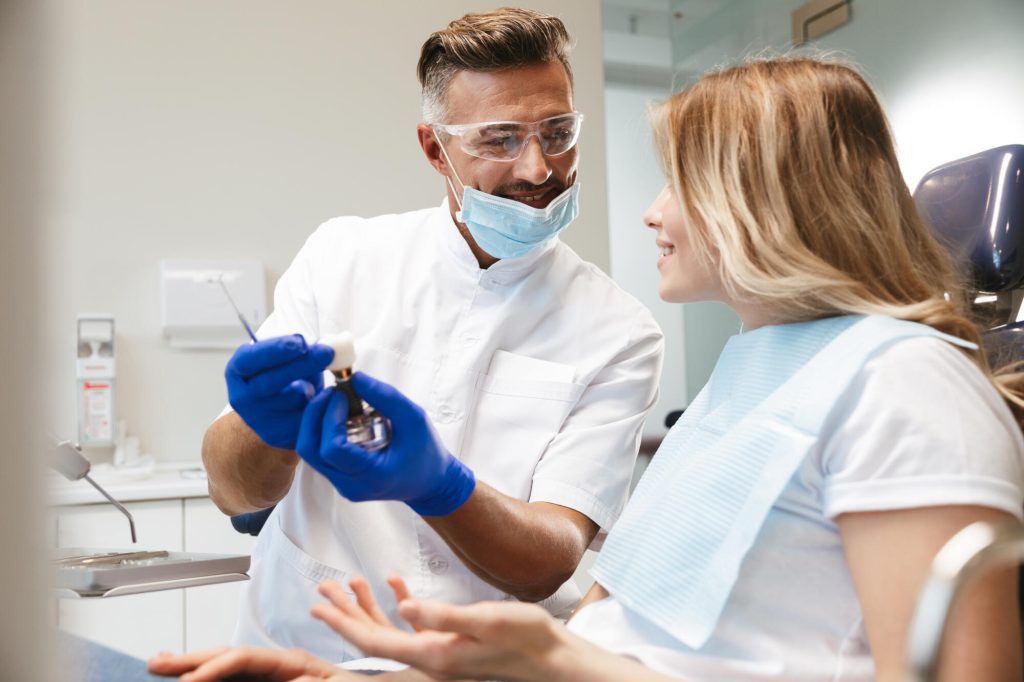
Do you want your dental implant to stay strong and healthy for many years? Dental implants can improve your smile and help you eat better every day.
They look natural and feel comfortable in the mouth. Good care is very important after getting implants. Start following healthy habits and protect your smile for the future.
Brush Your Teeth Every Day
Daily brushing is one of the most important steps for implant maintenance. Brush your teeth at least two times each day. Use a soft toothbrush because it is gentle on the gums. Hard brushes may irritate the area around the implant. Choose toothpaste that is non-abrasive.
Some rough toothpaste products can scratch the implant surface. Brush slowly and clean every side of the implant crown. Good brushing removes food and plaque from the mouth. Cleaning the tongue can also help reduce bacteria. A clean mouth lowers the risk of gum disease and bad breath. Electric toothbrushes may also help improve cleaning results.
Gentle brushing around the gum line keeps the area healthier and fresher. Brushing after meals can provide extra cleanliness during the day. Consistent brushing also helps maintain a brighter smile.
Floss Around the Implant Carefully
Flossing helps clean spaces that a toothbrush cannot reach. Food particles and plaque often stay between teeth and implants. If not removed, bacteria can grow and cause gum problems. Daily flossing keeps the implant area cleaner and healthier. Special implant floss or water flossers can also help. These tools clean gently around the gums.
Many dentists suggest using them for better results. Proper flossing is a simple way to support long-term implant health. People who floss daily often experience healthier gums. Consistent cleaning habits can improve overall oral comfort. Flossing before bedtime may help reduce bacteria overnight.
Taking a few extra minutes each day can protect implants from future issues. Water flossers are also useful for people with sensitive gums. Proper flossing may help reduce swelling and irritation around implants.
Use Mouthwash for Extra Protection
Mouthwash helps reduce bacteria inside the mouth. It can freshen breath and support healthy gums. Alcohol-free mouthwash is usually the best choice for implant users. Strong alcohol products may dry the mouth and irritate soft tissue.
Rinse your mouth after brushing and flossing. This step gives extra cleaning support during the day. Mouthwash cannot replace brushing, but it adds more protection. Healthy gums help implants stay stable and secure. Some mouthwash products also help reduce plaque buildup. Using mouthwash before bed may support overnight freshness.
Fresh breath can also improve confidence during conversations. Regular rinsing can make the mouth feel cleaner throughout the day. Gentle mouthwash products may also soothe irritated gums. Healthy oral tissue provides better support for implants.
Visit Your Dentist Regularly
Regular dental visits are very important for implant maintenance. Dentists can check if the implant is healthy and stable. They can also clean areas that are hard to reach at home. Professional cleaning helps prevent gum disease. Most dentists recommend checkups every six months. Some people may need more visits depending on their oral health.
During the appointment, the dentist checks the gums, bone, and implant crown. Early treatment can stop small problems from becoming serious. X-rays may also be used to check bone support around the implant. Routine visits can save money by preventing larger dental treatments later.
Professional advice can help improve your home care routine. Regular monitoring helps keep implants strong and secure for many years. Dental cleanings can also remove hardened plaque that brushing cannot remove. Patients who attend regular appointments often maintain healthier smiles.
Eat Foods That Support Oral Health
Healthy food choices help protect dental implants. Crunchy fruits and vegetables can help clean teeth naturally. Calcium-rich foods support strong bones and gums. Drinking enough water also keeps the mouth fresh and clean. Try to avoid very sticky or hard foods. Ice, hard candy, and similar items may damage the crown.
Sugary snacks can increase bacteria growth in the mouth. A balanced diet supports both natural teeth and implants. Fresh vegetables can also support healthy saliva production. Good nutrition helps the body maintain healthy gum tissue.
Dairy products may also strengthen the jawbone around implants. Healthy eating habits can improve both oral health and overall wellness. Protein-rich foods may also support tissue repair and healing. Drinking water after meals can help wash away food particles.
Avoid Smoking and Tobacco Products
Smoking can slow healing and harm gum tissue. Tobacco products increase the risk of implant failure. They reduce blood flow and make it harder for gums to stay healthy. Smokers may also experience more infections around implants. Quitting smoking can improve oral and overall health.
Many people notice healthier gums after stopping tobacco use. Your dentist may provide tips to support this change. Protecting the gums is important for long-lasting implants. Avoiding tobacco can also improve breath and reduce staining. Healthy gums provide better support for dental implants.
Smoke-free habits often lead to faster healing after dental procedures. Reducing tobacco use can also lower the risk of other dental problems. Cleaner gums may also improve comfort while eating and brushing. Avoiding tobacco helps maintain a fresher and healthier mouth.
Watch for Warning Signs
It is important to notice changes in your mouth early. Red gums, swelling, bleeding, or pain near the implant should not be ignored. Loose implants may also signal a problem. Quick treatment can prevent more damage. Bad breath that does not go away may also be a warning sign.
Healthy implants should feel comfortable and stable every day. Pay attention to unusual changes while eating or brushing. Visiting the dentist early can protect your smile. Gum sensitivity may also indicate irritation around the implant. Fast treatment often leads to better dental outcomes.
Small problems are easier to manage when treated early. Paying attention to symptoms can help prevent implant complications. Difficulty chewing may also be a sign that something is wrong. Regular self-checks can help patients notice changes faster.
Use the Right Dental Products
Some dental products are made especially for implant care. Soft-bristle toothbrushes and gentle floss are good choices. Water flossers may also help clean around implants. These tools make daily cleaning easier and safer. People interested in caring for dental implants should also ask their dentist about recommended products.
Every mouth is different, so personalized advice can help. Using the right products lowers the risk of gum problems. Small daily habits can protect implants for many years. Interdental brushes may also help remove hidden food particles. Proper tools can make oral care routines more comfortable.
High-quality dental products may improve cleaning results over time. Good oral care tools support healthier gums and fresher breath. Replacing worn dental products can improve cleaning performance. Safe products help protect both implants and natural teeth.
Protect Implants During Physical Activities
Sports and physical activities can sometimes cause mouth injuries. A strong hit to the face may damage the implant crown or nearby teeth. Wearing a mouthguard can help protect your smile. Many athletes use mouthguards during games and training. Custom mouthguards usually provide the best fit and comfort.
They are designed to protect both teeth and implants. Even simple protection can prevent expensive dental repairs. Taking care during activities helps implants stay safe and strong. Mouthguards can also reduce pressure on the jaw. People who grind their teeth at night may benefit from night guards as well.
Protective dental devices can increase comfort during physical activity. Preventing injuries is easier than repairing damaged dental work. Protective gear may also reduce stress on surrounding teeth. Safe habits can help maintain long-lasting dental results.
Build a Simple Daily Routine
A daily routine makes implant care easier to remember. Brush in the morning and before bedtime every day. Floss carefully and use mouthwash for extra cleaning. Simple habits can create long-term benefits for oral health. Keep your dental supplies in one place for convenience.
Replace toothbrushes every few months for better cleaning. Staying consistent is the key to successful implant maintenance. Small efforts each day can lead to a healthier smile. Setting reminders may help people follow their routine more easily. Daily care becomes simpler when it turns into a habit.
Organized routines can save time and reduce stress. Good habits today can protect your smile in the future. Simple routines are easier to maintain over long periods. Healthy daily practices can improve confidence and comfort.
Dental Implant Maintenance: Achieve Healthy Smiles the Right Way
A dental implant can last for many years with proper care and attention. Daily cleaning, healthy eating, and regular dental visits all play a big role in implant success.
Avoiding harmful habits like smoking can also protect your gums and bone health. By following these simple maintenance tips, you can enjoy a strong and confident smile for a long time.
Consistent oral care supports both comfort and appearance. Healthy implants can improve the quality of life and make everyday activities easier.
Did you enjoy reading this article? If so, then be sure to check out the rest of our blog for more!