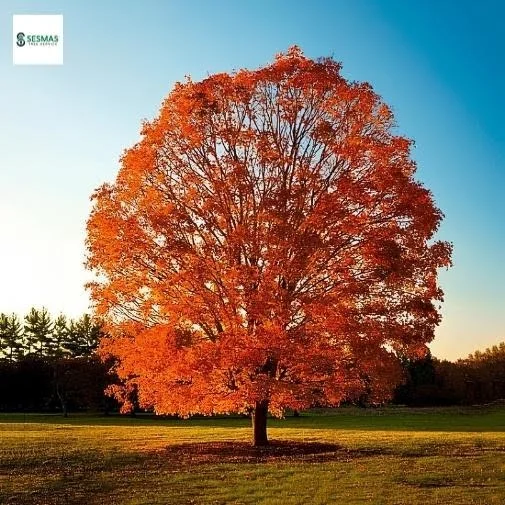
When it comes to maple tree pruning, it is more than just cutting overgrown branches; it is about preserving health, safety, and shape, without causing long-term stress or structural damage. However, maple trees are sensitive, and excessive pruning, or at the wrong time, can result in unnecessary sap loss, stunted growth, or even tree decay. At Sesmas Tree Service, we have trained and certified arborists ready to help you avoid common pruning mistakes. Our tree service in Atlanta specializes in maple pruning, providing tailored care plans to minimize sap loss and promote tree growth. Let’s delve into the most common red maple pruning mistakes to avoid.
Pruning at the Wrong Time
One of the most common mistakes DIY enthusiasts make is pruning in early spring or fall. Although the weather conditions are suitable for outdoor activities, pruning in early spring causes severe sap bleeding. If left unchecked, it can weaken the tree, making it susceptible to infections and removal. Additionally, pruning red maples in the fall also risks wounds that won’t heal properly before winter, leading to fungi. According to industry experts, the best time to prune these trees is late summer or late winter, reducing the risk of damage.
“Topping” the Tree
Cutting off the main leader or the top of the tree to reduce the height usually does more harm than good. Topping may seem easy and potentially safe, but it is one of the most damaging things you can do to a maple tree. If you cut many healthy branches at the top, it not only destroys the structural integrity but also results in weak regrowth and increases the risk of decay or branch failure in the future. By working with a licensed tree service in Atlanta, you can ensure a strategic approach that preserves integrity and boosts healthy growth.
Removing Too Much Canopy
Just like topping, over-pruning a red maple in a single season can cause severe harm, and even complete tree removal. According to certified arborists and industry experts, never remove more than 25% in a single year. For older, more mature trees, stick to a maximum of 10-15%, just to be safe. Over-pruning shocks the tree by reducing its ability to make food. If you want to avoid such issues, hire a trusted tree service in Atlanta to ensure the right amount of pruning without compromising structural integrity and overall health.
Poor Cutting Techniques
Another mistake that DIY enthusiasts make when it comes to maple pruning is using the wrong cutting technique. Cutting too close to the trunk or a long stub increases the risk of damage and infections. Tree experts recommend cutting just outside the branch collar, which is the swollen area where the branch meets the trunk. The goal is to ensure the wound left behind heals faster before the sap attracts pests and disease. Proper cutting also requires the proper tools, so hire a tree service in Atlanta if you lack what it takes to do the job right the first time.
Ignoring Structural Weakness
If you have a tree maintenance project planned, check for weak, damaged, or dead branches. Many people rarely check if all the limbs are healthy, leaving behind weak growth that poses risks down the line. Red maples grow fast and produce suckers from the base or branches. Check for thin, vertical shoots that grow rapidly, as well as V-shaped branch angles, and strategically trim them to prevent weak growth.
Do you want help with your red maple trees? We are your trusted tree service in Atlanta for exceptional and tailored solutions. Contact us at Sesmas Tree Service to book an appointment with our experts and enjoy quality pruning for long-term health.
If you liked this, you’ll love our next breakdown at 2A Magazine.