Introduction to Structural Adaptive Reuse
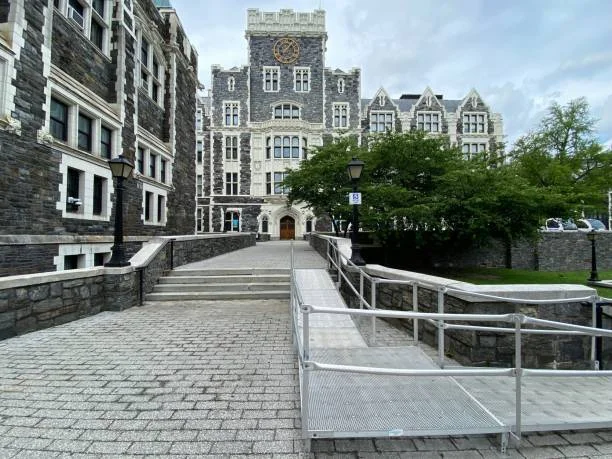
In the heart of our cities and towns, historic structures stand as testaments to our architectural past. However, as these buildings age, their utilities in a modern context often diminish without intervention. Structural adaptive reuse offers a dynamic solution, blending heritage preservation with contemporary functionality. This approach not only preserves historical significance but also fosters urban regeneration and sustainable development.
The Purpose and Challenges of Heritage Preservation Engineering
Understanding the Necessity
Heritage preservation engineering plays a crucial role in the maintenance and transformation of aging structures. By implementing sophisticated engineering practices, experts ensure that these buildings can meet current safety standards and functional requirements without compromising their original aesthetics.
Addressing Structural Challenges
The main challenges in heritage preservation engineering include managing the delicate balance between maintaining historical authenticity and upgrading to modern building codes. Structural engineers assess and reinforce the integrity of old materials while integrating new technologies discreetly.
Benefits of Building Modernization through Structural Adaptive Reuse
Economic and Environmental Advantages
Adopting structural adaptive reuse strategies not only helps in saving costs associated with demolition and new construction but also significantly reduces the carbon footprint. Repurposing existing structures minimizes waste and demands fewer raw materials, supporting eco-friendly building practices.
Cultural and Social Impacts
Urban regeneration projects that involve structural adaptive reuse breathe new life into neighborhoods, preserving their cultural landscapes while encouraging new business opportunities and community development. This approach not only conserves history but also revitalizes the area’s vibrancy and economic vitality.
ProStruct’s Role in Structural Adaptive Reuse
At ProStruct, we specialize in the delicate process of reinforcing and modernizing historic buildings. Our team of experts is dedicated to ensuring that every project meets the highest standards of safety and quality, prioritizing historic site structural safety while respecting the original architectural intent.
Services We Provide
ProStruct is adept in managing diverse aspects of structural adaptive reuse, including structural assessments, foundation evaluations, and detailed architectural preservation plans. We ensure thorough reviews and implementations that respect the structural and aesthetic integrity of historic sites.
Best Practices in Structural Adaptive Reinforcement
Detailed Site Assessments
Understanding the historical construction techniques and materials is crucial. ProStruct conducts comprehensive site inspections and material analyses to make informed decisions on the necessary reinforcements and modifications.
Collaborative Planning Process
Involvement of various stakeholders — from local authorities to heritage conservationists — is essential. ProStruct champions a collaborative approach to ensure all preservation and modernization efforts are well received and legally compliant.
Future Trends in Structural Adaptive Reuse
Observing the urban landscape, it’s evident that structural adaptive reuse will play a pivotal role in the evolution of our built environment. We foresee a greater inclination towards preserving historical architecture through innovative engineering solutions, reflecting a blend of the old and the new in seamless harmony.
Engage with ProStruct for Your Structural Adaptive Reuse Projects
Harness the potential of your historic properties with ProStruct’s expertise in structural adaptive reuse. Whether you aim to revitalize a landmark or repurpose an old structure to meet modern needs, our team is here to guide you through every step of the process.
Interested in learning more about how your project can benefit from our specialized services? Contact us today! and let’s breathe new life into the architecture that tells the story of our past, making it viable and vibrant for future generations.
Expand your toolkit: The exact next step you need to take at 2A Magazine.