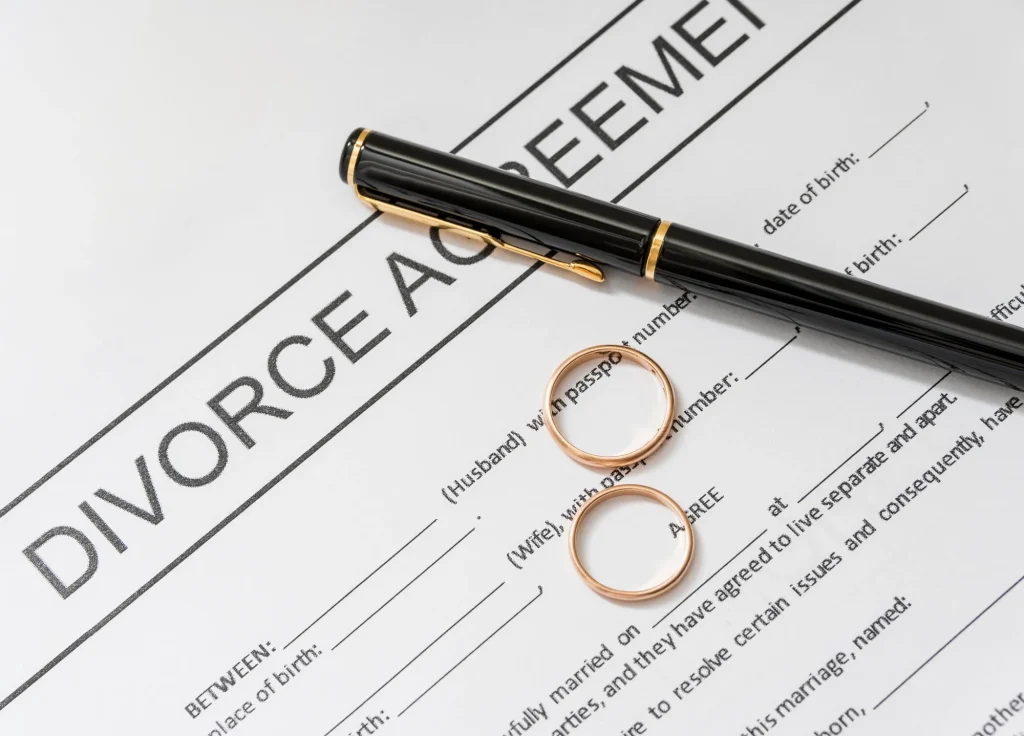
Divorce is the legal process that formally ends a marriage and divides shared responsibilities between two people. Understanding how it works from the start helps you make better decisions and avoid costly mistakes or Divorce for Beginners.
If you are new to this process, speaking with an experienced divorce lawyer early can help you understand your rights before anything is filed.
What Are the Basic Types of Divorce?
Not all divorces follow the same path. The type that applies to you depends on how much you and your spouse agree on and how complex your situation is.
Contested vs. Uncontested Divorce
An uncontested divorce means both spouses agree on all major issues, including property, custody, and support. This type is faster, less expensive, and involves less court time. A contested divorce happens when spouses cannot agree, and a judge steps in to make decisions.
Fault vs. No-Fault Divorce
Most states now allow no-fault divorce, meaning neither spouse has to prove wrongdoing to end the marriage. A fault-based divorce requires proof of misconduct such as adultery or abandonment. No-fault divorce is more common because it is simpler and less adversarial Divorce for Beginners.
What Issues Does Divorce Actually Resolve?
Divorce does not just end a marriage on paper. It legally settles several important matters that affect your life going forward.
- Property division — marital assets and debts are split based on state law
- Child custody — legal and physical custody arrangements are established
- Child support — ongoing financial support for children is calculated
- Spousal support — also called alimony, this may apply depending on income and length of marriage
Under most state laws, property acquired during the marriage is considered marital property. Some states follow community property rules, while others use equitable distribution, meaning a fair but not necessarily equal split.
How Does the Divorce Process Work Step by Step?
The process may feel overwhelming at first, but it follows a clear sequence. Knowing each stage helps you stay prepared and avoid unnecessary delays.
- File a petition — one spouse files for divorce with the local court
- Serve your spouse — the other spouse must be formally notified
- Wait out the response period — your spouse has a set number of days to respond
- Negotiate or mediate — both sides work toward an agreement on key issues
- Attend court hearings — a judge reviews and approves the final terms
- Receive the final decree — the court issues a legal order ending the marriage
Contested vs. Uncontested: What It Means for You
Choosing between these paths has a direct impact on cost Divorce for Beginners, time, and stress. An uncontested divorce can be resolved in weeks, while a contested case can drag on for months or even years.
| Factor | Uncontested | Contested |
| Timeline | Weeks to months | Months to years |
| Cost | Lower | Higher |
| Court involvement | Minimal | Significant |
| Control over outcome | High | Low |
Common Mistakes Beginners Make
Many first-time divorce filers make avoidable errors that slow the process or hurt their outcome. Being aware of these helps you stay on track.
- Signing agreements without fully understanding them
- Overlooking retirement accounts, which may require a separate court order called a QDRO
- Letting emotions drive financial decisions
- Missing filing deadlines set by the court
Key Takeaways
- Divorce legally ends a marriage and resolves property, custody, and support matters.
- No-fault divorce is available in most states and does not require proof of wrongdoing.
- Uncontested divorce is faster and less expensive than a contested one.
- Property is divided based on state law, either by community property or equitable distribution rules.
- The process follows clear steps from filing to final decree.
- Common mistakes like missing deadlines or skipping legal review can be costly.
- Understanding the basics early puts you in a stronger position throughout the process.
If you liked this, you’ll love where we take it next at 2A Magazine.