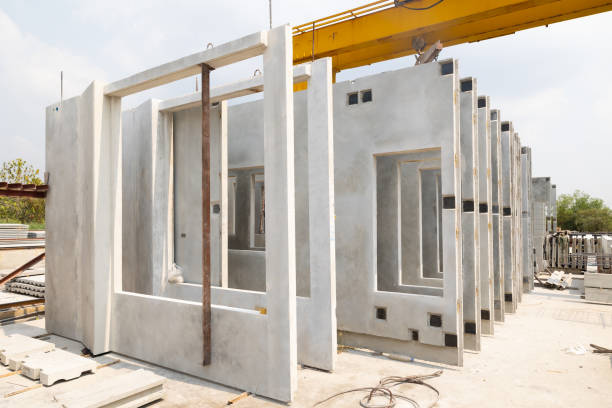
Prefabricated wall systems are reshaping the construction landscape by delivering timely, high-quality solutions for a range of building projects. As the construction sector rapidly embraces modern technology, preferences are shifting toward streamlined building processes and integrated systems. Turnkey providers, such as a leading wall fabrication company, are helping project owners achieve these goals efficiently. This article explores the compelling benefits of prefabricated wall systems in today’s building industry.
Modern construction projects demand solutions that address both the challenges of scale and the need for speed. Traditional on-site methods, while reliable, are increasingly being supplemented or replaced by prefabrication to increase consistency and reduce risk. With changing building codes, labor shortages, and rising client expectations, the efficiency and innovation brought by prefabrication are more vital than ever.
Enhanced Quality Control
Quality control is one of the most important advantages when using prefabricated wall systems. Panels are manufactured in highly controlled environments where factors such as temperature, humidity, and dust are closely monitored. This careful oversight empowers manufacturers to detect and resolve defects before products reach the construction site, setting a higher benchmark for finished installations. The prefabricated approach can lead to more stringent quality assurance because of the repeatable manufacturing process.
Accelerated Construction Timelines
Accelerating project delivery is a primary driver of prefabrication. With wall systems built off-site, site preparation and building assembly can proceed in parallel rather than consecutively. This overlap substantially shortens the overall construction timeline, often by several months. For developers and building owners, this reduction means faster project completions, earlier returns on investment, and minimized project disruption. Contractor Magazine suggests that faster timelines allow developers to respond more quickly to market demand.
Cost-Effectiveness
Construction costs are always a leading consideration. Prefabricated wall systems offer value through reduced labor requirements and less material wastage. Precision fabrication enables just-in-time delivery, so there is little need to store excess materials or pay for extended labor on-site. Furthermore, the certainty of factory-controlled production makes it easier to estimate costs upfront, supporting more accurate budgeting and financial forecasting. Reliable predictability is an essential differentiator in competitive marketplaces.
Sustainability and Waste Reduction
Environmental sustainability is at the forefront of today’s construction initiatives. Prefabrication methods help reduce the carbon footprint of projects by optimizing material procurement, reducing site disturbance, and minimizing waste. In a factory, scrap can be recycled or repurposed with ease, compared to scattered disposal on busy job sites. Lower energy consumption during production and reduced vehicle traffic to sites provide further green benefits. The adoption of prefabrication aligns with evolving international sustainability standards and green certification programs.
Improved Safety Measures
Worker safety is always a top priority in construction. By shifting labor-intensive tasks into controlled factory settings, prefabricated wall systems dramatically reduce on-site incident rates. Working indoors with standardized safety protocols, factory teams face fewer hazards compared to their counterparts exposed to open elements and unpredictable site conditions. The result is a more efficient, less disruptive, and overall safer construction process. Data from the Occupational Safety and Health Administration (OSHA) shows a correlation between fewer jobsite injuries and increased use of prefabrication. For more information, refer to OSHA’s eTools on Prefabrication.
Design Flexibility
Contrary to popular belief, prefabricated wall systems do not limit creative or functional architectural expression. Manufacturers now offer a variety of finishes, configurations, and materials, meaning designers can realize bold, unique visions while benefiting from the practical advantages of off-site construction. Advances in digital modeling and factory automation guarantee precision and consistency, whether the requirement is for standard modules or complex custom projects. This combination of efficiency and flexibility makes prefabrication a preferred method for both utilitarian and signature projects.
Case Studies
Industry projects offer clear evidence of the impact that prefabricated wall systems can provide. For example, the Bridge Street Exchange in Cardiff used advanced unitized cladding systems not only to speed up construction by 5 months but also to ensure a superior-quality finish. Similar successful undertakings have been documented in commercial, residential, and institutional projects globally. These case studies underscore the scalability and adaptability of prefabrication as an essential asset for modern builders looking to deliver consistent, high-quality results within tight timelines and budgets.
Conclusion
Prefabricated wall systems stand out as an indispensable tool for builders and developers under pressure to achieve speed, cost, quality, and sustainability. By shifting key construction processes into controlled environments, companies can address the demands of modern building projects while achieving enhanced results for owners, tenants, and communities. As technology evolves, prefabrication will play an even more prominent role in industry best practices, helping set new standards for excellence in construction.
Every corner of this 2A Magazine holds a piece of my heart for you.