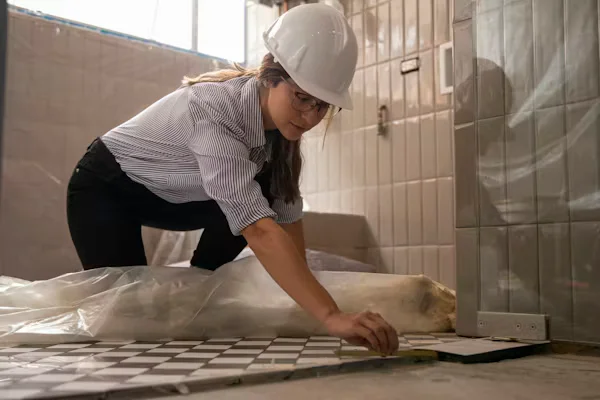
Tile work depends as much on the bonding material as on the tile itself. A wrong adhesive choice can affect grip, alignment, moisture resistance, and service life. Many projects face problems not because of the tile, but because the adhesive does not suit the surface or the installation area.
This guide explains how to choose the right option clearly, including when a tile adhesive calculator can support better quantity planning before installation begins.
Is a Single Tile Adhesive Suitable for All Tile Types?
A single tile adhesive is not suitable for every tile type because tiles differ in size, weight, porosity, and surface finish. The installation area also changes the requirement, since a kitchen wall, bathroom floor, and outdoor surface do not perform in the same way.
A suitable adhesive should therefore be selected according to tile properties, surface condition, and the demands of the area where it will be used.
Types of Tile Adhesives
Tile adhesives differ in composition and performance. Knowing the main categories makes selection easier and reduces the risk of using the wrong product for the tile or surface.
Cementitious Adhesives
Cementitious adhesives are widely used for tile fixing. They usually come in powder form and are mixed before use. These adhesives are often selected for standard wall and floor applications where site conditions are simple.
Their suitability depends on the grade, tile size, and installation area. Proper mixing, correct water ratio, and curing time are important because the bond relies heavily on careful application.
Polymer Tile Adhesive
Polymer tile adhesive is generally selected when better bond strength and flexibility are needed. It is often considered for dense tiles, larger formats, and surfaces that may face slight movement over time.
This type is also used in areas where moisture exposure is a concern, depending on product suitability. Polymer improves bonding and ease of use, but good results still depend on a clean surface and proper application.
Factors to Consider When Choosing Tile Adhesives
The right adhesive depends on the tile, the surface, and the site conditions. It is also important to check whether the adhesive suits the installation method and the expected finish, as the wrong choice can affect alignment, increase material waste, and slow down the fixing process.
Reviewing the points below can make the selection more accurate and easier to manage:
- Tile Material: Ceramic, porcelain, vitrified, and natural stone tiles do not all bond in the same way. The adhesive should suit the tile surface and absorption level.
- Tile Size and Weight: Large tiles place more load on the bonding layer. Heavier sections may need an adhesive with better hold and support.
- Surface Type: Concrete, plaster, screed, and existing tiled bases can respond differently. The surface should be clean, stable, and ready for bonding.
- Application Area: The interior dry spaces, wet zones, and exterior areas have varying adhesive requirements. Exposure to moisture and temperature must always be checked.
- Wall or Floor Use: Wall installations need good slip resistance, while floor installations need stable support for everyday use.
- Flexibility Requirement: Areas exposed to slight movement may need a more flexible adhesive to reduce stress between tile and substrate.
- Working and Curing Time: Adhesives differ in how long they remain usable after mixing and how quickly they begin to dry. These should suit the speed and conditions of the installation.
- Moisture Exposure: Bathrooms, balconies, and utility areas need closer attention to water contact. Adhesive choice should reflect that condition.
- Material Planning: Quantity should be estimated carefully before work starts. A tile adhesive calculator can support better planning and reduce avoidable waste.
Adhesive selection should also support a smoother installation process by allowing easier handling during placement and adjustment. A suitable match can reduce unnecessary interruptions on site and help maintain a cleaner, more consistent tile finish from start to end.
Conclusion
Choosing tile adhesive should never be treated as a minor step in a tile project. The correct selection depends on the tile, the surface, the installation area, and the level of moisture or movement expected after fixing. Once these points are reviewed properly, the choice becomes much clearer. Understanding adhesive types and selection factors supports a more suitable base for tile installation and a better finish over the long term.
If you enjoyed this, you’ll love our take on the bigger picture at 2A Magazine.