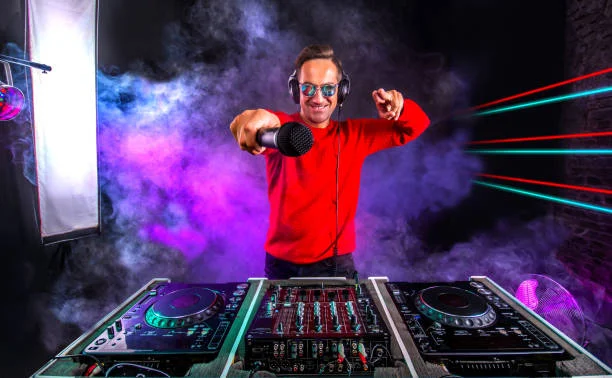
Corporate events have evolved. What used to be a polite drink, a safe playlist, and a few speeches is now closer to an experience—something employees actually talk about on Monday. And whether you’re planning an awards night, end-of-year celebration, product launch, or team milestone, one decision can quietly determine the mood of the entire room: the music or Hiring a DJ for corporate events.
A DJ isn’t just a “nice extra” at the end of the agenda. Done well, it’s atmosphere design in real time. It affects energy, interaction, and even how people remember the brand behind the event.
The Atmosphere Problem Most Corporate Events Don’t Notice
You can have a great venue and good catering and still end up with a room that feels… flat. The issue is rarely effort; it’s momentum. Corporate gatherings naturally include built-in friction:
- mixed departments and social groups
- varying ages and music tastes
- people arriving from busy workdays with different energy levels
- an unspoken uncertainty about “how formal” they’re expected to act
In that environment, silence between agenda items or generic background music doesn’t feel neutral—it feels awkward. A DJ, on the other hand, can actively manage those micro-moments: the transition from arrivals to dinner, the shift from speeches to celebration, the ramp-up from polite conversation to a genuinely lively room.
What a DJ Actually Does (Beyond “Playing Songs”)
A strong corporate DJ reads the room like an event manager reads a run sheet. They’re watching body language, table engagement, bar traffic, and how different groups respond to tempo and genre. That makes them uniquely useful in corporate settings, where “success” is often a feeling rather than a number.
Real-time energy control
Think of music like lighting: it changes how people behave. A DJ can raise energy without forcing it, and they can calm a room down without killing the mood. That matters during key phases:
- Arrival/networking: mid-tempo, warm tracks that encourage conversation
- Dinner: controlled volume and steady pacing (no sudden drops or spikes)
- Post-formalities: a clear “permission” moment where the vibe turns celebratory
A playlist can’t do that well because it can’t react.
Seamless transitions
Transitions are where corporate events often lose people—literally. The moment speeches end, guests drift to the bar, check their phones, or decide it’s a good time to leave. A DJ can “bridge” sections of your event so it feels continuous rather than segmented.
Around this stage of planning, it’s also when many organisers realise a generalist entertainer isn’t the same as someone who understands corporate pacing and brand expectations. If you’re comparing options, it can be helpful to look at specialists such as event DJs for company parties and functions who are set up specifically for professional environments, not just late-night club sets.
Why DJs Improve Engagement (Without Forced “Participation”)
Not every corporate event should feel like a wedding reception, and not every team wants games or icebreakers. The best DJs understand that “engagement” isn’t the same as being loudly interactive Hiring a DJ for corporate events.
They create psychological safety
One underrated benefit of good music is that it reduces self-consciousness. When the room feels intentionally curated, people are less worried about being the only one laughing too loudly or staying at the bar too long. That’s when real conversations happen—across departments, across seniority, across the usual social lines.
They encourage organic connection
A DJ can nudge people into shared moments: a recognisable chorus during a lull, a nostalgic run that makes different generations smile, a subtle build that signals “we’re celebrating now.” It’s not about forcing people onto the dancefloor; it’s about creating a shared emotional environment.
In internal culture terms, that matters. Recent workplace trends have pushed companies to invest more in belonging and retention, and experience-led events are part of that toolkit. If your event helps people feel more connected, it’s doing more than entertaining.
The “Brand” Effect: Music as Reputation Management
Whether you like it or not, your event communicates. The quality of the experience reflects back on the company: competence, taste, attention to detail, and even how much leadership values the team.
Consistency with brand tone
A DJ can align the music with your brand personality:
- Innovative/tech-forward: clean, modern sounds; minimal dead air; crisp transitions
- Heritage/luxury: refined mixes, elegant pacing, controlled volume
- Fun, people-first culture: upbeat selections, familiar hooks, celebratory moments
This is also where a live DJ beats a streaming playlist: they can keep the tone consistent across the evening, even as the room changes.
Professional sound quality changes perception
People often underestimate how much audio quality affects mood. Tinny speakers and uneven volume make a room feel chaotic or cheap, even in a premium venue. A proper DJ setup—balanced sound, appropriate coverage, managed bass—makes the whole event feel smoother and more “together.”
How to Get the Best Result: Briefing Your DJ Like a Pro
Hiring a DJ helps, but the real win comes when you brief them properly. You don’t need a 10-page document; you need clarity.
Give them context, not just a genre list
Instead of only saying “play pop and classics,” explain:
- Who’s in the room (age range, clients vs internal, leadership presence)
- The purpose of the event (celebration, networking, reward, brand moment)
- The emotional arc you want (warm → upbeat → high energy, or steady all night)
Build guardrails without micromanaging
A simple “yes/no” list prevents awkward moments. Think: explicit lyrics, overly niche tracks, controversial artists, or anything that conflicts with your inclusion standards. Then let them do what you hired them to do—read the room.
Align on key moments
Flag the points where music supports the schedule:
- entrance of key speakers
- awards walk-ups
- cake cutting or toast
- shift from formal to social
Those are the moments guests remember.
When a DJ Might Not Be the Right Fit (And How to Decide)
There are events where a DJ isn’t necessary—short daytime workshops, highly formal ceremonies, or intimate executive dinners where conversation is the whole point. But even then, consider whether you need a DJ or simply professional audio and curated music. The decision is less about budget and more about what the room needs: management of energy, transitions, and tone Hiring a DJ for corporate events.
If your event has a social component—especially anything after dinner—music is not background. It’s the emotional engine. And a DJ is the person driving it.In practice, that’s why hiring a DJ changes the atmosphere: they turn a schedule into a lived experience, one moment at a time.
The gold standard guide that started it all at 2A Magazine.