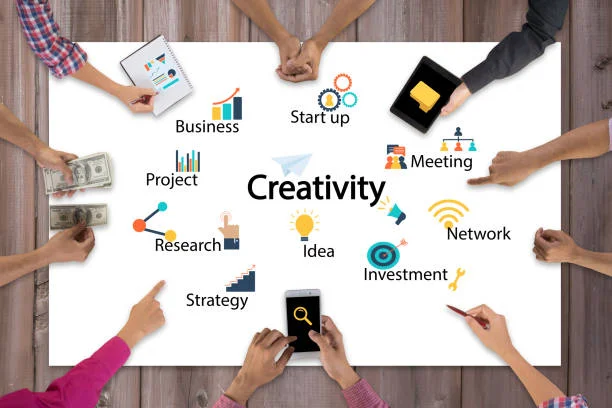
The modern business landscape increasingly recognises that creativity is not just a cultural asset but a formidable economic engine. Particularly in the wake of recent global shifts, urban planners and business leaders are rethinking how public and private spaces function. Across Australia and globally, collaborative art hubs are transforming from quiet exhibition spaces into vibrant centres of commerce, innovation, and community engagement. This concept, often referred to as creative placemaking, leverages the arts to serve broader economic strategies.
Research demonstrates this impact clearly on a macro level. Recent data released by the Australian Government highlights that the cultural and creative sector added $67.4 billion to Australia’s economy in a single financial year, reflecting steady growth and an impact comparable to essential national industries. Furthermore, when people attend arts and cultural activities, they typically spend additional money beyond the initial cost of admission, driving essential commerce directly into the arms of local businesses. This data underscores a vital reality. Investing in creative spaces yields measurable financial returns for surrounding communities.
The Tangible Impact on Local Economies
When a neighbourhood hosts a thriving collaborative gallery, studio, or cultural centre, the financial benefits ripple outward in highly predictable patterns. The multiplier effect means that money spent within a dedicated art space frequently stays within the local ecosystem. Visitors to collaborative galleries do not simply view art and leave. They typically pay for transport, dine at nearby restaurants, buy coffee from adjacent cafes, and shop at independent retail stores. For instance, when residents and tourists participate in Gold Coast arts centre events, they inject immediate and necessary capital into the surrounding commercial precinct. These community gatherings turn what might be quiet weekends into bustling commercial opportunities. It proves that cultural vibrancy and commercial success are deeply intertwined, providing a lifeline to hospitality and retail sectors that rely on consistent foot traffic to survive and expand.
Fostering Synergistic Networks for Professionals
Beyond the immediate boost in retail and hospitality foot traffic, these physical hubs serve as vital networking incubators for creative professionals. Independent artists, designers, and small business owners often work in isolation. This isolation can inadvertently stifle innovation, limit market reach, and slow down professional development. By bringing diverse talents under one shared roof, collaborative art spaces facilitate organic partnerships, mentorships, and professional growth. This synergistic dynamic is highly effective in both physical and digital realms. Much like how dedicated digital ecosystems operate as a platform for designers, artists, and entrepreneurs to showcase their portfolios and build teamwork, physical galleries provide the face-to-face environment necessary to thrive in a competitive market. Bridging the gap between a solitary creative practice and a thriving business requires community, and these collaborative hubs provide exactly that infrastructure.
Core Advantages of Community-Centric Art Spaces
The integration of business principles with artistic endeavour creates sustainable, long-term models for both creators and local councils. When evaluating the broader impact of modern creative hubs, several foundational advantages consistently drive their success and expansion.
- Cross-pollination of skills: Shared studios encourage artists to learn new technical skills and business strategies from their peers. A painter might learn marketing from a digital designer, elevating the overall commercial viability of the entire group.
- Retention of creative talent: Providing accessible resources, affordable studio spaces, and professional exhibition areas prevents a brain drain of talented individuals. Instead of relocating to larger capital cities to find steady work, creatives can build sustainable careers in their own regions.
- Enhanced social cohesion: Shared creative environments offer inclusive, accessible spaces for residents of all backgrounds to connect. This reduces social isolation, bridges generational divides, and builds a stronger, more resilient local identity.
- Diversification of the visitor economy: Cultural tourism attracts a demographic of visitors who tend to stay longer and spend more money compared to traditional tourists. This provides a stable, year-round revenue stream for regional businesses rather than relying solely on seasonal holiday peaks.
Looking Toward a Collaborative Future
Ultimately, the intersection of art and commerce represents a massive opportunity for forward-thinking urban planners, entrepreneurs, and local communities. Collaborative art hubs are far more than mere places to view paintings or attend workshops. They are dynamic, multifaceted ecosystems that stimulate regional economies, foster meaningful social connections, and provide critical support networks for the next generation of creative professionals. As cities continue to evolve, the integration of dedicated arts infrastructure will remain a cornerstone of sustainable urban development. By continuing to support, fund, and invest in these multidimensional spaces, communities can ensure they remain economically vibrant, innovative, and culturally rich for decades to come.
We built a dedicated framework to handle this next at 2A Magazine.