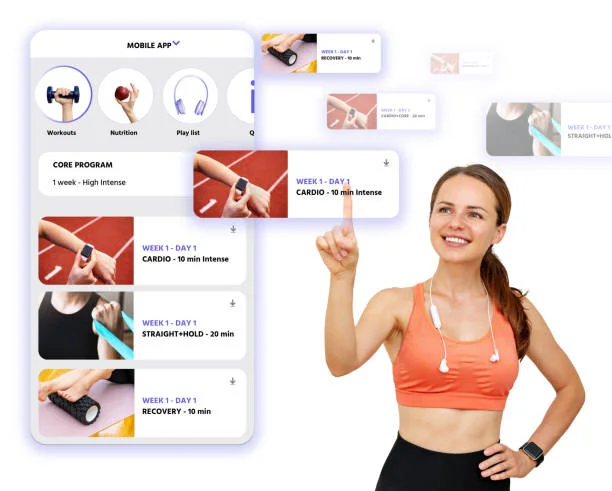
Managing a fitness business means balancing class schedules, instructor availability, client bookings, payments, reminders, and cancellations. Without the right system or Fitness scheduling software, small scheduling issues can quickly turn into missed revenue, double bookings, and extra admin work for your staff.
Fitness scheduling software helps studios, gyms, trainers, and wellness instructors keep bookings organized while giving clients a simpler way to reserve sessions online.
This list compares five software options for different fitness business needs, from dedicated class booking tools to broader space and reservation management platforms.
What to Look for in Fitness Scheduling Software
The best fitness scheduling software should make daily operations easier for both staff and clients. Look for real-time availability, online payments, automated confirmations, waitlists, calendar syncing, and simple rescheduling tools.
If you accept card payments, it is also worth checking whether the platform supports secure payment workflows aligned with PCI Security Standards Council guidance.
Data protection also matters because booking systems may store contact details, payment records, attendance history, and waiver information.
The FTC’s business security guidance recommends practical safeguards for protecting customer information, which is useful context when reviewing any software that handles client data.
1. Bookeo
What It Is
Bookeo is a fitness scheduling software built for businesses that manage classes, courses, boot camps, personal training sessions, and online fitness bookings from one organized system.
Clients can view real-time availability, book sessions online, and make payments from any device. The platform can be added to a business website as an embedded booking widget or used as a standalone branded booking page.
This gives studios a flexible way to accept bookings through their website, social profiles, email signatures, or direct booking links.
Key Features for Fitness Centers
The platform supports online bookings and payments, so clients can reserve fitness classes and complete checkout without calling the studio. It integrates with payment providers such as Stripe, Square, and PayPal, helping businesses collect deposits, full payments, or balances depending on how each service is configured.
Studios can manage several service types from the same calendar, including recurring classes, structured courses, short-term fitness challenges, one-on-one sessions, and semi-private training. It also supports online fitness classes through Zoom integration, which is useful for trainers offering virtual sessions.
Automated confirmations, reminders, and follow-up emails help reduce manual communication. Clients can reschedule or cancel online, while staff can keep track of booking changes in real time.
Calendar syncing with tools such as Google Calendar, iCal, Outlook, and Office 365 also helps instructors stay aligned with their daily schedules. Marketing and revenue tools include class passes, prepaid packages, memberships, promotions, gift vouchers, booking carts, and waitlists.
These features make it a strong fit for fitness businesses that want scheduling, payments, client management, and class sales tools in one place.
Pros
All booking, payment, reminder, client, and schedule management tools are handled inside one system. This reduces the need to connect several separate tools for daily operations.
The 24/7 booking flow also helps capture reservations outside staffed hours. Clients can book when it suits them, while the studio keeps its calendar updated automatically.
This is one reason it was selected as the top option for this list, along with its dedicated fitness features and flexible support for classes, courses, private sessions, and online training.
2. Your.Rentals
What It Is
Your.Rentals is primarily a vacation rental management platform for property managers and hosts. While it was not built specifically for gyms or studios, its space booking and calendar management tools may suit fitness businesses that rent out training rooms, studios, or wellness spaces.
The platform centralizes listing management, calendar synchronization, booking coordination, and payment processing across multiple rental channels. It uses a revenue-share model rather than fixed monthly subscription pricing, which may appeal to businesses that only need it for occasional facility bookings.
Key Features for Fitness Businesses
Your.Rentals connects to more than 50 booking channels from a single account. Fitness businesses that rent studio space can use this to manage visibility across multiple platforms without updating each calendar manually.
Its unified calendar helps reduce double bookings by syncing availability, pricing, and reservations from one dashboard. iCal support also makes it easier to track bookings across different websites.
The platform includes AI-assisted listing tools for improving photos, descriptions, and content quality. This is more useful for space rentals than traditional class scheduling, but it can help studios present rooms or facilities more clearly to potential renters.
Payment options include PayPal, Payoneer, and direct bank transfers. The mobile app lets managers respond to messages, accept bookings, review calendars, and block unavailable dates from a phone.
Pros
Your.Rentals can be a practical choice for fitness businesses that focus on facility or studio space rentals rather than class-based scheduling.
Its percentage-based pricing means costs scale with completed bookings, and the multi-channel calendar can reduce the time spent updating availability across platforms.
3. SerVme
What It Is
SerVme is a reservation and guest management platform that originated in hospitality. It combines reservations, space management, CRM tools, marketing, and customer feedback features.
For fitness businesses, it may be most useful when client experience and space planning are just as important as basic appointment scheduling.
The platform is better suited to studios that need detailed client records, event-style reservations, or structured space management rather than a simple class booking calendar.
Key Features for Fitness Centre Management
SerVme includes floor plan and space management tools that help teams visualize how rooms, stations, or workout areas are being used. This can be useful for studios that run group sessions with changing attendance levels or need to manage space capacity carefully.
Client profiles store visit history, preferences, and feedback. This helps fitness teams recognize returning clients, understand attendance patterns, and personalise service without relying on scattered notes.
Marketing tools support communication through channels such as SMS and WhatsApp. These can be used for booking confirmations, updates, and targeted campaigns to fill slower time slots.
Reporting features help businesses review attendance patterns, client preferences, and reservation trends. For studios that want more than basic scheduling, these insights can support better staffing and class planning.
Pros
SerVme is a good fit for fitness businesses that want a stronger focus on client profiles, space planning, and guest-style experience management.
Its hospitality background may be useful for premium studios, wellness centers, or fitness spaces that manage events, group sessions, and returning client preferences.
4. Tashi
What It Is
Tashi is an AI-powered booking and marketplace platform with roots in travel and experience management.
It is not a traditional fitness-only scheduling tool, but its booking workflows, no-code controls, and automation features can support studios with more complex service or inventory needs.
The platform lets business owners create customized booking experiences without coding. Clients can manage reservations through a customer portal, which can reduce the time staff spend handling calls and emails.
Key Features for Fitness Businesses
Tashi includes tools for booking management, pricing control, customer portals, inventory tracking, and automated communication.
Fitness studios that rent equipment, manage multiple service types, or operate across several locations may find these features useful.
The AI features can help generate service descriptions and support marketing workflows. Dynamic pricing tools may also help businesses adjust rates based on demand, seasonality, or booking patterns.
Cloud-based access allows instructors and managers to check schedules from different locations. The platform also supports multiple payment processors, website building, and brand customization, which can help businesses create a more consistent booking experience.
Pros
Tashi may work well for multi-location fitness businesses, studios with equipment rentals, or companies offering both consumer classes and corporate wellness programs.
Its automation tools can help growing teams manage more bookings without adding the same amount of administrative work.
5. OwnerRez
What It Is
OwnerRez is a vacation rental management platform built for homeowners and property managers. Like Yours.
Rentals is not a dedicated fitness scheduling platform, but some businesses may use its calendar, booking, and space management features for facility reservations.
It is most relevant for fitness businesses that manage rooms, studios, or short-term space bookings rather than recurring class programs.
Key Features for Fitness Studios
OwnerRez supports calendar syncing across multiple channels, helping businesses manage availability from one dashboard. This can reduce double bookings when a studio or training space is listed in several places.
Automation tools include message templates, booking triggers, digital agreements, payment collection, and operational scheduling. For fitness businesses that rent spaces, these features can help manage repetitive booking tasks.
The CRM stores guest records and booking history, which can support follow-up communication and repeat reservations. Reporting tools also provide visibility into bookings, payments, and occupancy trends, with exports available for further analysis.
A branded direct booking website can help businesses accept reservations without relying only on third-party channels. Integrations with access control tools may also support spaces that need automated entry codes after a booking is confirmed.
Pros
OwnerRez can be useful for fitness businesses that need space rental management rather than traditional class scheduling.
Its customization options may take time to set up, but the platform can support a more automated booking workflow once configured.
Conclusion
The best fitness scheduling software depends on how your business runs. A class-based studio needs real-time availability, online booking, payments, reminders, and easy rescheduling.
A business that rents out rooms or training spaces may care more about calendar syncing, facility management, and booking agreements. The strongest option is the one that reduces admin work while making the client experience easier.
For most fitness studios and trainers, a dedicated platform with class scheduling, payment tools, reminders, client management, and online booking will provide the most practical day-to-day value.