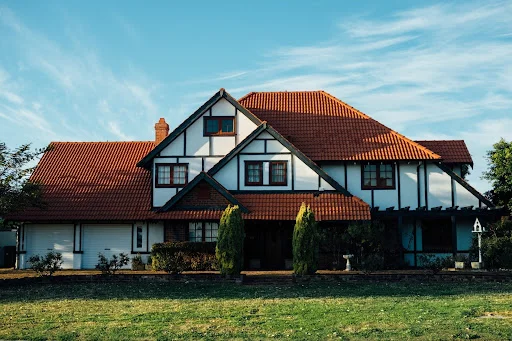
Wind, rain, and intense sun test the limits of outer construction materials every day. Engineers prioritize heavy-duty protection when planning structural components. Selecting high-performance materials defends properties for generations for High-performance roofs.
Strong choices prevent structural leaks and maintain structural integrity. Property owners must analyze material properties before starting an upgrade project. A system built for strength saves money on repairs and replacements later. Longevity depends on smart design decisions from day one.
Structural Forces And Modern Shielding
Heavy storms create uplift pressures that tear standard components away from the building frame. High winds can rip regular shingles off a building during severe weather events. Property owners want to protect their structural investments against severe storms. Structural designs require solid anchoring systems to survive changing weather patterns.
Engineers develop interlocking designs to resist heavy forces. Strong fasteners hold panels tight against the decking. The layout keeps moisture out during heavy rain events. Waterproof seals prevent moisture damage to internal insulation layers.
Hiring Professional Roofers For Lasting Installation
Expert contractors understand the demands of structural engineering. Residential projects benefit when you choose professionals who deploy durable metal roofing to protect assets against heavy storms. Correct alignment guarantees that panels stay secure for decades.
Qualified teams evaluate ventilation needs before starting any work. Proper airflow prevents heat buildup under the deck panels. It’s a smart strategy that keeps indoor spaces comfortable during hot summer months.
Lifespan Metrics Compared To Traditional Systems
Material choices dictate how long a building stays dry.
- Traditional roofing components degrade quickly under severe solar heat.
- Standard asphalt materials typically offer 15-30 years of service.
- Metal solutions extend that lifecycle to 40-70 years by providing elevated resistance to cracking and heat fatigue.
The difference in longevity changes financial projections for property investments. Stronger materials reduce maintenance demands over the decades. Owners avoid frequent replacement cycles by selecting high-performance components early. Long lifecycles lower the total cost of ownership.
Advanced Protective Layers And Coatings
Sunlight breaks down base materials through continuous ultraviolet radiation. Chemical engineering provides modern answers to solar degradation. Data from a specialized manufacturer highlights modern shield applications that defend structures against extreme weather. Specialized layers can extend product lifespans beyond 60 years.
Advanced finishes reflect heat instead of absorbing thermal energy. Reflected heat lowers cooling costs for the interior spaces below. Buildings remain comfortable without overworking climate control systems. Modern reflective surfaces keep commercial properties cooler during peak summer months.
Weather Resistance Variables In Severe Climates
Hail and fire represent major threats to commercial and residential structures. Standard materials fracture when large ice pellets impact the surface. Engineered metallic surfaces withstand heavy wind, hail, and fire for 50 years or more. Solid construction choices minimize building repairs throughout the decades.
Tough exteriors prevent internal water damage during intense storms. Solid design keeps the structure safe from external combustion hazards. Safety ratings improve when properties utilize resilient components. Heavy panels resist impact damage better than fragile alternatives.
Performance Attributes For Industrial Applications
Industrial facilities require dependable coverings to protect expensive machinery. Small leaks can interrupt assembly lines and destroy electronic gear. Strong components maintain structural seals under constant vibration.
Specific Industrial Benefits
Engineered roof systems offer distinct advantages for large buildings:
- High-strength panels resist heavy snow accumulation
- Smooth surfaces allow debris to wash away naturally
- Solid fasteners prevent movement from thermal expansion
These features support continuous operations inside manufacturing plants. Plant managers reduce downtime by avoiding sudden leaks.
Material Efficiency And System Longevity
Modern construction relies on predictable material behavior. Heavy panels can stress structural support beams for extended periods. Lightweight metal choices lower the dead load on a building frame.
Lighter structural loads mean simpler foundation designs. Architects design efficient support structures when using lightweight materials. Savings on structural framing can balance the initial cost of premium panels. Reduced weight helps historical buildings handle modern upgrades safely.
Impact Resistance And Safety Metrics
Falling debris poses a threat to residential and commercial structures. Heavy hail can easily puncture weak materials, causing immediate interior water damage. Impact-resistant engineering protects properties from unpredictable airborne items.
Testing laboratories subject roofing systems to rigorous speed and weight evaluations. Top-tier classifications prove that a material can survive severe impacts without losing integrity. Safety metrics guide consumer decisions during the design phase.
Defending a building against physical impacts preserves the entire foundation. Secure structures remain safe sanctuaries for occupants during extreme climate events. Selecting verified materials guarantees reliable defense under stress.
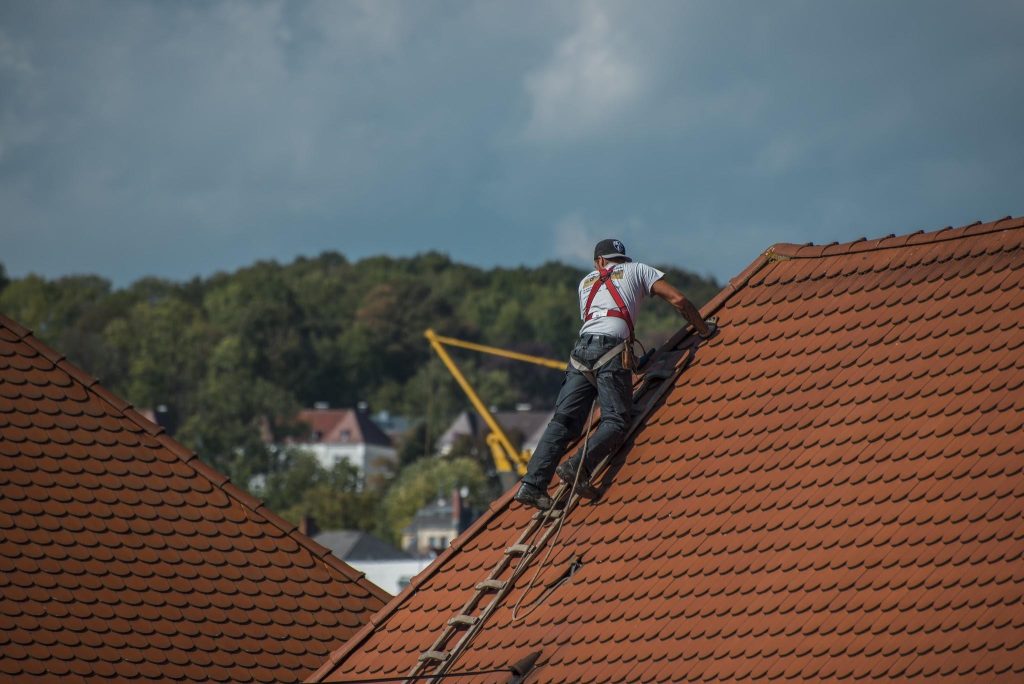
Strong design choices eliminate the stress of frequent maintenance issues. Buildings stay secure when engineered components defend the perimeter. Quality materials protect real estate assets from unpredictable weather events.
Long-term durability remains the main goal for modern construction projects. Proper planning provides safety and peace for decades. Secure roofs form the baseline of durable real estate design.
This single insight altered how we do business at 2A Magazine.