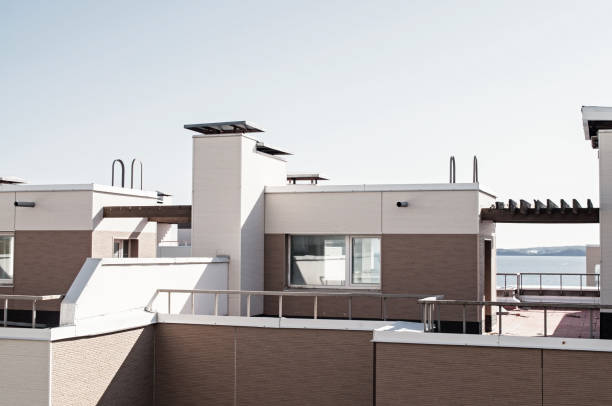
Strong summer heat can place constant pressure on commercial and residential roofing systems. Flat roofs absorb direct sunlight for long hours, which may increase indoor temperatures and raise cooling costs. Poor material choices and weak drainage systems may also reduce roof or Flat roofing contractor lifespan under harsh weather conditions. Proper roof design helps reduce heat stress and long-term damage.
A skilled flat roofing contractor Dallas usually focuses on design details that improve durability and heat resistance. Roofing materials, insulation, drainage, and ventilation all play important roles in long-term roof performance. This article explains several important design features that help flat roofs perform better during hot weather conditions.
1. Reflective Roof Surfaces Lower Heat Pressure
Flat roofs receive direct sunlight for long periods during hot Dallas afternoons. Dark roof surfaces absorb heavy heat and transfer that warmth inside the building structure. Reflective roofing materials help bounce sunlight away from the roof instead of trapping heat across the surface. Lower roof temperatures may support better indoor comfort during warmer months.
Reflective surfaces may also reduce long-term roof wear caused by extreme heat exposure. Cooler roof temperatures place less stress on roofing materials during peak summer conditions. Property owners may also notice lower cooling expenses after installation.
2. Raised Insulation Layers Improve Indoor Stability
Strong insulation helps reduce the movement of outdoor heat into indoor spaces. Weak thermal protection may force cooling systems to work harder during warmer weather. Uneven indoor temperatures sometimes appear when roof insulation lacks proper coverage. Better insulation layers help maintain steadier comfort throughout the property.
Professional roof planning usually includes insulation evaluations before installation begins. Thick insulation layers also help reduce stress on HVAC equipment during the summer months. Balanced indoor temperatures support better energy efficiency across the building.
3. Water Flow Design Protects Roof Materials
Flat roofing systems depend heavily on proper water movement after storms. Poor drainage design may leave standing water trapped across the roof surface. Heat combined with moisture sometimes weakens roofing materials much faster. Surface damage may eventually increase the risk of leaks and costly structural repairs.
A trusted flat roofing contractor in Dallas usually checks the drainage layout carefully before installation starts. A proper roof slope helps direct water toward drains more efficiently. Better drainage also helps maintain cleaner roof surfaces after storms.
4. Air Circulation Reduces Roof Expansion
Heat trapped beneath flat roofs may increase material expansion during the summer months. Repeated expansion and contraction sometimes weaken roof seams and protective layers. Proper airflow helps reduce trapped heat beneath the roofing structure. Balanced ventilation also supports healthier roof performance during changing temperatures.
Ventilation systems may help reduce indoor humidity levels as well. Cooler attic spaces place less pressure on roofing materials during long heat waves. Professional airflow planning supports steadier roof conditions throughout the year.
5. Flexible Membranes Resist Surface Cracking
Roof membranes protect flat roofs from sunlight, moisture, and weather exposure. Weak materials sometimes crack after long periods of direct heat contact. Flexible roofing membranes help absorb temperature changes without severe surface damage. Strong membrane systems usually support longer roof lifespan and fewer repair concerns.
Modern roofing materials also improve protection against UV exposure. Strong surface layers help maintain better resistance during extreme summer temperatures. Professional installation helps maintain stronger sealing around edges and joints. Quality membranes support more reliable roof performance over time.
Smart Maintenance Habits That Help Flat Roofs Last Longer
Long-term roof care plays an important role in heat protection and structural stability.
- Schedule roof inspections before summer temperatures rise
- Remove debris that may trap heat and moisture
- Check roof edges after heavy storms or wind exposure
- Inspect sealants around vents and roof openings
- Repair small surface damage before cracks spread
- Monitor indoor temperature changes near upper floors
Simple maintenance habits may help reduce expensive roof repairs later.
Flat roofs in Dallas face heavy sunlight, high temperatures, and seasonal storms throughout the year. Careful planning helps improve roof durability and indoor comfort during extreme weather conditions. Property owners who focus on strong roof design and regular maintenance usually experience fewer long-term roofing problems and stronger structural protection.