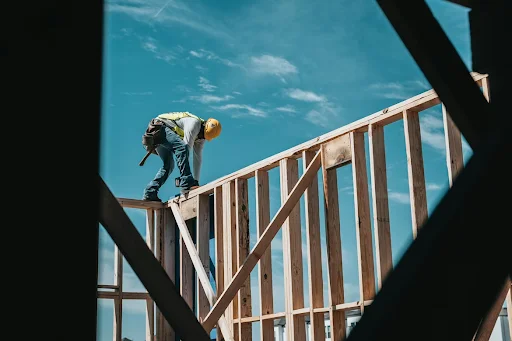
Building a home used to take a year or more of waiting on weather and crews. Now, the industry is moving toward smarter, faster ways to get families into their new spaces. Modern techniques focus on precision and speed without losing quality Modern Home Construction. These changes are making housing more accessible and reliable for everyone in 2026. This shift helps solve many problems that used to slow down the process. It is an exciting time for anyone looking to build a life in a new house.
The Shift Toward Precision Engineering
Building a house starts with a solid base that can handle the weight of the structure. Many builders are now choosing modular foundations to speed up the early stages of a project. This choice allows for a level of accuracy that traditional poured concrete often misses. It helps keep the rest of the frame perfectly aligned from day one.
If the base is off by even an inch, the whole house suffers. Builders find that this method saves them from fixing mistakes later. This level of control is hard to achieve with wet concrete on a messy job site. Precision is the key to a house that stands straight for decades.
Speed and Efficiency on the Job Site
Traditional foundation work is often delayed by rain or freezing temperatures. A research paper from a major science portal explained that factory-based production helps builders manage resources better and assemble parts faster on-site. This means a crew can finish a base in days instead of weeks. It keeps the whole project moving without the usual stops and starts.
Speed is a major factor when labor costs are rising every year. Using these parts allows a home to go from a dirt lot to a framed house in record time. Homeowners appreciate the fast progress. It reduces the stress of living in a rental for months.
Benefits of Pre-Built Components
- Fewer workers are needed on the property at once.
- Waste is kept to a minimum since pieces are measured in a factory.
- Quality checks happen in a controlled environment.
- Weather has almost no impact on the initial build phase.
- Precision cuts mean every piece fits the first time.
Advanced Materials and Structural Integrity
Newer homes need to be lighter and stronger to meet 2026 building codes. A study in a materials journal found that steel foam concrete can match the strength of standard concrete but weighs 30% less. Using these advanced mixes makes it easier to transport sections to the build site. It reduces the heavy load on the soil underneath the home.
Stronger materials mean the house will last for generations. These innovations help builders reach areas with soft soil that were once hard to build on. It opens up more options for where a family can live. Modern materials provide a safety level that was not possible 10 years ago.
Modern home construction is no longer about just wood and nails. It is about using the best technology to create safe, efficient spaces. The future of the industry looks bright as these methods become the standard for new builds. Families can look forward to homes that are built better and faster than ever before. It is a new era for the construction world.
Down the rabbit hole? Our best secrets are this way at 2A Magazine.