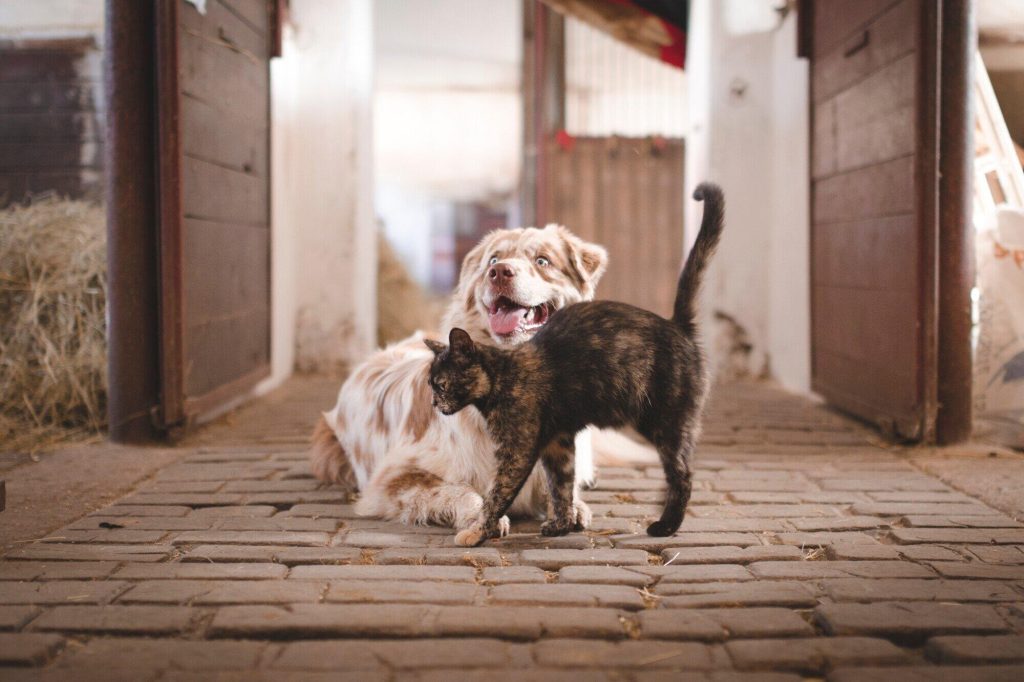
Pets cannot speak, so they show pain or illness through their actions and behavior. When your pet acts in a way that is not normal, it may be a sign that something is wrong. Changes in eating, sleeping, or movement should not be ignored because they can point to a deeper problem.
Paying close attention each day helps you notice these signs early and respond before things get worse. Continue reading to discover everything you need to know.
Breathing Problems Need Fast Help
When a pet has trouble breathing, the situation can become serious very quickly. You may notice fast breathing, loud sounds, or a struggle to get enough air, which can be very alarming to see.
Pale or blue gums can also be a warning sign that your pet is not getting enough oxygen. It is important to keep your pet calm and bring them to a vet right away for proper care.
Bleeding That Will Not Stop
Heavy bleeding is always an emergency and needs quick action to prevent further harm. You should place a clean cloth or bandage over the wound and apply steady pressure to help slow the bleeding.
Avoid removing the cloth too often because it can stop the blood from clotting properly. Once the bleeding is under control, seek medical help as soon as possible.
Choking and Blocked Airways
Pets can choke on food, toys, or small objects that get stuck in their throat. Signs may include coughing, gagging, or pawing at the mouth while trying to breathe.
If it is safe, you may check the mouth and try to remove the object carefully without causing injury. If you cannot remove it, you should go to the nearest vet right away for help.
Seizures and Sudden Shaking
Seizures can look very scary, but staying calm will help you protect your pet. During a seizure, your pet may shake, drool, or lose control of their body for a short time.
You should move nearby objects away so your pet does not get hurt and avoid touching their mouth. After the seizure ends, keep your pet in a quiet space and contact your vet for advice.
Poisoning and Harmful Substances
Pets often explore with their mouth, which can lead them to eat things that are harmful. Signs of poisoning may include vomiting, drooling, weakness, or unusual behavior that appears suddenly.
If you think your pet has swallowed something toxic, act quickly and remove any remaining substance if possible. Learning how to help your pets in these moments can guide your actions and give them a better chance to recover.
Heatstroke and Overheating
Hot weather can quickly affect pets, especially those with thick fur or short noses. Signs of heatstroke include heavy panting, drooling, weakness, and in severe cases, collapse.
You should move your pet to a cooler place and gently cool their body with water that is not too cold. After giving small amounts of water, take your pet to a vet for further care.
Stay Ready and Act with Care
Being prepared can make a big difference during a pet emergency. Keeping a simple first aid kit at home and knowing your vet’s contact details will help you act faster when needed.
Staying calm allows you to think clearly and make better choices for your pet’s safety. With quick action and proper care, you can protect your pet and give them the best chance to heal. Expand your knowledge and check out more posts on our blog!