Fashion in 2026 is becoming less about strict categories and more about personal identity. Over the last few years, mainstream clothing trends have shifted toward comfort, individuality, and self-expression, and this movement continues to grow stronger. Traditional ideas about what men or women “should” wear are fading, replaced by styles that focus on confidence and creativity rather than labels.
One of the biggest influences
Behind this shift is the rise of alternative and gender-fluid aesthetics. What was once considered niche internet culture or underground fashion has gradually entered everyday wardrobes. Oversized silhouettes, layered accessories, pastel tones, cropped jackets, soft fabrics, and expressive streetwear are now common across social media, fashion campaigns, and even high-street retail collections.
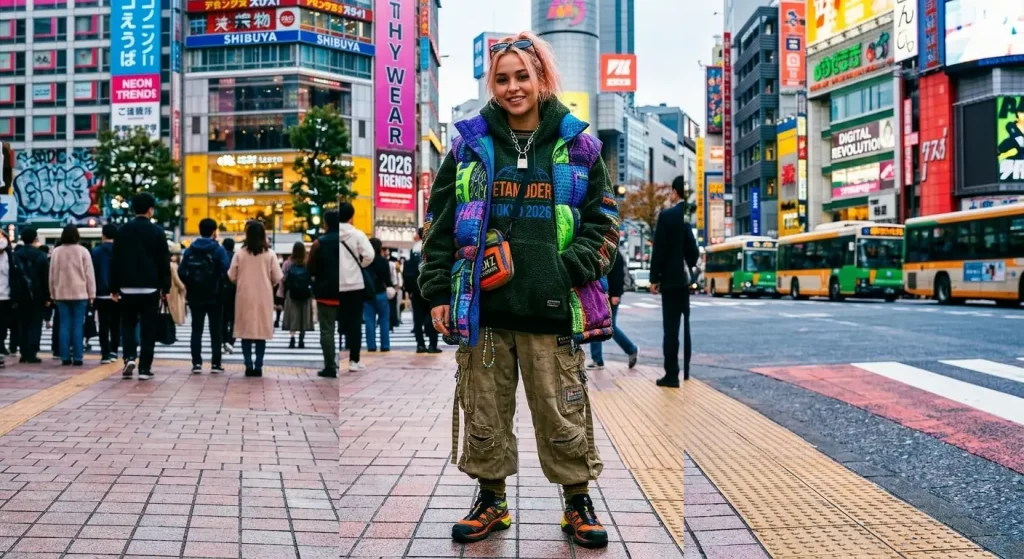
In 2026, younger generations especially are embracing fashion as a form of storytelling. Instead of following rigid seasonal rules, people are mixing vintage pieces with modern streetwear, combining masculine and feminine elements, and building wardrobes that reflect personality instead of expectations. This evolution has also been accelerated by platforms like TikTok, Instagram, and Pinterest, where trends spread globally within days and individuality is celebrated more openly than ever before.
Comfort-driven fashion
Remains central to modern style culture. Loose-fitting pants, oversized hoodies, knitwear, and relaxed outerwear continue dominating casual fashion because they balance practicality with visual appeal. Many fashion enthusiasts are also turning toward layered looks that create depth and versatility without sacrificing comfort. In particular, hooded streetwear has become one of the defining pieces of modern alternative fashion.
As these trends continue evolving, styles inspired by online subcultures are gaining broader attention. Pieces such as oversized sweaters, plaid layering, soft-tone accessories, and femboy hoodies are increasingly being integrated into contemporary wardrobes because they reflect the growing demand for expressive and relaxed fashion choices rather than rigid style categories.
Another reason gender-fluid
Fashion is becoming more mainstream is the growing focus on emotional comfort and authenticity. People no longer want clothing that simply looks fashionable; they want pieces that feel natural and aligned with their identity. This has encouraged designers to create collections that avoid overly gendered marketing and instead focus on fit, texture, and styling flexibility.
Color palettes in 2026 also reflect this changing mindset. Neutral tones still remain popular, but softer shades such as lavender, blush pink, cream, powder blue, and sage green are appearing more frequently across all fashion categories. These colors are no longer associated with a specific gender. Instead, they are treated as part of a broader movement toward softer and more expressive aesthetics.
Accessories are playing a larger role as well.
Rings, layered necklaces, painted nails, tote bags, and platform sneakers have become common additions to everyday fashion regardless of gender identity. Rather than following old fashion conventions, people are experimenting more freely with styling combinations that once may have been considered unconventional.
Fashion brands are adapting quickly to this cultural change. Many retailers are redesigning collections to be more inclusive and versatile, offering relaxed cuts and unisex sizing options that appeal to wider audiences. Even luxury fashion houses are embracing fluid silhouettes and nontraditional styling in runway presentations. This shift reflects not only changing aesthetics but also broader conversations around identity, self-expression, and social acceptance.
At the same time, sustainability continues influencing fashion decisions. Consumers are buying fewer but more versatile pieces that can be styled in multiple ways. Gender-fluid fashion naturally supports this approach because many items are designed to work across different looks and occasions. Oversized jackets, hoodies, loose trousers, and layered basics are now viewed as timeless staples rather than temporary trends.
Looking ahead, fashion in 2026
Appears to be moving toward even greater individuality. Instead of trends being dictated solely by designers or magazines, communities online are shaping style movements in real time. Personal aesthetics now carry more value than fitting into a predefined image, and this openness is allowing people to explore fashion more confidently than ever before.
Ultimately, the growing popularity of alternative and gender-fluid aesthetics reflects a larger cultural transformation. Fashion is no longer centered around strict categories or expectations. It has become a flexible space where comfort, creativity, and authenticity matter most. As mainstream clothing continues evolving, the future of style seems increasingly focused on freedom of expression rather than conformity.
In the end, they support a natural, youthful, and confident look. Expand your knowledge and check out more posts on our blog!