
For years, many people believed that starting a career in healthcare meant following one narrow path: earn a four-year degree, spend years in school, and then begin looking for a place in the medical field. But today’s healthcare workforce is more diverse, practical, and skills-driven than ever. Clinics, medical offices, outpatient centers, and specialty practices all need trained support professionals who can help teams operate smoothly and care for patients more efficiently.
That shift has created a new front door into healthcare: career-focused training.
Instead of waiting years to explore whether healthcare is the right fit, students can begin with practical programs that teach the skills needed for entry-level roles. Medical assisting is one of the clearest examples of this change. It gives students exposure to both the clinical and administrative sides of healthcare, while helping them understand what daily work in a medical environment actually looks like.
Why Medical Assisting Appeals to Career Starters
Medical assisting attracts students for a simple reason: it offers a hands-on introduction to healthcare without requiring a long academic pathway at the beginning. Students who are curious about patient care, medical office operations, and clinical teamwork can use this role as a practical starting point.
A medical assistant may help with tasks such as:
- Greeting and preparing patients
- Supporting basic clinical procedures
- Recording patient information
- Managing appointment flow
- Communicating with healthcare teams
- Maintaining clean and organized exam areas
- Assisting with front-office responsibilities
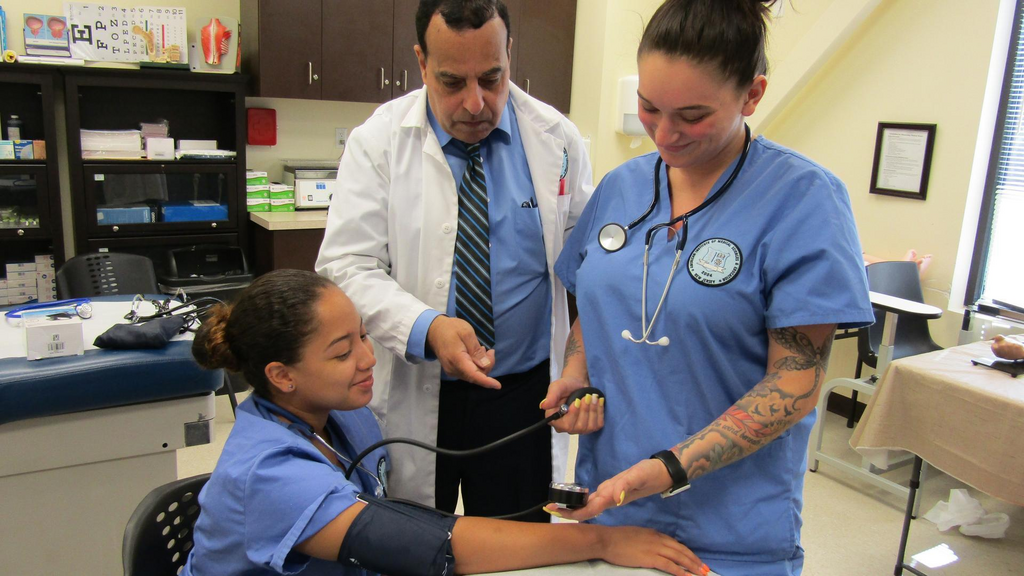
This blend of duties helps students build a realistic understanding of healthcare. It is not only about learning medical terms or memorizing procedures; it is about becoming dependable in a professional environment where accuracy, communication, and empathy matter every day.
The Role of Career Colleges in Modern Healthcare Training
Not every student needs the same kind of education. Some are recent high school graduates. Others are adults changing careers, parents returning to school, or workers looking for a more stable and meaningful field. For many of these students, traditional college may feel too broad, too long, or too disconnected from immediate career goals.
That is where medical assistant colleges can play an important role. Career-focused colleges are often designed around practical training, structured schedules, and job-related skills. Instead of asking students to spend years exploring unrelated subjects, these programs can help them focus on the knowledge and responsibilities connected to medical assistant work.
A strong training environment should help students understand both the “what” and the “why” behind the role. It should prepare them not only to complete tasks, but also to act professionally in patient-facing situations.
What Makes a Medical Assistant Program Valuable?
A good medical assistant program is not measured only by how quickly it can be completed. Speed matters for many students, but quality matters more. The right program should connect classroom learning to real workplace expectations.
Students should look for programs that include:
- Hands-on skill development
- Training in both clinical and administrative duties
- Instructors with healthcare or career-training experience
- Clear program requirements and outcomes
- Practice with communication and professionalism
- Support services that help students stay on track
- Exposure to real or simulated medical office environments
Medical assisting requires more than technical knowledge. Students need to learn how to listen carefully, follow instructions, manage time, respect patient privacy, and remain calm in busy settings. These are the skills that often separate someone who simply completed a course from someone who is ready to contribute in a healthcare workplace.
A Practical Path, Not a Shortcut
Career-focused training should not be seen as a shortcut around hard work. Healthcare support roles come with real responsibility. Patients may be nervous, providers may be busy, and small details can affect the quality of care. Students entering this field need discipline, patience, and a willingness to keep learning.
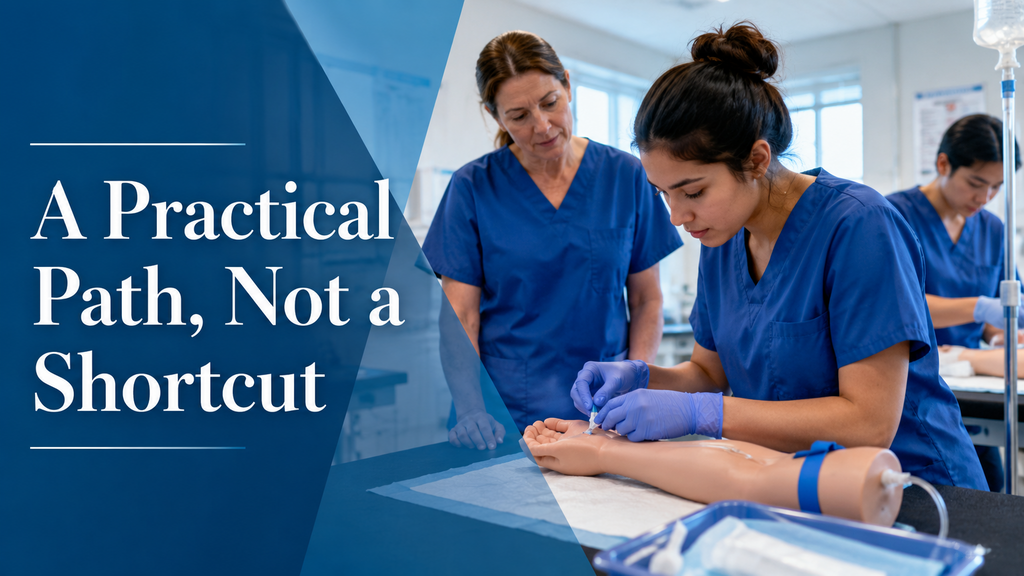
What makes medical assisting appealing is that it offers a practical first step. Students can begin building useful skills, gain exposure to healthcare environments, and decide whether they want to grow further in the field.
For some, medical assisting becomes a long-term career. For others, it becomes a foundation for future goals in nursing, healthcare administration, specialty care, or other medical professions.
Choosing the Right Training Environment
Before enrolling in any program, students should ask thoughtful questions. A program may sound attractive in an advertisement, but the details matter.
Helpful questions include:
- Is the schedule realistic for my life?
- Does the program include hands-on practice?
- Will I learn both patient-facing and office-related skills?
- Are the admissions and tuition details clear?
- What kind of support is available if I need help?
- Does the program prepare students for real workplace expectations?
- Is the campus location manageable for my commute?
These questions help students choose with confidence instead of making a decision based only on convenience or price.
The Bigger Picture: Building the Healthcare Workforce
Healthcare depends on more than doctors and nurses. Medical assistants, front-office teams, technicians, aides, and support staff all help keep care environments moving. As patient demand continues to grow, the need for reliable entry-level healthcare workers remains important.
Career-focused education helps fill that gap by preparing students for roles that are practical, people-centered, and connected to real workforce needs. It also gives students a chance to enter healthcare in a way that feels achievable.
The path into healthcare is no longer limited to one traditional route. For students who want meaningful work, practical training, and a faster way to begin exploring the medical field, medical assisting can be a smart starting point.
The best programs do more than teach tasks. They help students understand the pace, responsibility, and professionalism required in healthcare. With the right training environment, students can begin building the confidence and skills needed to support patients, providers, and the healthcare teams that communities rely on every day.