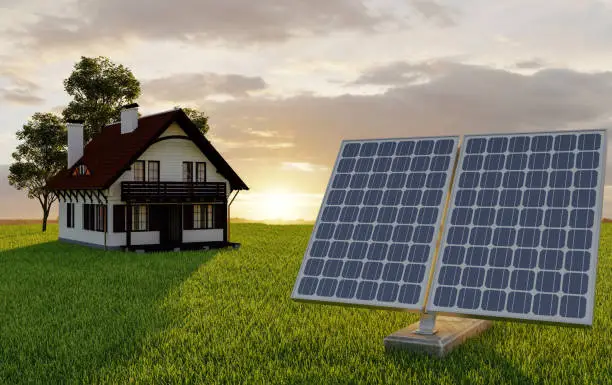
More homeowners are exploring solar energy as a way to generate electricity directly from their properties. A well-designed solar system can use available roof space to produce power from sunlight, but choosing the right system requires more than selecting a certain number of panels.
Roof condition, energy consumption, available sunlight, electrical capacity, shading, battery storage, and future electricity needs can all influence the design. Understanding these factors before installation can help homeowners make practical decisions about their property’s energy setup.
How Home Solar Systems Work
A home solar system typically uses photovoltaic panels to convert sunlight into electricity. An inverter then converts the electricity into a form that household appliances can use.
Depending on the system configuration, excess electricity may be sent to the utility grid or stored in a battery for later use. The exact setup depends on the homeowner’s goals, property characteristics, equipment, and applicable utility requirements.
Solar production can vary throughout the day and across seasons. A system may generate the most electricity during periods of strong sunlight, while production can decrease during cloudy weather or at night.
Planning Residential Solar Systems
Before choosing equipment, homeowners should evaluate how much electricity the property actually uses. Reviewing recent utility bills can provide a useful starting point for understanding annual and seasonal consumption.
A solar professional can use this information to estimate an appropriate system size. The goal is not necessarily to cover every available section of the roof with panels. Instead, the system should be designed around the property’s energy requirements and available solar resources.
During the planning process, homeowners may also consider future changes such as an electric vehicle, home addition, heat pump, or other major electrical loads.
Evaluating the Roof
The roof plays an important role in solar planning. Panels and mounting equipment are designed to remain in place for many years, so the underlying roofing system should be in suitable condition before installation.
An inspection can identify aging shingles, deteriorated flashing, leaks, or other roofing concerns. If the roof is approaching the end of its useful life, completing necessary roofing work before installing solar panels may help avoid having to remove and reinstall the equipment later.
Roof orientation, pitch, available surface area, and structural considerations can also influence panel placement.
Understanding Sunlight and Shading
Solar panels need adequate sunlight to produce electricity efficiently. Trees, neighboring buildings, chimneys, roof structures, and other obstacles can create shade that affects production.
A professional site assessment can identify shaded areas and help determine where panels can be positioned. The amount of sunlight available throughout the year is more important than simply observing the roof on one particular day.
A properly planned system accounts for seasonal changes in the sun’s position as well as permanent sources of shade.
Choosing Residential Solar Systems for Your Home
Homeowners searching for Residential Solar Systems for Your Home may encounter a wide range of panel types, inverters, mounting equipment, and battery options.
The best configuration depends on the property’s energy needs and physical characteristics. Higher panel efficiency may be useful when roof space is limited, while other homeowners may prioritize equipment warranties, monitoring capabilities, or system expansion options.
Rather than choosing equipment based solely on its advertised specifications, homeowners should consider how the components work together as a complete system.
Solar Batteries and Energy Storage
Battery storage is an option for homeowners who want to store electricity generated by their solar panels. Stored energy can potentially be used later when solar production is lower, depending on the system’s design.
Battery storage can also be incorporated into certain backup power configurations. However, storage adds equipment, installation requirements, and cost to a solar project.
Homeowners should discuss their energy usage and backup power goals with a qualified installer to determine whether battery storage fits their needs.
What Happens During Solar Installation?
A typical installation begins with preparing the roof and confirming the placement of the mounting system. The mounting hardware is secured, followed by the installation of solar panels and electrical connections.
An inverter and other necessary components are installed according to the system design. Wiring must be properly routed and protected from weather exposure.
After installation, required inspections and approvals may be completed before the system begins operating under the applicable utility arrangements.
The specific process can vary depending on the property, equipment, local requirements, and system configuration.
Maintaining a Home Solar System
Solar panels generally require limited routine maintenance, but homeowners should still monitor their system’s performance. Dirt, leaves, bird debris, and other buildup can affect production in certain circumstances.
Many modern systems include monitoring tools that allow homeowners to track electricity generation. A noticeable and unexplained drop in production may indicate that professional inspection is needed.
The roof and mounting components should also be checked periodically. Any roofing maintenance should account for the presence of solar equipment.
Improving Energy Efficiency Before Going Solar
Solar planning is also an opportunity to evaluate the home’s overall energy efficiency. Reducing unnecessary electricity consumption can influence the size of the solar system required.
Homeowners may consider improving insulation, sealing air leaks, upgrading lighting, or replacing inefficient appliances. Energy-efficient improvements can reduce the amount of electricity needed to operate the home.
Understanding energy usage before installing solar panels can therefore make the system design more precise.
Questions to Ask a Solar Installer
Before selecting an installer, homeowners should ask what equipment is included, how the system will be sized, and what production estimates are based on.
It is also useful to ask about panel and inverter warranties, workmanship coverage, monitoring options, permitting, inspections, and future maintenance.
Homeowners should understand whether battery storage is included or optional and whether the system can be expanded later if electricity needs increase.
A detailed proposal should clearly explain the equipment and services included in the project.
Long-Term Considerations
Solar panels are designed as a long-term energy investment, so homeowners should think beyond the installation date. Future roof maintenance, equipment replacement, electricity usage, and changes to the property can all affect the system over time.
Keeping documentation for panels, inverters, batteries, warranties, and installation work can make future maintenance easier.
Homeowners should also understand how solar equipment interacts with their roof and electrical system so future contractors can work around the installation safely.
Making an Informed Solar Decision
Choosing Residential Solar Systems involves evaluating the home, electricity usage, roof condition, sunlight exposure, equipment, and long-term energy goals.
For homeowners considering Residential Solar Systems for Your Home, professional site assessment and system design can help identify the configuration that fits the property. Comparing equipment, warranties, installation practices, and expected system performance can also provide a clearer picture of the project.
Solar energy is not a one-size-fits-all solution. A carefully planned system takes the home’s current needs and potential future changes into account, helping homeowners create a solar setup that works with their property and overall energy strategy.