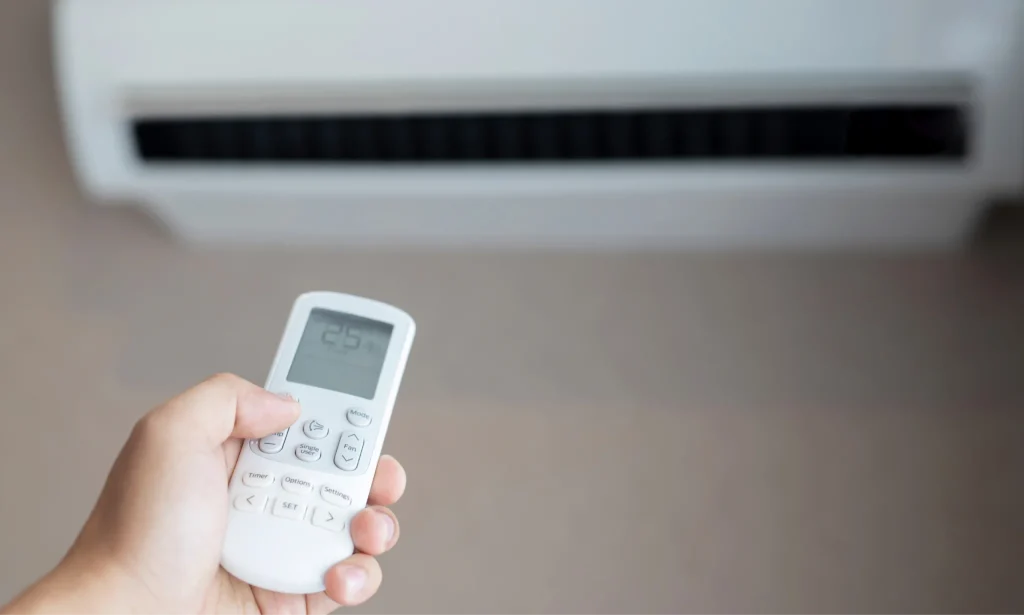
With your new AC system installed, you would expect that you will feel comfortable, experience energy savings, and have cooling immediately. However, in cases where the newly installed AC system does not reduce the home’s temperature according to the set standards, it can be quite scary, but it might just be due to installation problems, air flow restriction, thermostat setting, or compatibility problems between systems, rather than the failure of the system New AC Unit Not Cooling.
It helps to understand when to contact AC installation services and some of the major causes of AC problems in order to avoid unnecessary panic and expensive repairs for many homeowners.
Is It Normal for a New AC Unit to Need Time Before Cooling?
It can take a small adjustment period before a newly installed air conditioner is able to get to the desirable interior temperature, particularly when the interior was very warm when it was initially turned on.
How fast your new AC can cool your house can be influenced by a variety of factors, including:
- Outdoor temperatures
- Home insulation quality
- Size of the living space
- Thermostat settings
When the system operates for hours and does not bring any form of significant reduction in temperature, then there might be a problem that needs to be corrected.
Incorrect Thermostat Settings That Stop Cooling
Incorrect thermostat settings are considered to be one of the easiest and most frequent problems that need to be fixed New AC Unit Not Cooling. Some settings can be misconfigured during installation, or they can be accidentally changed.
Some critical thermostat settings to consider are:
- Cooling with Cool mode.
- Fan not on, but on Auto.
- Below room temperature.
- Correct programming schedules
- Functional batteries, if applicable
When the thermostat fan is adjusted to on, the blower might also operate continuously during periods of no cooling of the system. This may give an impression of having warm air flowing through the house.
Poor Airflow Problems After Installation
The air conditioner, despite its efficiency being high, cannot be used effectively without the free flow of air in the system.
Examples of typical AC airflow problems are:
- Contaminated or blocked air filters.
- Blocked supply vents
- Closed return vents
- Crushed ductwork
- Improper blower settings
Other times, the installer will leave on protecting packaging materials or even forget to open dampers when setting them up.
Refrigerant Issues in a Newly Installed AC System
In case the refrigerant is not taken correctly, the system might fail to cool effectively or cease to cool.
Typical problems that are related to refrigerants are:
- Low refrigerant charge
- Refrigerant leaks
- Improper refrigerant pressure
- Defective refrigerant line connections.
Astera and other companies frequently point out how AC airflow problems may be avoided through early diagnostics of the system and proper installation checks, before they escalate.
Electrical or Wiring Mistakes During Installation
Another frequent root cause of issues with cooling that develops in new AC systems is electrical issues. Wires could be wrongly wired or loosely connected to the electrical system, and as a result, the system will not work properly.
Possible electrical AC problems that could arise during installation are:
- Loose wire connections
- Incorrect voltage supply
- Faulty breakers
- Improper thermostat wiring
- Broken contactors or capacitors.
Electrical problems may cause the AC to:
- Fail to start
- Shut off unexpectedly
- Blow warm air
- Break trip breaker repeat.
Such problems cannot be overlooked, as they can pose a safety risk or cause damage to costly AC parts.
Wrong AC Size or Poor System Matching
When the home cannot accommodate the new unit, it can operate continuously, but it might not achieve the desired temperature.
Inappropriate sizing of systems can result in:
- Uneven cooling
- Short cycling
- Excess humidity
- Increased energy bills
- Reduced system lifespan
The wrongfully fitted evaporator coil or condenser unit would decrease efficiency and limit cooling capabilities.
Ductwork Problems That Reduce Cooling Efficiency
The ductwork damage or poor design can undermine the ability of the AC unit to provide cool air in its premises, even with a well-functioning AC unit installed. Upgrading your unit can improve efficiency and reduce energy bills by 20%.
Some common ductwork problems are:
- Air leaks
- Poor insulation
- Loose duct connections
- Undersized ducts
- Blocked airflow pathways
Leaky ducts may promote the escape of cooled air into attics, crawl spaces, or walls before it makes it into the interior rooms of the house.
Outdoor Condenser Issues After Setup
Unless the condenser can work effectively, the AC system will have difficulties cooling effectively.
Problems with the post-installation condenser can include:
- Obstructed air supply to the unit.
- Shipping damage
- Improper placement
- Dirty condenser coils
- Fan motor problems
The outside unit must have sufficient clearance along its sides to allow it to flow freely. Placing the condenser in a location with high proximity to the walls and fences or in areas covered by scrubs will trap heat and limit efficiency.
In Conclusion
When you have just purchased an air conditioner, and you cannot cool with it, it is possible that there are other problems, including the installation process or obstruction of airways inside the unit, a malfunctioning thermostat, or refrigeration issues New AC Unit Not Cooling. Whichever way, it has been well installed, maintained, and repaired; then there is no doubt that your new system will run well and last several years.
Beyond the surface: Uncover the full library of expert resources at 2A Magazine.