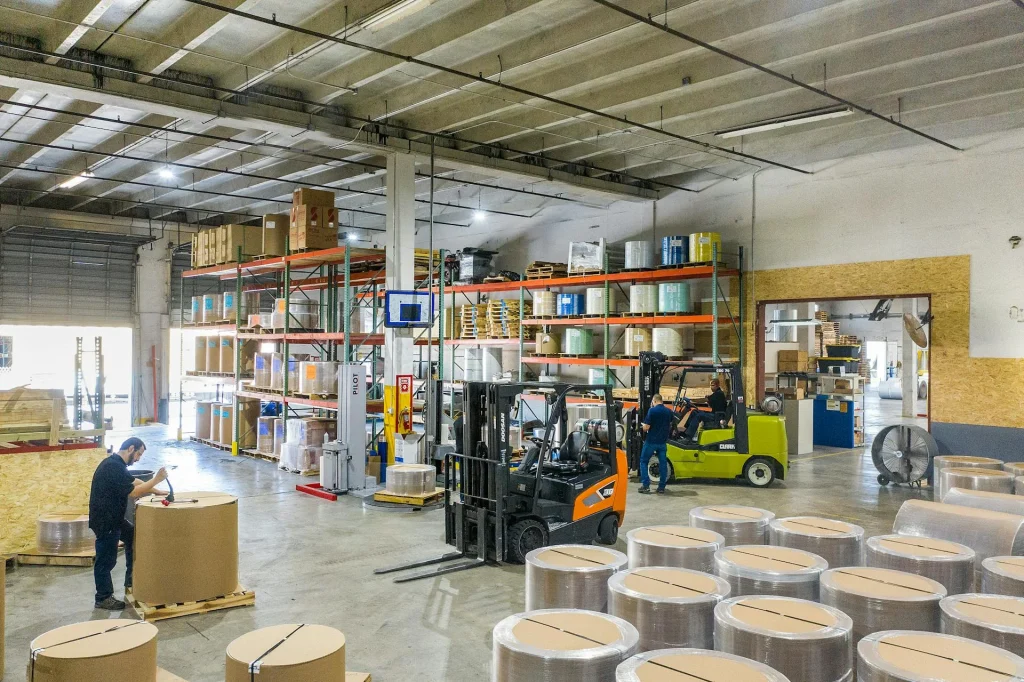
A busy warehouse can quickly slip into disorder. Missed shipments, misplaced inventory, and slow processes often create unnecessary pressure on teams. Small inefficiencies add up and affect costs, customer satisfaction, and daily operations. Many warehouses struggle not because of a lack of effort, but because systems are not set up to support speed and accuracy.
Improving warehouse efficiency does not always require major investments. Clear processes, better organization, and smart maintenance can bring noticeable results. When each part of the operation works as it should, productivity improves, and errors decrease.
If you want to move from confusion to a more controlled and reliable system, this article will guide you.
Prioritize Forklift Maintenance
Warehouse equipment plays a key role in daily operations, and forklifts are often at the center of material handling. When a forklift breaks down, work can come to a halt. Delays in moving goods affect picking, packing, and shipping timelines. Regular maintenance helps prevent these disruptions and keeps operations steady.
Forklift maintenance should follow a planned schedule. Routine checks on brakes, tires, and hydraulic systems can identify issues before they become serious. This is especially important for widely used brands like Moffett, which are known for their performance but still require proper care to stay reliable.
Using authentic replacement parts is just as important as regular servicing. These parts should be purchased from trusted sellers to ensure that the equipment works as intended and meets safety standards. Low-quality or counterfeit parts may seem cheaper at first, but they often lead to more frequent breakdowns and higher repair costs. They can also create safety risks for operators. Choosing genuine parts from reputable suppliers helps protect both the equipment and the people using it.
Implement an Inventory Management System
Keeping track of inventory manually can lead to errors and delays. An inventory management system provides better control by offering real-time updates on stock levels and locations. This reduces the chances of overstocking or running out of essential items.
Technologies such as barcode scanning and RFID systems help improve accuracy. Workers can quickly scan items during receiving, picking, and shipping, which reduces manual entry mistakes. This also speeds up the process and ensures that inventory records stay current. A reliable system allows managers to make informed decisions and respond quickly to changes in demand. Over time, this leads to smoother operations and better use of warehouse space.
Organize Inventory Based on Demand
Not all products move at the same pace, and organizing inventory based on demand can make a significant difference. Fast-moving items should be placed in easily accessible locations, preferably close to packing and shipping areas. This reduces the time spent retrieving them and helps speed up order fulfillment.
Slower-moving items can be stored in less accessible areas without affecting daily operations. This approach makes better use of space and keeps high-demand zones free from congestion. Regularly reviewing product demand is important, as trends can change over time. Adjusting storage locations based on updated data ensures that the system remains effective. When inventory is organized in this way, workers can complete tasks more quickly and with fewer errors.
Train Staff for Efficiency and Accuracy
Even the best systems and layouts will not deliver results without a well-trained team. Employees need to understand how to use equipment, follow processes, and handle inventory correctly. Proper training reduces mistakes and improves overall productivity.
New hires should receive clear onboarding that covers daily tasks and safety practices. Ongoing training is also important, especially when new tools or systems are introduced. Workers who feel confident in their roles tend to work more efficiently and make better decisions. Encouraging accountability and clear communication further supports a smooth workflow.
Training also plays a role in safety. When staff know how to operate equipment correctly and follow procedures, the risk of accidents decreases.
Use Data to Improve Decision-Making
Data plays a quiet but important role in warehouse efficiency. Many operations collect information but do not always use it effectively. Tracking key metrics such as order accuracy, picking time, and equipment usage can reveal where delays are happening. When managers review this data regularly, they can spot patterns and make informed changes.
For example, if picking times are increasing, it may point to layout issues or staffing gaps. If errors are rising, it could indicate a need for better training or system updates. Small adjustments based on real data often bring better results than guesswork. Using data does not require complex systems, but it does require consistency. When decisions are based on clear information, operations become more predictable and controlled.
Improve Picking and Packing Processes
Picking and packing are central to warehouse performance. If these steps are slow or inconsistent, the entire operation suffers.
Some warehouses benefit from batch picking, where multiple orders are handled at once, while others may use zone picking to reduce movement across large spaces.
Clear packing procedures are just as important. Items should be packed in a way that protects them during transit while keeping the process quick and consistent. Standardizing packing steps helps workers complete tasks faster and reduces the chance of errors. It also makes it easier to train new employees.
When picking and packing processes are well organized, orders move out faster and with fewer issues.
Maintain Clean and Clutter-Free Workspaces
A clean warehouse is easier to manage and safer to operate. Clutter can block pathways, slow down movement, and increase the risk of accidents. Workers may waste time navigating around obstacles or searching for tools and materials. Keeping the workspace organized helps avoid these problems.
Regular cleaning schedules should be part of daily operations. This includes clearing aisles, organizing tools, and removing unused items. A tidy environment also makes it easier to spot potential issues, such as damaged goods or equipment leaks. Clean workspaces support both efficiency and safety, creating a more reliable working environment for everyone.
Conduct Regular Performance Reviews
Warehouse operations should not remain static. Regular reviews help ensure that systems continue to perform as expected. These reviews can include checking equipment condition, evaluating staff performance, and assessing process efficiency. Identifying issues early allows for quicker fixes and prevents larger problems. Feedback from staff is valuable during these reviews. Workers often notice small inefficiencies that may not appear in reports. Listening to their input can lead to practical improvements.
Efficiency in a warehouse is not built in a single step. It develops through steady improvements, careful planning, and attention to detail. Each process contributes to the overall flow of operations. When these elements work together, the environment becomes more structured and reliable.
Creating control in a warehouse also means staying responsive. Needs change, demand shifts, and systems must adapt. Businesses that focus on maintaining strong practices while remaining flexible are better prepared to handle challenges. A well-managed warehouse supports growth, reduces stress on teams, and creates a smoother experience across the entire supply chain.
Wait, there’s more to the story. See the connected strategy here at 2A Magazine.