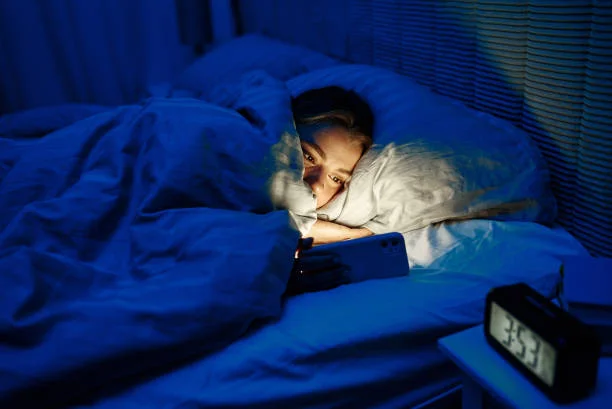
Many people end their day with a few minutes of screen time, whether it is checking messages, watching videos, reading online, or finishing work on a laptop. While these habits may feel relaxing or necessary, exposure to bright screens late at night can make it harder for the body to prepare for sleep.
Blue light from digital devices can affect the body’s natural sleep-wake cycle by influencing melatonin production, the hormone involved in feeling tired at night. Reducing evening exposure does not mean avoiding technology completely. Instead, small changes to nighttime habits can help create a more comfortable environment for rest.
From adjusting device settings to wearing blue light blocking glasses, there are several ways to reduce the effect of evening screen exposure and support a healthier bedtime routine.
Why Blue Light at Night Can Affect Sleep
How Light Exposure Influences the Sleep Cycle
The human body uses light as a signal for staying awake during the day and preparing for sleep at night. Bright light exposure in the evening can send signals that make the brain feel more alert, which may delay the natural process of becoming sleepy.
Screens on phones, tablets, computers, and televisions produce blue wavelengths of light that are especially noticeable to the eyes. When these screens are used close to bedtime, they may interfere with the transition from daytime activity to nighttime rest.
Common Evening Habits That Increase Blue Light Exposure
Many everyday routines involve screen use after sunset. Common examples include:
- Scrolling through social media while lying in bed
- Watching movies or shows late at night
- Answering work emails before sleeping
- Using a laptop for extended periods in the evening
- Keeping bright overhead lights on late at night
These habits are easy to overlook because they are part of modern life. However, making a few adjustments can help reduce unnecessary exposure before bedtime.
Simple Ways to Reduce Blue Light Before Bed
Adjust Screen Settings in the Evening
One of the easiest steps is changing how devices are used at night. Most smartphones, tablets, and computers include settings that reduce blue light output or shift the screen toward warmer colors.
Helpful adjustments include:
- Turning on night mode features
- Lowering screen brightness
- Using warmer display tones in the evening
- Avoiding unnecessary screen use during the final hour before sleep
These changes can make screens more comfortable to view while reducing the amount of bright light entering the eyes at night.
Create a Low-Light Evening Routine
The environment around you can influence how easily your body prepares for sleep. Switching from bright lighting to softer lighting in the evening can create a calmer atmosphere.
Instead of spending the entire evening in front of a screen, consider activities such as reading a physical book, listening to music, stretching, or preparing for the next day. These habits help create a clear separation between daytime responsibilities and nighttime relaxation.
Keep Devices Away From the Bed
Keeping a phone within reach can encourage late-night checking and make it harder to disconnect. Moving devices away from the bed can reduce temptation and create a more sleep-friendly space.
Simple changes include charging your phone across the room, turning off unnecessary notifications, or setting a specific time to stop using devices each night.
How Blue Light Blocking Glasses Can Help Reduce Evening Exposure
Blue light blocking glasses are designed to filter some of the blue wavelengths produced by digital screens and artificial lighting. They are often used by people who spend long periods looking at screens in the evening, including those who work on computers, play video games, or watch shows before bed.
What Blue Light Blocking Glasses Do
These glasses use specially designed lenses that reduce the amount of blue light reaching the eyes. They can be worn while using digital devices as part of a broader nighttime routine.
While glasses are not a replacement for healthy sleep habits, they can be a useful option for people who cannot easily avoid evening screen use.
When to Consider Wearing Them
Blue light blocking glasses may be helpful in situations such as:
- Working on a computer late in the evening
- Studying or completing assignments at night
- Using screens for entertainment before bed
- Spending several hours with digital devices after sunset
The timing of use is important. Many people choose to wear them during the evening hours when they are most likely to use screens.
Choosing the Right Pair
When selecting blue light blocking glasses, comfort and practicality matter. Look for:
- Frames that fit comfortably for extended wear
- Lenses designed for evening screen use
- A style that suits regular use
- A quality option that matches your needs
The best choice is one that fits naturally into your routine and encourages consistent use.
Building a Healthier Pre-Sleep Routine
Combine Multiple Small Changes
Reducing blue light exposure works best when combined with other sleep-friendly habits. Small adjustments can make evenings feel more relaxing without requiring major lifestyle changes.
A balanced nighttime routine may include:
- Dimming lights before bed
- Reducing screen time gradually
- Keeping a regular sleep schedule
- Creating a quiet period before sleeping
Each habit contributes to a smoother transition into rest.
Focus on Long-Term Habits
Changing nighttime routines takes time. Instead of trying to remove all technology use immediately, focus on realistic changes that can be maintained.
For some people, lowering screen brightness may be enough to start. Others may benefit from using blue light blocking glasses or setting stricter limits on evening device use. The goal is to create habits that support better sleep over time.
Conclusion
Reducing blue light before bed can be a simple way to create a more relaxing nighttime routine. Adjusting screen settings, limiting late-night device use, lowering indoor lighting, and creating calming pre-sleep habits can all help reduce evening exposure.
For those who regularly use digital devices at night, blue light blocking glasses can be another tool to consider. When combined with healthy sleep habits, they can help make the transition from screen time to sleep feel easier and more natural.