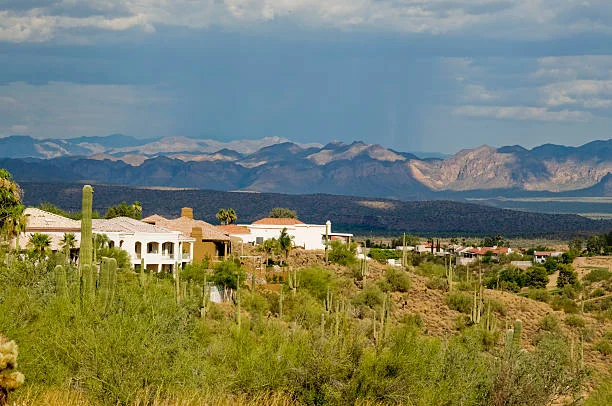
Arizona’s monsoon season runs from June 15 through September 30. For homeowners in the Phoenix metro area, that window brings a predictable but still destructive mix of haboobs, high-wind events, flash flooding, and intense downpours. Preparing before the season starts is straightforward. Waiting until after the first storm is expensive.
Here is what to address before the calendar hits mid-June.
Inspect Every Window Screen and Door Screen
Screens are the first line of defense against monsoon dust. Arizona haboobs carry fine desert particulate that forces through even small gaps, and dust storms in the region have been found to carry valley fever spores, a fungal infection common in disturbed desert soil. A torn or poorly fitting screen offers no real protection against either.
Before June 15, walk your home’s exterior and press on each screen frame. Look for tears, bent corners, or spots where the screen has separated from the frame. Pay particular attention to sliding screen doors, which take more wear than fixed window screens and are often the first to fail.
For homeowners scheduling screen doors in Surprise and the surrounding West Valley, getting the work done in early June means shorter wait times. Screen repair and replacement services book up quickly once the first storms hit and the backlog builds.
Replace Worn Weatherstripping on Exterior Doors
Weatherstripping around exterior doors deteriorates faster in Arizona than almost anywhere else. The combination of UV exposure and extreme temperature swings causes rubber and foam seals to compress and crack, often within a single season. A worn door sweep or frame seal allows both water and fine dust into the home during a monsoon event.
Test weatherstripping by running your hand along the frame of each closed exterior door on a windy day. Any draft indicates a gap that needs attention. The bottom sweep is often the first to wear and the most important to replace before the wet season.
Secure or Remove Loose Items From the Yard
Wind events during Arizona monsoons regularly reach 50 to 60 mph. Patio furniture, potted plants, outdoor decorations, and unsecured equipment become projectiles at those speeds. The standard recommendation is to move loose items inside or into a secured storage area whenever a storm warning is issued, but going into the season with a clear plan reduces scramble time when a haboob appears on the horizon.
Trim back large branches near the roofline. Dead limbs and overextended growth are the most common source of window and screen damage during storms.
Review Your Gutters and Drainage
Monsoon storms can drop significant rainfall in a short period. Clogged gutters and poor drainage around the foundation lead to pooling that can cause long-term structural damage. Check gutters for debris from spring winds, and walk the perimeter of the home after a light rain to identify any areas where water collects near the foundation.
Planning for storm-related repairs before the season starts gives homeowners more time to act on findings and access contractors before demand spikes.
Know Your Home’s Weak Points Before the Season
The most common mistake Arizona homeowners make is reactive preparation. Assessing screens, seals, drainage, and outdoor hazards before June 15 takes a few hours. Addressing the same problems after a storm, when contractors are booked and materials are on backorder, can take weeks and cost significantly more.
Monsoon season in the Phoenix metro is a known event on a known timeline. Treating the preparation as a routine seasonal task rather than an emergency response is the most practical way to protect the home and keep repair costs manageable through September.