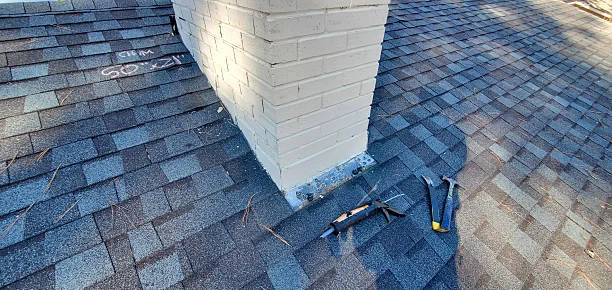
Roof shingles provide one of the first lines of defense between a home and the elements. They help keep rain, wind, sunlight, and debris from reaching the layers underneath the roof. Because shingles are constantly exposed to changing weather, they can eventually develop signs of wear or damage.
Knowing when a damaged shingle needs attention can help homeowners address problems before they spread to other parts of the roofing system. While some issues may be minor, others can indicate broader deterioration that requires professional evaluation.
Understanding the common warning signs can help homeowners make informed decisions about roof maintenance and repairs.
Why Damaged Shingles Matter
A roof is made up of several layers that work together. Shingles form the outer protective surface, while underlayment, decking, flashing, and other components provide additional protection beneath them.
When shingles become cracked, loose, or missing, water may find a path beneath the protective surface. Even a relatively small opening can become a concern if moisture reaches the underlying materials.
For this reason, homeowners should not assume that a small area of visible damage is purely cosmetic. Prompt attention can help determine whether the problem is isolated or connected to a larger roofing issue.
Look for Missing Shingles
Missing shingles are one of the easiest roofing problems to recognize from the ground. Strong winds, severe weather, aging materials, and improper installation can all contribute to shingles becoming loose or detached.
A missing shingle leaves the underlying layers more exposed to rain and other environmental conditions. The surrounding shingles may also be affected if the original problem resulted from broader deterioration.
Homeowners who notice missing shingles should consider having the area inspected rather than simply replacing the visible piece without investigating why it came loose.
Watch for Cracks and Splits
Shingles can develop cracks or splits as they age. Temperature changes, weather exposure, and physical impact can contribute to deterioration.
Small cracks may not immediately result in an interior leak, but they can create vulnerabilities that allow moisture to reach lower roofing layers.
If cracked shingles appear across multiple areas of the roof, the issue may be more extensive than a single damaged section. A professional evaluation can help determine whether localized repairs are appropriate.
Pay Attention to Curling and Buckling
Curling or buckling shingles can indicate that the roofing material is aging or that another underlying issue may be affecting the roof.
Shingles that curl at the edges or appear uneven may be more vulnerable to wind and moisture. In some situations, ventilation, installation, or moisture-related conditions may also contribute to premature deterioration.
Homeowners should avoid trying to flatten or manipulate damaged shingles themselves. A professional can determine the likely cause and recommend an appropriate solution.
Check for Granule Loss
Asphalt shingles contain protective granules that help shield the material from sunlight and weather. Over time, some granule loss is normal, but excessive loss can indicate deterioration.
Homeowners may notice granules accumulating in gutters or downspouts. Large amounts of loose granules can be particularly noticeable after periods of heavy rain.
Granule loss should be considered alongside other factors such as the age and overall condition of the roof. It does not automatically mean the entire system needs replacement.
Understand the Effects of Storm Damage
Severe weather can cause sudden shingle damage. High winds may lift or remove shingles, while hail or falling branches can create cracks, dents, or punctures.
Storm damage is not always easy to see from ground level. A roof may look relatively normal while individual shingles or flashing have been compromised.
After a significant storm, homeowners should watch for new leaks, missing materials, debris, and other changes. A professional inspection can help identify damage that may not be immediately visible.
Know When a Repair May Be Enough
Not every damaged shingle means the roof needs to be replaced. If the surrounding roofing system is relatively new and in good condition, a localized repair may be enough to restore the affected area.
The decision depends on the type of damage, the number of affected shingles, the age of the roof, and the condition of surrounding materials.
For homeowners researching professional shingle repair for damaged residential roofing after severe weather, a thorough assessment can help determine whether a targeted repair is appropriate.
Consider the Age of the Roof
The age of the roofing system is an important factor when evaluating shingle damage. A newer roof with one or two damaged shingles may have many years of useful service remaining.
An older roof with widespread curling, cracking, granule loss, and repeated repairs may tell a different story.
In that situation, repairing individual shingles may provide only a temporary solution if the rest of the roofing system is already deteriorating.
Rather than looking at the damaged shingle in isolation, homeowners should consider the condition and expected remaining life of the entire roof.
Don’t Ignore Flashing and Roof Edges
Shingles are only one part of the roofing system. Flashing around chimneys, skylights, vents, valleys, and roof edges can also affect how effectively the roof keeps water out.
If a shingle is damaged near one of these areas, the underlying problem may involve more than the shingle itself.
A professional inspection can help determine whether flashing, underlayment, or other components also need attention.
Avoid Temporary DIY Fixes
It can be tempting to use roofing cement or other materials to cover a damaged area. While temporary measures may sometimes be useful in an emergency, they do not necessarily address the underlying cause.
Incorrect repairs can also make future professional work more difficult.
Homeowners should use caution when accessing the roof because falls are a significant safety risk. When damage is visible, having it evaluated by a qualified professional is generally safer than attempting an unfamiliar repair.
Schedule an Inspection When Needed
Regular roof inspections can help identify damaged shingles before they lead to more serious problems. Inspections may be particularly useful after severe weather or when the roof is approaching the later part of its expected service life.
A professional can evaluate the condition of the shingles as well as the other components that contribute to roof performance.
This broader assessment can help homeowners understand whether they are dealing with an isolated problem or a sign of more widespread deterioration.
Keep Your Gutters Clean
Gutters can provide useful clues about the condition of an asphalt shingle roof. Excessive accumulation of roofing granules may indicate that the shingles are losing their protective surface.
Keeping gutters and downspouts clear also helps ensure that rainwater can move away from the roof and foundation effectively.
During routine gutter maintenance, homeowners can look for unusual amounts of debris or granules and consider whether further inspection is appropriate.
Make Decisions Based on the Whole Roof
A damaged shingle may be the visible part of a much larger roofing question. Homeowners should consider the age of the roof, extent of damage, history of repairs, weather exposure, and condition of the surrounding materials before deciding what to do.
A localized repair can make sense when damage is limited and the rest of the roof remains in good condition. Replacement may become more appropriate when deterioration is widespread or the system is nearing the end of its service life.
The most useful approach is to evaluate the roof as a complete system rather than focusing on one damaged area.
Protect Your Roof Through Proactive Care
Shingle damage is common, but it should not be ignored. Missing, cracked, curling, or excessively worn shingles can create opportunities for moisture to reach the layers underneath the roof.
Regular inspections, prompt attention to storm damage, clean drainage systems, and professional evaluations can help homeowners stay ahead of developing problems.
By recognizing early warning signs and understanding the difference between localized damage and widespread deterioration, homeowners can make more informed decisions about maintenance and repairs. A proactive approach can help protect the roof’s performance and support the long-term condition of the home.
This version keeps shingle repair natural and prominent while using the long-tail variation once in a way that fits the article rather than sounding forced.