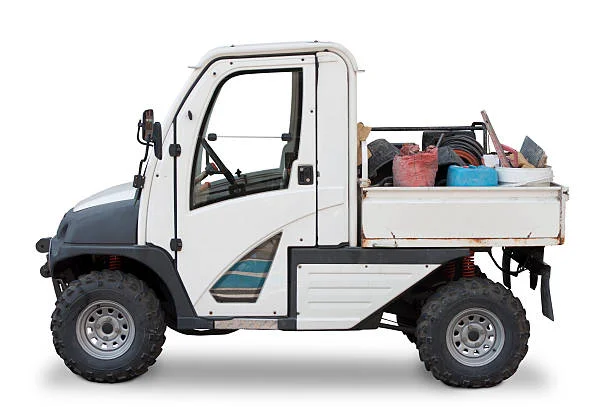
Utility task vehicles, or UTVs, are very useful machines. Whether you use them for farm work, landscaping, or fun, keeping your UTV in good shape is important. These vehicles can help carry tools and equipment. Knowing how to inspect and maintain them can make them last longer and run better.
It’s easy to forget about maintaining a tough-looking vehicle. However, regular checks can stop small issues from turning into expensive repairs. Let’s look at how to keep your UTV in excellent condition over the years.
Regular Inspections
Regular inspections are key to UTV maintenance. Don’t wait for a warning light to check things. Start with a visual inspection every month. Look for signs of wear and tear. Check for scratches or dents that could lead to rust if left unfixed.
Next, check key components such as the tires, brakes, and lights. Make sure the tires are properly inflated and have enough tread. Worn tires can affect performance and safety. The brakes should work smoothly and without strange noises. Also, ensure that all headlights and taillights are functioning well, as good visibility is crucial, especially at night.
Fluid Levels Matter
A key part of UTV vehicle maintenance is regularly checking fluid levels. This includes engine oil, coolant, brake fluid, and transmission fluid. Low fluid levels can cause serious engine problems or overheating, so it is essential to monitor them.
To check the oil, use the dipstick. After running the engine for a few minutes, turn it off and let it sit. Then, pull out the dipstick, clean it, and put it back in. Check the levels against the recommended marks. If it’s low, add the right oil as stated in the vehicle’s manual.
Do the same for the other fluids, ensuring they are at the recommended levels. Regularly change the engine oil and filter according to the manual to help the engine stay healthy for a long time.
Battery Care
Your UTV’s battery needs regular attention. If your vehicle has trouble starting, the battery might be the issue. Check the battery connections for corrosion, and clean them with a baking soda and water solution if needed. Make sure the connections are tight.
You can test the battery voltage with a multimeter. If the voltage is below 12.5 volts, the battery may be losing its charge. If you won’t use your UTV for a long time, consider disconnecting the battery to extend its life. A trickle charger can help keep the battery charged without overcharging it.
Tire Maintenance
Proper tire care is essential. Check tire pressure regularly for the best performance. If you plan to drive off-road, adjust the tire pressure for the terrain you’ll encounter.
Inspect your tires for wear and tear, such as cracks or bald spots. Rotate your tires every few hundred miles to evenly distribute wear and extend their lifespan. Also, ensure your spare tire is in good condition. It’s crucial for emergencies, especially off-road.
Cleaning Tips
Cleaning your UTV isn’t just about looks; it helps with maintenance. Dirt and debris can cause rust or mechanical problems. After a muddy or dusty outing, thoroughly wash your UTV. Use a pressure washer or garden hose and clean the undercarriage and wheel wells, where dirt tends to build up.
For tough spots, use a soft-bristle brush. Inside, wipe down surfaces with a suitable cleaner. A clean UTV runs better and is more enjoyable to use.
Storage Solutions
When the riding season ends, proper storage is key. Store your UTV in a dry, cool place to protect it from bad weather. Use a breathable cover if you can, to keep dust off while allowing moisture to escape.
Remove water and dirt from the vehicle to prevent rust during storage. If your UTV will sit for a long time, do a complete maintenance check and consider adding a fuel stabilizer to keep the fuel from going stale.
Maintaining your UTV doesn’t have to be hard. Regular checks, cleaning, and proper storage can extend your vehicle’s life and improve its performance. By taking care of your UTV, you can save money in the long run and ensure you have a reliable vehicle for all your adventures.
Don’t stop here—see how this applies to your strategy at 2A Magazine.