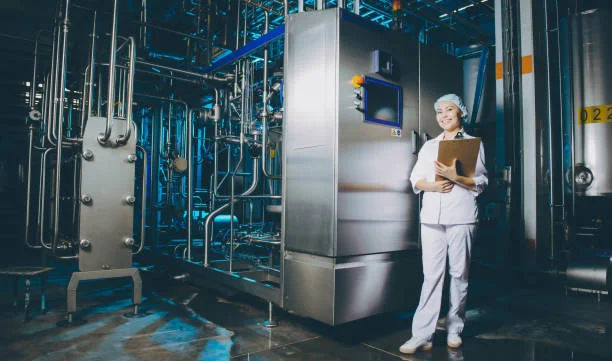
In food processing environments, airflow isn’t something you notice right away, but when it’s not working properly, it quickly becomes a problem. From temperature control to air quality, the way air moves through a facility has a direct impact on both product quality and day-to-day efficiency. One of the first things many facility managers look into is how to explore commercial and industrial ceiling fans as part of a broader airflow strategy. These systems aren’t meant to replace HVAC, but to support it by improving how air is distributed throughout large, open areas. When airflow is consistent, everything from cooling to humidity control becomes easier to manage.
Airflow Is More Than Just Temperature
It’s easy to think of airflow as just a way to cool things down, but in food processing, it plays a much bigger role. Air movement affects moisture levels, helps control contaminants, and keeps working conditions stable across different zones of a facility.
You can end up with hot and cold spots, stagnant air, or areas where humidity builds up without proper circulation. It’s not only uncomfortable but can also impact product consistency and even compliance with safety standards. Evidently, maintaining controlled environmental conditions is essential for food safety and quality. Airflow is a big part of that, even if it’s not always the first thing people think about.
Designing for Consistency Across the Space
Modern food processing facilities are rarely simple, open rooms. They’re made up of different zones, production lines, packaging areas, not to mention storage spaces, and all with their own environmental needs. The challenge is making sure those zones don’t work against each other. Poor airflow design can cause one area to pull air from another in ways that disrupt temperature or cleanliness.
That’s where layout decisions really matter. The placement of equipment, walls, and ventilation systems all absolutely influences how air moves. Not surprisingly, when you add factory ceiling fans into the mix, it can help keep that air circulating more evenly, especially in high-ceiling areas where air tends to settle or separate. Instead of letting warm or humid air collect in certain spots, consistent movement helps maintain a more balanced environment across the entire facility.
Supporting HVAC Systems Instead of Overloading Them
HVAC systems are essential in food processing, but they’re also one of the biggest drivers of energy costs. When airflow isn’t managed well, those systems end up working harder than they should. By improving circulation, facilities can reduce the pressure on heating and cooling systems.
This is where it makes sense to again explore commercial and industrial ceiling fans as part of a long-term efficiency plan. They help extend the reach of existing systems, making them more effective without requiring major upgrades. Over time, that translates into lower energy use and more predictable operating costs, which is something every facility is looking for as they scale.
Energy Efficiency Without Compromising Operations
A lot of the time, efficiency upgrades get met with hesitation because people worry they’ll disrupt production. But airflow is one area where doing things more efficiently usually makes day-to-day operations easier, not harder. When temperatures stay steady, and the air feels consistent across the space, equipment tends to run more smoothly. It also makes a difference for the people on the floor; if the environment is comfortable, it’s easier to stay focused and keep things moving.
The same goes for processes that depend on controlled conditions, like drying, cooling, or packaging. When the air is behaving the way it should, those processes are simply easier to manage. Groups like the International Energy Agency have also noted that improving energy efficiency in industrial settings doesn’t just cut costs—it often helps things run better overall.
Final Thoughts: Thinking Long-Term About Facility Design
What separates newer facilities from older ones is often how intentionally they’ve been designed. Instead of treating airflow as an afterthought, it’s built into the planning process from the beginning. That includes everything from ceiling height and ventilation placement to how air will move around machinery and through different work zones.