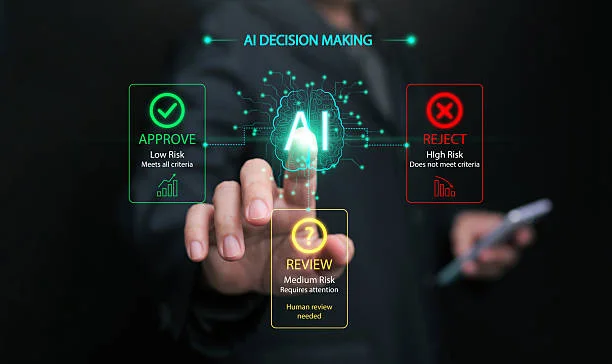
Adopting artificial intelligence (AI) over traditional methods is a significant decision for businesses seeking to remain competitive. A McKinsey Global Survey found that 50% of respondents reported adopting AI in at least one business function, highlighting its growing importance. However, the transition involves evaluating multifaceted impacts on operational processes, costs, and corporate culture.
Indeed, AI has the potential to vastly outperform legacy systems in terms of speed, efficiency, and innovation. This comparative analysis will examine the critical aspects to consider when weighing the benefits of AI integration against traditional methods in business operations. Below, we will dissect key factors, impacts on operations, and how to navigate the challenges inherent in this tech paradigm shift.
AI Integration Versus Traditional Methods in Modern Business
The debate between harnessing AI capabilities and relying on traditional business methods centers on the potential for transformative improvement. AI can analyze large data sets and provide insights at a pace unattainable by human teams, enabling data-driven decision-making that can revolutionize business strategies.
For example, AI applications in customer service, such as chatbots and virtual assistants, can significantly reduce response times and increase customer satisfaction. Companies like Amazon and Netflix use AI to personalize recommendations, enhancing the user experience and increasing engagement and loyalty.
ai integration To decide if AI integration is the right move for your business, begin by identifying areas where data analysis and automation could lead to substantial improvements. Evaluate the compatibility of AI with your existing infrastructure and the readiness of your organization to embrace such changes.
Key Factors Influencing the Decision to Adopt AI Technologies
When considering AI adoption, businesses must assess several key factors, including the technology’s maturity, cost implications, and the organization’s digital readiness. The choice often hinges on whether AI can provide a competitive edge and align with long-term business goals.
An important supporting detail is the alignment of AI with company culture and workforce acceptance. A survey by the MIT Sloan Management Review found that cultural fit is crucial for successful AI adoption. A proactive approach to upskilling and reskilling employees can facilitate a smoother transition to AI-powered processes.
To further evaluate the potential for AI, conduct a cost-benefit analysis comparing the long-term value of AI applications against their traditional counterparts. Consider consulting with AI experts the right way to lead AI decisions for tailored insights on integrating this technology into your business strategies.
Assessing the Impact of AI on Operational Efficiency and Cost
The introduction of AI into business operations often leads to significant improvements in efficiency and a reduction in operational costs. For instance, manufacturing companies report up to a 20% increase in production capacity and a 35% reduction in machine downtime when utilizing predictive maintenance powered by AI.
Additionally, AI can handle repetitive tasks with precision and speed, freeing employees to focus on more strategic and creative work. This not only boosts productivity but can also enhance job satisfaction and reduce employee turnover.
When gauging the impact of AI on your business, start by identifying which processes can be automated or enhanced by AI to yield tangible benefits. Use metrics such as return on investment (ROI) and productivity indicators to measure the advantages of AI and justify the financial and resource allocation.
Navigating the Challenges and Risks of AI Implementation vs. Traditional Approaches
Integrating AI is not without its challenges and risks. Key concerns often involve data privacy, cybersecurity, and the potential for job displacement. It’s crucial to develop a strategic plan that addresses these issues and to ensure compliance with relevant regulations and ethical standards.
Moreover, implementing AI technology demands substantial investment in terms of capital, time, and training. The risk of failure or underperformance can be high if expectations are not managed or if the AI solution is not adequately tailored to the business context.
The mitigation of these risks requires thorough research, careful planning, and a phased implementation strategy. It is advisable to start with pilot projects that allow for evaluation and adjustments before full-scale deployment. Integrating change management practices will also help in overcoming resistance and ensuring organizational alignment.
In conclusion, the choice between AI integration and traditional methods necessitates a comprehensive evaluation of factors such as efficiency gains, competitive advantage, and readiness for change. Businesses must thoroughly weigh the benefits and drawbacks, considering both potential risks and transformative opportunities. Making an informed decision on AI adoption is indispensable for future-proofing enterprises in an ever-evolving technological landscape.