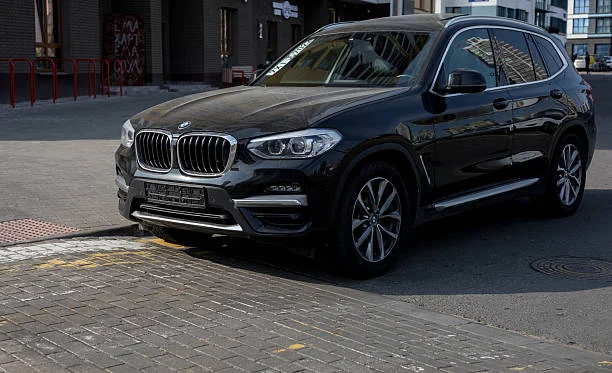
Some car brands are known for one great model or a memorable decade. BMW has managed to stay recognizable through more than a century of enormous changes in transportation. The German company has built motorcycles, sports cars, sedans, family SUVs and electric vehicles while maintaining a distinct identity. That history helps explain why a BMW from decades ago can share the road with a brand-new model and still look unmistakably related. For families, enthusiasts and everyday drivers, BMW’s staying power comes down to more than a familiar badge.
It Started With Engineering
BMW’s roots stretch back to 1916 and companies involved in aircraft and aircraft-engine manufacturing. After World War I, the business expanded into other forms of transportation, eventually introducing the R 32 motorcycle in 1923. The R 32 used a boxer engine and shaft drive, elements that became closely associated with BMW motorcycles and helped establish the company as a serious vehicle manufacturer. BMW then entered automobile production in 1928, beginning another chapter in its history.
That early progression matters because BMW did not begin as a company focused primarily on styling or status. Engineering was central to its identity from the start. The brand moved from aircraft-related technology to two wheels and then four, carrying an emphasis on mechanical design through each transition. That foundation helped create the performance-oriented reputation that would eventually become one of BMW’s defining characteristics.
The Design Became Recognizable
You do not necessarily need to see the badge to identify many BMWs. One reason is the kidney-shaped grille, which has become one of the automotive industry’s most recognizable design elements. BMW traces the feature to the 303, introduced in 1933. Although its proportions have changed dramatically over the decades, the basic two-part grille has remained a recurring visual signature.
BMW also developed a broader design language that tends to favor recognizable proportions and a driver-focused character. Individual models have evolved with changing tastes, technology and safety requirements, but the company has generally avoided abandoning its visual identity altogether. That continuity gives older BMWs an immediate connection to newer ones. For a brand with such a long history, maintaining that family resemblance without simply reproducing old designs is a large part of its appeal.
It Grew With Families
BMW built much of its reputation around sedans, coupes and performance cars, but changing family preferences required something different. The company unveiled the X5 in 1999 as its first Sports Activity Vehicle, BMW’s preferred name for its SUV-style models. The first-generation X5 ultimately reached more than 616,000 units of production, and its success helped establish an entire family of X vehicles.
That expansion changed what owning a BMW could look like. Parents who wanted more cargo room, higher seating and everyday practicality no longer had to leave the brand’s lineup to get them. Today, shoppers considering new BMW SUVs have options spanning different sizes and needs rather than a single utility model.
The shift also helped BMW become relevant to more stages of life. A driver might first associate the badge with a sporty coupe, later need space for car seats and sports equipment, and eventually want a comfortable vehicle for long family trips. BMW broadened its range without completely separating those vehicles from the driving characteristics and styling associated with the rest of the brand.
Performance Stayed Part of It
BMW’s reputation has long been tied to the experience behind the wheel. That does not mean every BMW is a sports car, but performance has influenced how the company approaches everything from compact models to larger family vehicles. Engines, steering, chassis development and weight distribution have all played roles in building that identity.
The company has also created vehicles for drivers who want considerably more performance through BMW M, while mainstream models have continued to balance comfort with responsive handling. This gives the brand room to serve very different households without making every vehicle feel interchangeable.
That balance matters in family life because practicality does not automatically erase the desire to enjoy driving. A vehicle can carry groceries, luggage and children while still being engaging on a winding road. BMW recognized that combination early in the rise of premium SUVs, and it remains an important reason the brand can appeal to enthusiasts who also need genuinely useful daily transportation.
BMW Keeps Reinventing Itself
Longevity in the automotive industry requires more than protecting old traditions. BMW has repeatedly adapted its technology and lineup as expectations changed. In 2013, the company launched the all-electric i3, using an aluminum chassis and carbon-fiber-reinforced passenger structure in an unusually ambitious approach to electric mobility for the period.
That willingness to experiment continues as electrification becomes a larger part of the automotive market. Yet BMW still faces the same challenge it has navigated for generations: adopting new technology without making its vehicles feel disconnected from the badge on the hood.
That may be the simplest explanation for BMW’s iconic status. The company has changed enormously since 1916, but it has maintained recognizable threads through its engineering, design and approach to driving. From motorcycles and classic sedans to family SUVs and electric vehicles, BMW has found ways to evolve without starting over every time the automotive world changes.