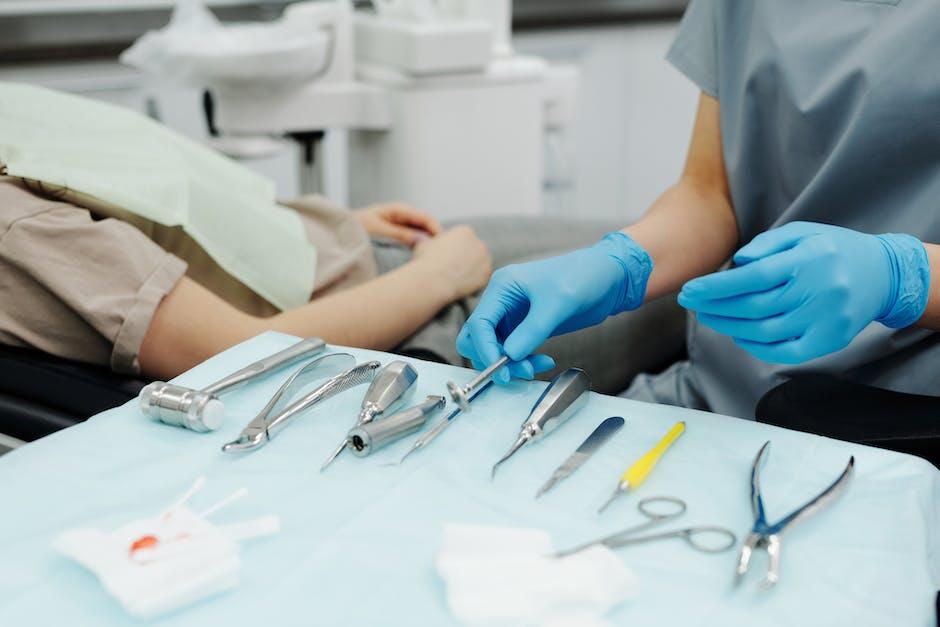
Dental emergencies can happen at any moment. A sudden toothache, broken tooth, or injury to the mouth can quickly become painful and stressful. These problems may affect your ability to eat, speak, or sleep comfortably. In some cases, quick action can save a tooth and prevent serious damage.
Many people feel nervous during dental emergencies because they do not know what to do first. Understanding the right steps can help you stay calm and make better decisions. Even simple actions can reduce pain and protect your oral health until professional treatment is available.
This guide shares essential tips for dealing with a dental emergency. These tips can help you handle common dental problems safely and improve your chances of recovery.
Stay Calm and Assess the Situation
The first thing you should do during a dental emergency is stay calm. Panic can make the situation feel more serious and harder to manage. When people panic, they may rush or make decisions that worsen the problem. Taking a few slow breaths can help you think more clearly and focus on the right steps.
Once you feel calmer, carefully examine the problem. Check for bleeding, swelling, loose teeth, broken teeth, or severe pain. Try to understand what caused the issue and whether other injuries may also be involved. For example, if the injury happened after a fall or accident, there could also be jaw or facial injuries that need medical attention.
If a child experiences a dental emergency, staying calm becomes even more important. Children often react to the emotions of adults around them. A calm response can help them feel safer and reduce fear during the situation. Speaking gently and reassuring them can make the experience less stressful.
Assessing the situation properly also helps you decide how urgent the problem is. Some issues can wait a few hours, while others require immediate treatment. Understanding the severity of the injury helps you know whether to call a dentist right away or seek emergency medical care.
Control Bleeding as Soon as Possible
Bleeding is common during many dental emergencies. Injuries to the gums, tongue, cheeks, or teeth can cause significant bleeding. Controlling it quickly is important because excessive blood loss can increase stress and discomfort.
Use clean gauze or a soft cloth and place it directly over the bleeding area. Apply gentle but steady pressure for several minutes. Avoid checking the area too often because removing the gauze repeatedly may slow down clotting. If the cloth becomes soaked, replace it with a clean one while continuing to apply pressure.
Cold compresses can also help reduce bleeding and swelling. Place the compress on the outside of the mouth or cheek near the injury. The cold temperature helps narrow blood vessels, which can slow bleeding naturally.
If bleeding continues for a long time or becomes very heavy, seek professional care immediately. Persistent bleeding may indicate a deeper injury that requires urgent treatment. Never ignore severe bleeding because it can become dangerous.
Rinse Your Mouth Carefully
Rinsing your mouth is an important step after a dental injury. It helps remove blood, dirt, food particles, and bacteria from the affected area. Keeping the mouth clean lowers the risk of infection and may reduce irritation.
Warm water is usually the best choice because it feels gentle and soothing. Avoid very hot or icy water because extreme temperatures can increase pain and sensitivity. Swish the water gently around the mouth without applying too much force.
Salt water rinses can also be helpful in some situations. Mixing a small amount of salt with warm water may help reduce bacteria and support healing. However, rinsing should always be gentle because aggressive rinsing can disturb injured tissue or blood clots.
Cleaning the mouth carefully can improve comfort while waiting for professional treatment. It is a simple but important step during many dental emergencies.
Save a Knocked-Out Tooth Properly
A knocked-out tooth is one of the most serious dental emergencies. Fast and careful action gives the best chance of saving the tooth. When handling the tooth, always hold it by the crown, which is the visible top part. Avoid touching the root because it contains delicate tissue needed for reattachment.
If the tooth is dirty, rinse it gently with clean water. Do not scrub it, use soap, or dry it with a towel. Rough handling can damage important tissue on the root.
If possible, place the tooth back into the socket carefully and hold it in place by gently biting down on gauze. If you cannot do this, keep the tooth moist by placing it in milk or saliva until you reach the dentist. Never leave the tooth dry because this reduces the chance of saving it.
Time is extremely important. Teeth have a much better chance of survival when treated quickly. Try to get professional care as soon as possible after the injury.
Use Cold Compresses to Reduce Swelling
Swelling often develops after dental injuries, infections, or trauma to the mouth. Cold compresses are one of the easiest ways to reduce swelling and discomfort. Wrap ice in a cloth or towel and place it gently against the outside of the face near the affected area.
Never place ice directly on the skin because this may cause irritation or damage. Use the compress for about 15 minutes at a time with short breaks between applications.
Cold temperatures help reduce inflammation and numb the area slightly, which may ease pain temporarily. This simple step can make waiting for treatment more comfortable.
However, severe swelling should never be ignored. Swelling that spreads to the jaw, neck, or face may indicate infection or a more serious condition that requires urgent care.
Avoid Hard or Sticky Foods
After a dental injury, certain foods can make the problem worse. Hard foods like nuts, chips, and ice may crack weakened teeth further. Sticky foods like caramel or chewing gum can pull on crowns, fillings, or damaged teeth.
Soft foods are usually the safest choice until you receive treatment. Soup, yogurt, mashed potatoes, rice, eggs, and smoothies are easier to eat without causing pain.
Try chewing on the opposite side of the mouth if possible. This reduces pressure on the injured area and lowers the risk of more damage. Drinking water regularly also helps keep the mouth clean and comfortable.
Being careful with food choices can prevent unnecessary pain and protect the affected teeth while healing begins.
Take Pain Relief Safely
Pain is one of the most common symptoms during dental emergencies. Over-the-counter pain medicine may help reduce discomfort temporarily while waiting for treatment. Always follow the directions on the label carefully and avoid taking more than recommended.
Never place aspirin or pain medicine directly against the gums or teeth. Some people try this, but it can irritate or damage the soft tissue inside the mouth.
Pain that becomes severe or lasts a long time should not be ignored. Strong pain often signals infection, nerve damage, or serious tooth problems. If pain medicine does not help, contact a dentist immediately.
Managing pain safely can make the situation more comfortable, but professional care is still important to treat the actual problem.
Protect Broken or Chipped Teeth
Broken or chipped teeth are common during sports injuries, falls, or accidents. Even small chips should be treated carefully because cracks can spread over time.
Rinse the mouth gently and collect any broken tooth pieces if possible. A dentist may use them during repair. Sharp edges can cut the tongue or cheeks, so dental wax may help cover rough areas temporarily.
Avoid chewing with the damaged tooth because pressure can make the crack worse. Some broken teeth expose sensitive inner layers that increase pain when eating or drinking.
Quick treatment can prevent further damage and improve the chances of restoring the tooth successfully.
Know When to Call a Dentist Immediately
Some dental problems require urgent professional treatment. Severe pain, swelling, knocked-out teeth, and uncontrolled bleeding should never wait too long. Delaying care may lead to infection or permanent damage.
Call your dentist as soon as possible and explain your symptoms clearly. This helps the office understand how urgent the situation is.
In some cases, you may need an appointment for emergency dental careto receive fast treatment and pain relief. Early care often improves recovery and prevents complications.
Even if the problem seems small, it is better to ask a dentist for advice rather than ignore the issue completely.
Watch for Signs of Infection
Dental infections can become dangerous when left untreated. Common signs include swelling, fever, pus, bad taste in the mouth, and severe pain. Infections may start from untreated cavities, gum disease, or injuries.
Infections can spread to other parts of the body if ignored. This is why fast treatment is important. Keeping the mouth clean with gentle rinsing may help temporarily, but professional care is still necessary.
Dentists may prescribe antibiotics or perform treatments to remove the source of infection. Never ignore swelling or fever connected to dental pain because these symptoms may signal a serious problem.
Handle Lost Fillings or Crowns Carefully
Crowns and fillings sometimes fall out unexpectedly. This can expose sensitive parts of the tooth and make eating uncomfortable.
If you still have the crown or filling, keep it safe and bring it to your dental appointment. Temporary dental cement from a pharmacy may help protect the area for a short time.
Avoid chewing sticky or hard foods because exposed teeth are more vulnerable to damage. Keep the area clean and contact your dentist for repair as soon as possible.
Ignoring lost restorations can lead to more serious tooth damage later.
Be Careful With Jaw Injuries
Jaw injuries can happen after sports accidents, falls, or car accidents. Pain, swelling, or trouble opening and closing the mouth may indicate a serious issue.
Apply a cold compress to reduce swelling while waiting for treatment. Avoid moving the jaw too much because movement may worsen the injury.
Some jaw injuries require medical attention in addition to dental treatment. Severe pain or changes in jaw alignment should never be ignored.
Keep a Dental Emergency Kit at Home
A dental emergency kit can help you respond quickly during unexpected situations. Keeping supplies ready reduces panic and saves time.
Your kit may include gauze, dental wax, disposable gloves, pain relievers, a small container, and cold packs. Salt packets and a flashlight can also be useful.
Families with children should especially keep emergency supplies available because accidents are common during play and sports activities.
Wear Mouthguards During Sports
Sports injuries are a major cause of dental emergencies. Mouthguards help protect teeth from impacts during physical activities.
Children and adults who play contact sports should wear mouthguards during games and practices. Custom mouthguards often provide the best fit and protection.
Helmets and face guards may also help reduce facial injuries. Prevention is always easier and less costly than emergency treatment.
Avoid Using Teeth as Tools
Many people damage teeth by using them to open bottles, tear packaging, or bite hard objects. Teeth are designed for chewing food, not acting as tools.
These habits increase the risk of cracks, chips, and broken teeth. Avoid chewing on ice, pens, or hard candy as well.
Using scissors or proper tools instead protects your teeth from unnecessary damage.
Maintain Good Oral Hygiene and Regular Checkups
Good oral hygiene lowers the risk of many dental emergencies. Brushing twice daily, flossing, and limiting sugary foods help keep teeth strong and healthy.
Regular dental visits allow dentists to identify problems early before they become emergencies. Small cavities and weak fillings are easier to treat when found early.
Healthy habits and routine care reduce the chances of sudden pain, infections, and serious dental problems.
Deal With a Dental Emergency the Right Way
Dental emergencies can happen unexpectedly and cause a lot of stress and discomfort. Knowing how to respond quickly can protect your teeth and reduce pain. Simple steps like controlling bleeding, protecting broken teeth, and seeking treatment early can improve the outcome significantly.
Understanding these emergency tips also helps you feel more prepared and confident during difficult situations. Good oral care, regular checkups, and fast action during emergencies can help protect your smile and overall health for many years.
If you’d like to learn more, check out more articles on our blog.