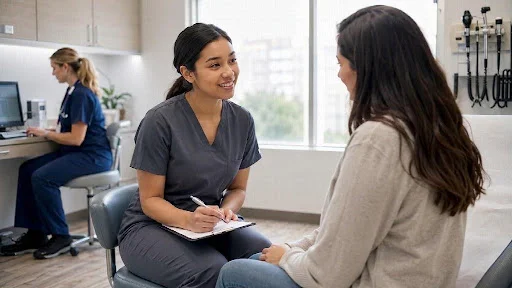
The healthcare industry in the United States continues to grow, creating new opportunities for individuals interested in patient care and medical support careers. Among the many healthcare professions available today, Medical Assistant has become one of the most popular entry-level career paths for people who want to work directly with patients while supporting physicians and healthcare teams.
However, becoming a successful Medical Assistant requires more than completing a training course. Professionals in this field need a combination of clinical knowledge, technical abilities, communication skills, and hands-on experience to perform their responsibilities effectively.
Whether working in a private medical office, hospital, outpatient clinic, or specialty healthcare facility, Medical Assistants play an important role in improving patient experiences and helping healthcare providers operate efficiently.
What Does a Medical Assistant Do in the United States?
A Medical Assistant is a healthcare professional who supports both the clinical and administrative operations of medical facilities. Their responsibilities often depend on the size and type of healthcare organization where they work.
In many medical offices, Medical Assistants perform a combination of front-office and back-office duties, including:
- Greeting and preparing patients
- Recording patient information
- Measuring vital signs
- Preparing examination rooms
- Assisting physicians during procedures
- Managing medical records
- Scheduling appointments
- Communicating with patients
- Supporting basic clinical procedures
Because Medical Assistants often interact with patients before, during, and after examinations, they are considered an important connection between patients and healthcare providers.
Clinical Skills Every Medical Assistant Should Develop
One of the most important parts of Medical Assistant training is developing strong clinical skills. Medical Assistants must understand basic healthcare procedures and be comfortable working in a medical environment.
Taking Vital Signs
Measuring vital signs is one of the most common responsibilities of Medical Assistants.
Professionals must understand how to accurately measure:
- Blood pressure
- Pulse rate
- Temperature
- Respiratory rate
- Patient weight
Accurate vital signs provide physicians with important information about a patient’s condition and help support medical decision-making.
Understanding Medical Terminology
Healthcare environments use specialized terminology every day. Medical Assistants must understand common medical words, abbreviations, and documentation practices.
Knowledge of medical terminology helps assistants:
- Communicate effectively with healthcare professionals
- Understand patient records
- Document information correctly
- Avoid errors in medical environments
Basic Laboratory and Clinical Procedures
Depending on their workplace, Medical Assistants may assist with various clinical procedures, such as:
- Preparing patients for examinations
- Collecting basic laboratory samples
- Performing administrative preparation for tests
- Maintaining infection control standards
Strong technical training allows Medical Assistants to feel confident when supporting healthcare teams.
Communication Skills: One of the Most Important Medical Assistant Abilities
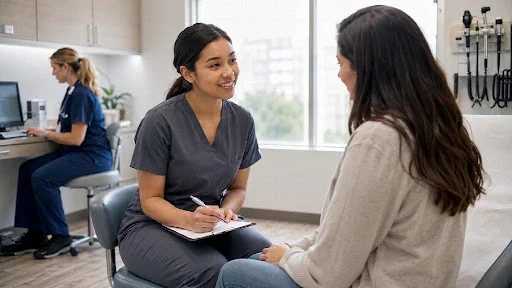
Healthcare is not only about medical procedures. Patient interaction is a major part of the Medical Assistant role.
Many patients feel nervous before medical appointments, especially when dealing with illness or unfamiliar procedures. A successful Medical Assistant needs the ability to communicate clearly and create a comfortable environment.
Important communication skills include:
- Active listening
- Professional conversation
- Patient education
- Emotional support
- Respectful interaction
Medical Assistants must also communicate effectively with doctors, nurses, office managers, and other healthcare professionals.
Organization and Attention to Detail in Medical Offices
Medical environments require accuracy and organization. A small mistake in patient records, scheduling, or documentation can create unnecessary problems.
Medical Assistants need strong organizational skills to manage tasks such as:
- Updating medical records
- Preparing documentation
- Managing appointment information
- Organizing examination rooms
- Following healthcare procedures
The ability to prioritize multiple responsibilities is especially important in busy clinics where many patients are treated every day.
Technology Skills for Modern Medical Assistants
Healthcare has become increasingly dependent on technology. Modern Medical Assistants must understand how to work with digital systems used in medical offices.
Common technology skills include:
- Electronic Health Records (EHR)
- Medical scheduling software
- Patient information systems
- Digital documentation tools
As healthcare continues to evolve, technology knowledge has become an essential skill for professionals entering this field.
The Importance of Hands-On Training for Future Medical Assistants
While classroom education provides important knowledge, practical experience is one of the most valuable parts of Medical Assistant preparation.
Students who receive hands-on training have the opportunity to practice real workplace skills before entering the job market.
A quality Medical Assistant program typically combines:
- Classroom instruction
- Clinical laboratory practice
- Medical equipment training
- Patient interaction exercises
- Externship opportunities
This approach helps students develop confidence and understand what daily work in a medical facility is really like.
Top Medical Assistant Schools and Training Options in the United States
Students interested in becoming Medical Assistants have many educational options across the United States. The right school depends on factors such as location, curriculum, hands-on opportunities, and career support.
Some well-known healthcare training institutions include:
California Healing Arts College (CHAC)
California Healing Arts College is a healthcare-focused career school located in Carson, California. The college offers career-oriented programs designed to prepare students for healthcare professions, including Medical Assistant training.
The Medical Assistant program at CHAC combines online lectures with hands-on campus laboratory training. Students learn both clinical and administrative skills, including vital signs, injections, EKG procedures, medical records, insurance coding basics, and healthcare communication.
The program also includes a 240-hour externship in an affiliated clinical setting, allowing students to gain experience in a real healthcare environment before graduation.
With its focus on practical skills and workplace preparation, CHAC is one example of a career-focused school designed for students who want to enter the healthcare field with real-world experience.
Other Healthcare Training Schools
Across the United States, students can also find Medical Assistant programs through vocational schools, community colleges, and healthcare career institutions.
When comparing programs, students should consider:
- Accreditation status
- Clinical training opportunities
- Instructor experience
- Program length
- Externship availability
- Career support services
A program that provides practical experience can help graduates transition more smoothly into professional healthcare environments.
Soft Skills That Make a Successful Medical Assistant
Technical knowledge is important, but successful Medical Assistants also rely on strong personal qualities.
Some of the most valuable soft skills include:
Compassion
Medical Assistants work with people who may be experiencing health concerns, stress, or uncertainty. Compassion helps create a positive patient experience.
Adaptability
Every day in healthcare can be different. Medical Assistants must be able to adjust to changing schedules, patient needs, and workplace situations.
Teamwork
Healthcare depends on collaboration. Medical Assistants work closely with doctors, nurses, administrative teams, and other professionals.
Professionalism
Maintaining confidentiality, respecting patients, and following healthcare standards are essential parts of the profession.
Is Medical Assistant a Good Career Choice in the U.S.?
For individuals interested in healthcare, becoming a Medical Assistant can provide an opportunity to start a meaningful career without spending many years in school.
The profession offers opportunities to work in different healthcare environments, including:
- Physician offices
- Clinics
- Specialty practices
- Outpatient centers
- Healthcare organizations
Medical Assistant training can also serve as a foundation for individuals who want to continue their education and advance into other healthcare careers in the future.
Choosing the Right Medical Assistant Program
Selecting the right training program is one of the most important decisions for future Medical Assistants.
Before enrolling, students should evaluate:
- Does the program include hands-on training?
- Are students able to practice clinical skills?
- Does the school provide externship opportunities?
- Does the curriculum match current healthcare needs?
- Does the program prepare students for real workplace responsibilities?
A strong educational foundation can make a significant difference when entering the healthcare workforce.
Medical Assistants are an essential part of the U.S. healthcare system. Their combination of clinical skills, communication abilities, and patient support helps medical teams provide better care.
For anyone interested in this career path, developing the right skills and choosing a practical training program are important steps toward success.
Schools that focus on hands-on education, real clinical experience, and workplace preparation can help students build the confidence needed to begin their healthcare careers.
As healthcare continues to grow, trained Medical Assistants will remain an important part of medical teams across the United States.