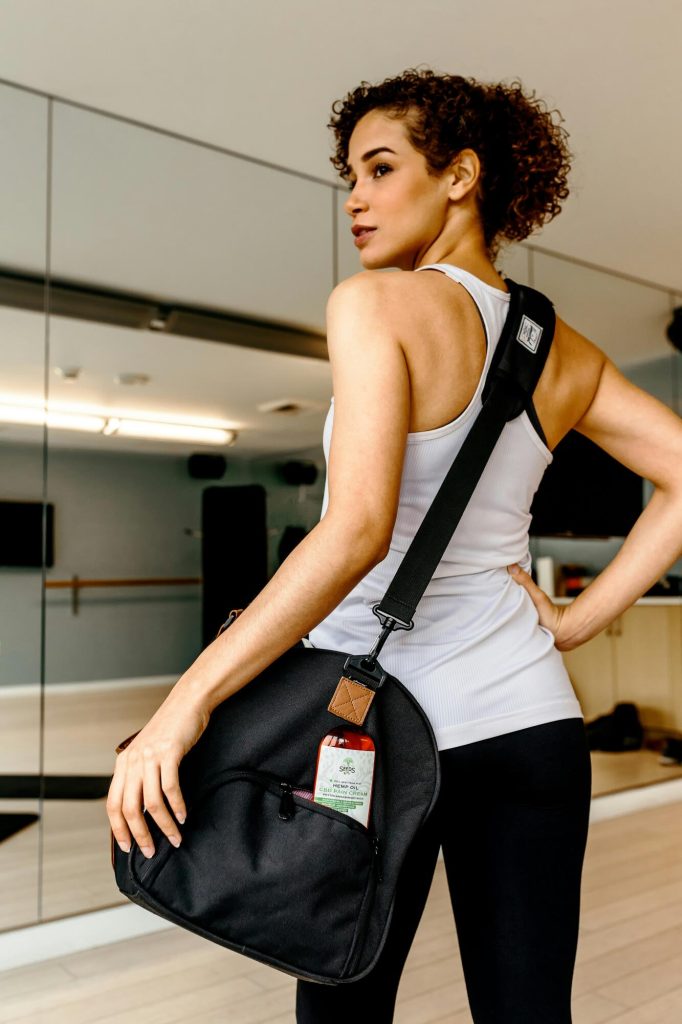
Clothing affects more than appearance. The way clothes fit, stretch, and move can also influence comfort during the day. Tight waistbands, stiff fabrics, and poor footwear may lead to pressure, rubbing, or tired muscles.
Ergonomic fashion focuses on clothing that works with the body. These clothes are designed to support movement, reduce strain, and still look stylish. With the right pieces, people can build a wardrobe that supports both health and personal style.
Understand How Ergonomic Fashion Works
Ergonomic fashion is designed around the natural shape and movement of the body. It focuses on comfort, support, and easy motion.
Traditional clothing may place style before function. A piece can look attractive but feel stiff, heavy, or hard to move in. Ergonomic clothing tries to avoid these problems.
Designers may use stretch panels, soft seams, adjustable straps, and shaped cuts. These features can help the clothing fit better without feeling tight.
Good ergonomic design should allow the body to bend, sit, walk, and reach with less pressure. It should support the wearer without forcing the body into an uncomfortable position.
Choose Clothes That Support Daily Comfort
Supportive clothing can make daily tasks feel easier. It may reduce rubbing, pressure, and tiredness during work, travel, or exercise.
Helpful features may include:
- Flexible waistbands
- Soft inner seams
- Adjustable straps
- Supportive shoe soles
- Stretch fabric panels
Supportive shoes are especially important. Good arch support and cushioning can reduce stress on the feet, knees, and lower back.
Tops with adjustable straps or easy closures may also help people with limited arm movement. Someone recovering from shoulder surgery may find loose sleeves, front openings, and soft fabrics easier to manage during recovery.
The best clothing should fit the person’s body, needs, and daily routine.
Select Breathable and Flexible Fabrics
Fabric choice plays a major role in comfort. Breathable materials can help control heat and moisture, while stretch fabrics support movement.
Cotton blends are soft and often easy to care for. Moisture-wicking fabrics can help keep the skin dry during exercise or warm weather.
Spandex and similar materials add stretch to shirts, pants, and activewear. A small amount of stretch can make clothes easier to move in without changing their shape.
Avoid fabrics that feel rough, heavy, or too stiff. These materials may rub the skin or limit motion.
Build a Useful and Stylish Wardrobe
An ergonomic wardrobe does not need to look plain. Many brands now offer supportive clothing in modern colours, cuts, and styles.
Start with items you wear often. This may include comfortable pants, soft tops, supportive shoes, and light jackets.
Look for pieces that can be mixed and matched. Neutral colours and simple shapes can create several outfits from a small number of items.
High-waisted pants may offer gentle support around the middle, but they should not feel too tight. Tops with adjustable features can provide a more personal fit.
Conclusion: Dress for Better Comfort Every Day
Ergonomic fashion combines support, movement, and style. Flexible fabrics, useful features, and proper fit can help reduce discomfort during daily life.
Focus on clothes that match your body and routine rather than following every trend. Choose breathable materials, supportive shoes, and pieces that allow easy movement.
Explore local shops and online brands that offer comfort-focused clothing. A thoughtful wardrobe can help you feel more confident, move more freely, and stay comfortable throughout the day.