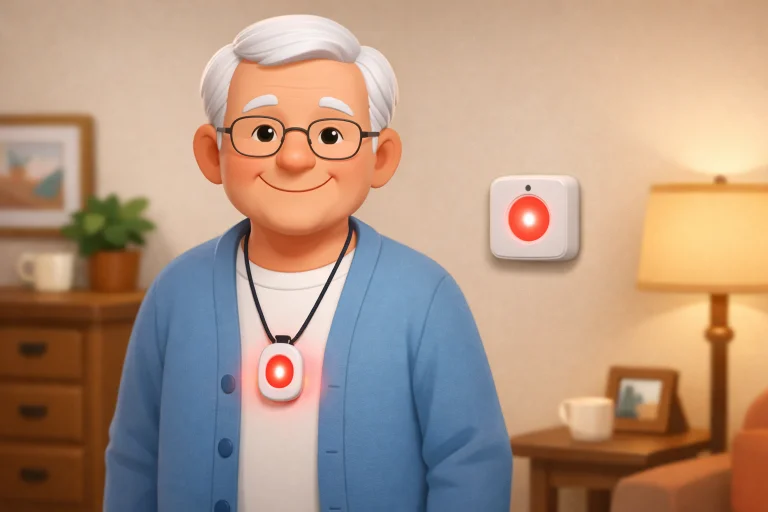
Maintaining independence is essential for many seniors, especially when living alone. However, safety concerns can often become barriers to confident, independent living. Emergency call buttons address this challenge by enabling seniors to access immediate assistance whenever needed, making them a vital part of a comprehensive safety plan. Devices such as the modern help alert system are tailored to meet the needs of older adults, empowering them to age comfortably in place with greater security.
An emergency call button provides peace of mind, knowing that help is just a button press away. Whether worn as a pendant or installed strategically around the home, these devices bridge the gap between independence and safety by instantly connecting seniors to emergency services or caregivers. Their presence helps seniors and their families feel more secure, knowing that a potentially life-saving resource is always accessible.
Choosing the right emergency call button is more than selecting a simple gadget. It involves considering individual health needs, daily routines, and lifestyle patterns. Innovations in technology have added features like automatic fall detection and GPS tracking, making these devices even more effective. Seniors and their families gain the confidence to pursue daily activities, knowing a reliable safeguard is in place to respond to any emergency.
Emergency call buttons also cater to various preferences and mobility levels. Thanks to a wide range of options on the market, seniors can select the form that best fits their needs, ensuring comfort and usability without sacrificing safety.
Understanding Emergency Call Buttons
Emergency call buttons are designed to summon help when a senior cannot reach a phone or needs urgent assistance. When activated, these devices usually connect the user to a 24/7 monitoring center, emergency responders, or pre-selected contacts who can send help immediately. For seniors facing medical emergencies, falls, or accidents at home, this rapid response capability can greatly reduce the risk of severe injury or prolonged distress.
Types of Emergency Call Buttons
There is no one-size-fits-all solution. Seniors can choose from several types of emergency call buttons designed for various levels of mobility and living environments:
- Wearable Devices: These include pendants and wristbands that can be worn throughout the day and night. Wearables enable users to carry their lifeline wherever they go, ensuring immediate help is always accessible.
- Wall-Mounted Units: Permanent fixtures installed in high-risk areas such as bathrooms, hallways, or bedrooms. They offer easy access in spaces where accidents are most likely to occur.
- Mobile Systems: Portable devices equipped with GPS technology, ideal for active seniors who enjoy outdoor activities or errands, allowing them to call for help wherever they are.
Key Features to Consider
When evaluating emergency call buttons, consider essential features that enhance safety and user experience:
- Automatic Fall Detection: Certain models use sensors to automatically detect falls and alert emergency services, even if the user is unable to press the button. Read more about medical alert technology on AARP.
- GPS Tracking: Vital for mobile devices, GPS enables emergency personnel to quickly locate individuals, regardless of their location.
- Two-Way Communication: A built-in speaker and microphone allow the user to converse directly with responders, providing immediate context and reassurance.
- Waterproof Design: To address the common risk of bathroom falls, waterproof models can be worn while bathing or showering.
Benefits of Emergency Call Buttons
Enhanced safety for seniors is achieved through devices that connect directly to emergency assistance, reducing the consequences of accidents. These technologies promote increased independence, enabling seniors to live at home longer without needing constant supervision. Families and caregivers experience peace of mind, knowing their loved ones can access emergency help anytime. Implementing such devices results in faster response times, enabling quicker interventions that can enhance recovery and health outcomes. For detailed information on senior safety and elder care technology, Mayo Clinic offers valuable resources on home modifications and aging-in-place strategies.
Choosing the Right Emergency Call Button
- Evaluate Lifestyle: Consider the user’s daily habits. Those who travel or exercise outside the home may need mobile systems, while others may prefer a home-based device.
- Assess Health Conditions: Individuals with a history of falls or chronic medical conditions should prioritize features such as fall detection and wearable access.
- Check Compatibility: Ensure the chosen system integrates with home telephones, mobile networks, or smart devices, and confirm it operates effectively in your geographic location.
- Read Reviews: Seek out user experiences and expert reviews to identify products known for reliability, rapid response, and high-quality customer service.
Real-Life Examples
One example is a senior who fell while gardening. She used her emergency call button, which immediately notified her designated contacts and the dispatch center. Help arrived swiftly, turning what could have been a difficult situation into a minor incident. Such real-world stories illustrate the vital role these devices play in preventing unnecessary harm and ensuring timely support.
Emergency call buttons are widely used not just for falls but also for sudden illnesses and other emergencies, and they can be credited with saving countless lives every year.
Conclusion
Emergency call buttons serve as a lifeline for seniors, blending technology with compassionate care to support greater independence and peace of mind. Whether at home or on the go, these devices strengthen the safety net for older adults and provide families with vital reassurance. As advancements in senior care continue, emergency alert systems remain a cornerstone of safe and confident aging in place.