In the past, care was simple and close to home. People looked after their own. If a parent grew old, the family stepped in. If a neighbor got sick, others came by to help. This kind of care was not written in plans or rules.
But life slowly changed. Cities grew. Jobs became more demanding. Families moved to new places. Over time, it became harder to stay close and give the same level of care. Continue reading to discover everything you need to know.
The Shift to Formal Care
As the world changed, care had to change too. Formal care services began to grow. These services brought structure. They had trained staff, clear roles, and set times. This helped meet the rising need for support.
For many, this was a big step forward. It meant people could get help even if their family was far away. It also made care safer in many ways. Workers had the right skills. There were systems to follow.
Still, something felt missing. Care started to feel more like a task than a relationship. Visits were often short. Schedules were tight. There was little time to talk or connect. Many people felt that while their needs were met, their hearts were not.
The Rise of Personalised Support
In time, people began to ask for more. They wanted care that felt human again. They wanted to be seen, not just helped. This led to a new way of thinking about support.
Personalised care started to grow. This kind of care looks at the whole person. It asks simple but important questions. What does this person enjoy? What is their daily routine? What makes them feel calm and safe?
Instead of one plan for all, each person gets a plan that fits them. Some may need help with cooking. Others may need support with bathing or moving around. Some may just need someone to talk to.
This shift brings back a sense of control. People feel that their voice matters. They feel respected. This helps improve not just their health, but also their mood and sense of self.
The Power of Familiar Spaces
One key part of personalised care is the place where it happens. Many people feel best in their own homes. Home is not just a space. It holds memories, habits, and comfort. It is where people feel most like themselves.
When care is given at home, it feels less stressful. There is no need to adjust to a new place. There are no strange rooms or faces. Life can go on in a natural way.
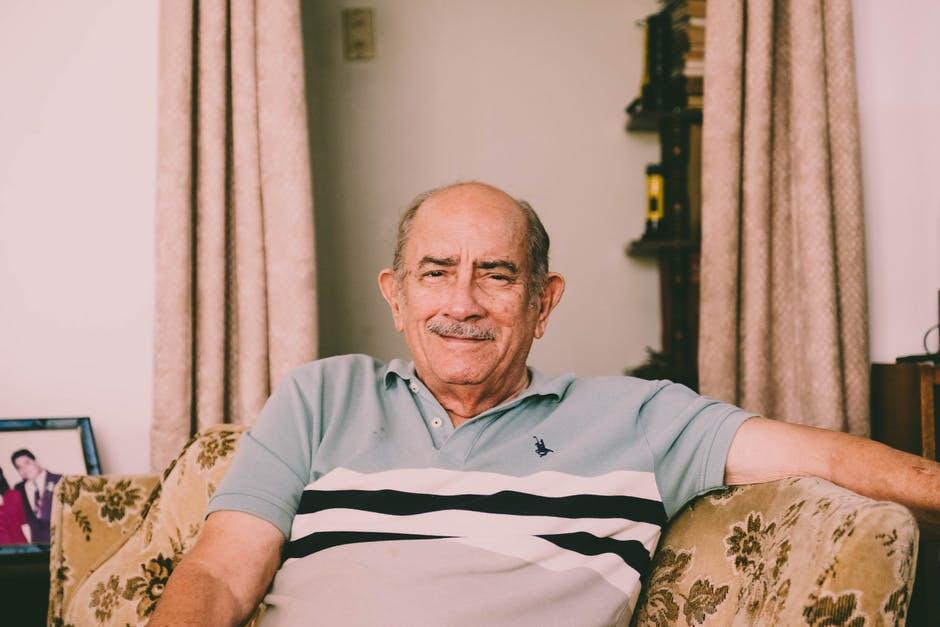
Simple routines stay the same. A person can wake up at their usual time. They can eat their favorite meals. They can sit in their favorite chair. These small things bring peace and stability.
Care at home also helps people stay close to their community. They can still see neighbors. They can still visit local places. This keeps their sense of belonging strong.
The Role of Local Community
Community plays a big role in modern care. Support is no longer just about one caregiver. It is about a network of people who care and connect.
Local communities offer many forms of help. There are support groups, social clubs, and volunteers. There are also local shops and services that know their customers well. These connections make daily life easier and more pleasant.
When care is local, it feels more personal. People understand the culture and the way of life in the area. They know what matters to the people they serve. This helps build trust.
Even small acts can have a big impact. A neighbor checking in. A friend stopping by for a chat. A local group hosting a simple event. These moments bring joy and reduce feelings of loneliness.
Care at Home: A Growing Choice
More people are now choosing to receive care at home. This option offers both comfort and flexibility. It allows people to stay in a place they love while getting the help they need.
Services like live in care Taunton help make this possible. A caregiver stays in the home and provides support throughout the day and night. This ensures that help is always close by.
This kind of care can be very reassuring. It reduces the worry of being alone. It also allows for a stronger bond between the caregiver and the person receiving care. Over time, trust grows, and the relationship becomes more natural.
Families also benefit from this setup. They can feel at ease knowing their loved one is safe. They can stay involved without feeling overwhelmed. It creates a balance that works for everyone.
The Human Side of Care
At the center of all care is the human touch. Kindness, patience, and respect are just as important as skill. A warm smile or a gentle word can change someone’s day.
Personalised care values these moments. It is not only about tasks like cooking or cleaning. It is about building a real connection. When caregivers take time to listen and understand, care becomes more meaningful.
This approach also helps reduce fear and stress. People feel more relaxed when they are treated with care and respect. They feel seen as individuals, not just as people who need help.
Over time, these small acts build trust. They create a strong bond that supports both emotional and physical well-being.
Challenges and Growth
While personalised local support has many benefits, it also comes with challenges. There is a need for more trained caregivers. There is also a need for better systems to support them.
Communities must work together to meet these needs. This includes training programs, fair pay, and strong support networks for caregivers. When caregivers feel valued, they can give better care.
Technology is also playing a role. Simple tools can help track health, manage schedules, and improve communication. But it is important to use these tools in a way that supports, not replaces, the human touch. The goal is to keep care both effective and kind. It should meet needs while also building connection.
A Return to What Matters Most
In many ways, care is coming full circle. It is returning to its roots of kindness and community. While modern systems bring safety and structure, the heart of care remains the same.
By blending tradition with new ideas, care can meet the needs of today while holding on to the values of the past. It can offer both comfort and dignity. Expand your knowledge and check out more posts on our blog!