
It’s darker, cheaper, and still sells out
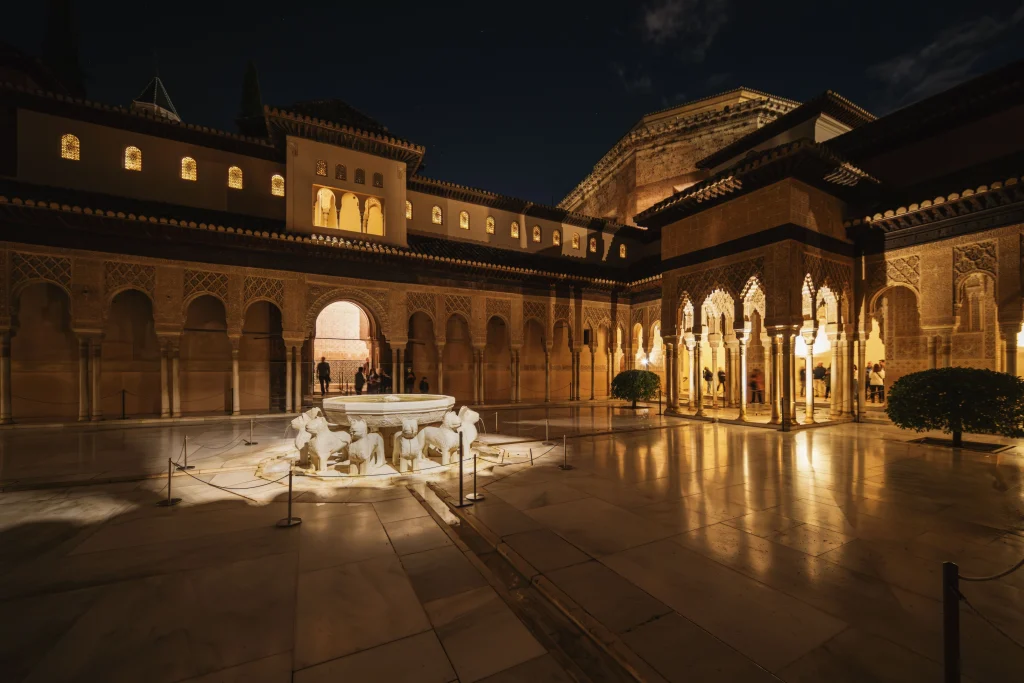
Picture this: it’s 9:45 pm in Granada, and a line of visitors is waiting quietly outside the Nasrid Palaces. No daytime crowds, no blazing sun. Just amber lighting on eight-century-old plasterwork and the sound of water in the Patio de los Leones.
That’s the night visit. And if you’ve searched for alhambra palace night tour attendance revenue, you’ve probably noticed something frustrating. Half the articles throw around big numbers — €8 million here, €10 million there — without ever pointing to an actual source. So let’s separate what’s genuinely documented from what’s guesswork.
Here’s the honest answer: the Patronato de la Alhambra y Generalife, the public body that runs the monument, doesn’t publish a separate revenue figure for night tours alone. It reports overall visitor numbers and ticket categories, but a clean “night tour attendance revenue” line item isn’t part of its public reporting. Anyone claiming a precise annual total for night tours specifically is estimating, not quoting an official figure.
That doesn’t mean there’s nothing solid to work with, though. There’s actually quite a lot.
What the official pricing tells us
Start with the numbers that are verifiable. According to the Patronato’s own site, the night visit to the Nasrid Palaces costs 12.73 € per adult, while the night visit to the Generalife gardens costs 8.48 €. Compare that to the general daytime ticket at 22.27 €, and you can see night visits are priced as a smaller, separate product rather than a premium add-on.
That pricing structure matters for understanding alhambra palace night tour attendance revenue. It’s not a luxury upsell — it’s a deliberately scaled-down, lower-capacity alternative to the daytime rush. Fewer people, shorter hours, lower headline price. The revenue math depends far more on how many nightly slots exist than on charging more per head.
Why capacity, not price, drives the numbers
The Nasrid Palaces run night visits only a few evenings a week, and only during specific months — spring through autumn evenings, and a reduced Friday–Saturday schedule in winter. Each slot admits a capped number of visitors, because UNESCO conservation guidelines limit how many bodies (and how much humidity) the fragile stucco and tile work can tolerate.
So here’s the practical takeaway: revenue from night tours is essentially attendance multiplied by a fixed low price, capped by a conservation ceiling. There’s no dynamic surge pricing pushing the number up. It’s steady, not spectacular — and that’s actually the point.
How this compares to daytime tourism
The Alhambra as a whole is one of Spain’s most visited monuments, drawing around 2.7 million visitors a year according to widely cited tourism figures. Daytime general admission, at nearly double the night-tour price and open every day, unsurprisingly accounts for the large majority of the site’s ticketing income.
Night tours are a smaller, supplementary channel. Think of it like a restaurant’s lunch and dinner service — lunch serves more covers, but dinner has its own loyal following willing to book a specific slot for a different kind of experience. Night visitors aren’t choosing the Alhambra instead of the day tour; many book both, on separate visits, which is part of why hotels and restaurants in Granada benefit from extended stays tied to evening tickets.
The murky claims worth ignoring
Search around and you’ll find articles quoting exact annual figures like “€8.4 million in 2023” or “over €10 million by 2026” for night tour revenue specifically. None of these trace back to a Patronato financial report or an audited tourism ministry document.
That’s worth flagging honestly. As of 2026, several of the pages ranking for this exact phrase read like templated content rather than original reporting — recycled paragraphs, contradictory visitor counts, and stats that shift from one article to the next with no citation. If you’re doing serious research on Alhambra tourism economics, treat any specific night-tour-only revenue total with real skepticism unless it links to the Patronato itself or a recognized outlet.
What tourism data does support
None of this means night tours are financially irrelevant — quite the opposite. A few things are reasonably well established:
- Night visits run at or near capacity for much of the year, especially spring through early autumn.
- Nasrid Palaces tickets require a fixed entry window, and unused slots aren’t easily resold, which keeps demand pressure high.
- Third-party guided night tours (through licensed operators, not the Patronato directly) add a separate, higher-margin revenue stream on top of base ticket sales.
- Granada’s broader hospitality sector — hotels, restaurants, transport — captures meaningful spillover from evening visitors who extend their stay in the city.
According to tourism economists who study heritage-site management, the more interesting story isn’t the top-line number at all — it’s the model. Capping visitor numbers to protect a fragile site, while still running a financially self-sustaining ticketing operation, is a template other UNESCO sites are increasingly studying.
Should you actually care about the revenue figure?
Probably not as much as you should care about booking early. If your interest in alhambra palace night tour attendance revenue is really about planning a visit, here’s the part that matters: night tickets sell out weeks to months ahead in peak season, so book directly through the official Patronato ticketing site rather than a markup reseller.
If your interest is more academic — heritage economics, sustainable tourism modeling — the real lesson is that scarcity, not aggressive pricing, is what makes the night-tour revenue channel work. It’s a small, capped, steady income stream that funds ongoing conservation, not a growth engine chasing record-breaking numbers every year.
The bottom line
There’s no shame in wanting a clean number. But the most accurate answer here is a bit less dramatic than the headlines suggest: solid, verifiable ticket pricing exists, overall visitor totals exist, and a believable picture can be built from both. A precise, official, night-tour-only revenue figure simply hasn’t been published — and treating unsourced estimates as fact does readers a disservice. As tourism to Granada continues climbing through 2026, that gap in public reporting is one worth watching for anyone tracking heritage-site finances closely.
FAQs
Does the Alhambra publish official night tour revenue figures?
No. The Patronato de la Alhambra y Generalife publishes ticket prices and general visitor statistics, but not a separate revenue breakdown for night tours alone.
How much does an Alhambra night tour cost?
As of 2026, the official night visit to the Nasrid Palaces is priced at 12.73 €, and the night visit to the Generalife gardens at 8.48 €, per the Patronato’s own pricing page.
Are night tours cheaper than daytime visits?
Yes. The general daytime ticket costs 22.27 €, nearly double the Nasrid Palaces night ticket, reflecting the shorter hours and more limited scope of the evening visit.
Why are night tour numbers capped?
UNESCO conservation guidelines limit visitor density inside the Nasrid Palaces to protect delicate plasterwork and tile decoration from humidity and foot traffic damage.
Is it worth booking the night tour instead of the day tour?
They cover different areas and moods rather than replacing each other — many visitors book both across separate days for the fuller experience.