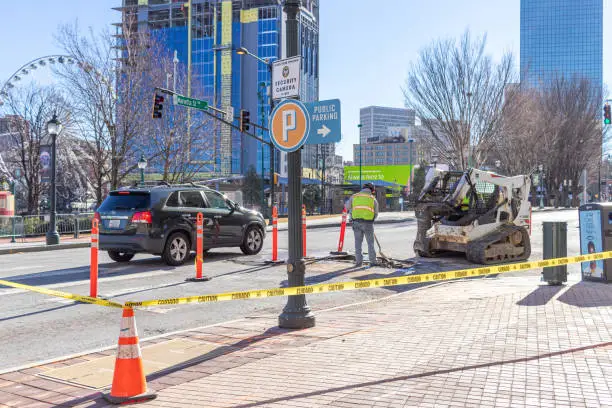
A roadside or highway accident can leave behind much more than damaged vehicles. Fuel, oil, broken glass, vehicle parts, personal belongings, and other debris may be scattered across the roadway or surrounding area. These materials can create additional hazards for drivers, emergency personnel, pedestrians, and nearby property.
Once injured people have received medical attention and the immediate emergency has been addressed, the accident scene must be carefully managed and cleaned. Proper cleanup is an important part of restoring the area and allowing traffic to resume safely.
Understanding what happens during post-accident cleanup can help property owners, transportation professionals, and businesses recognize why specialized response services may be necessary.
Why Accident Scene Cleanup Requires Careful Planning
An accident scene can contain many different types of debris and potentially hazardous materials. Broken vehicle components may have sharp edges, while spilled fuel and automotive fluids can create environmental or fire concerns.
There may also be damaged pavement, scattered cargo, glass fragments, or materials from roadside structures.
Because every accident is different, cleanup crews must first evaluate the scene and determine what materials are present. The size of the accident, number of vehicles involved, weather conditions, and location can all affect the response.
Safety Comes Before Cleanup
The first priority at any accident scene is safety. Cleanup should not begin until emergency responders have addressed immediate dangers and the area can be accessed safely.
Traffic control is especially important on busy roads and highways. Passing vehicles can create significant risks for workers if lanes remain open near the cleanup area.
Depending on the situation, lanes may need to remain closed until debris and hazardous materials have been removed.
Removing Vehicle Debris
Collisions can scatter a wide range of materials across a roadway. Pieces of bumpers, mirrors, headlights, tires, metal components, and other vehicle parts may need to be collected.
Even relatively small debris can become dangerous if another vehicle drives over it.
Cleanup crews must carefully inspect the surrounding area rather than focusing only on the most obvious debris. Materials can travel beyond the immediate collision point, particularly after high-speed accidents.
Managing Automotive Fluids
Vehicles contain several fluids that can leak after a collision. These may include motor oil, coolant, transmission fluid, brake fluid, and fuel.
Some fluids can create slippery surfaces, while others may pose environmental or safety concerns. Fuel spills can be particularly serious because of their flammability.
Specialized absorbent materials and appropriate containment methods may be used depending on the substance involved. The affected area may also require additional treatment after the visible liquid has been removed.
Cleaning Broken Glass
Broken glass is one of the most common forms of accident debris. Small fragments can remain scattered across the roadway even after larger pieces have been collected.
Simply removing the larger pieces may not be enough to make the area safe. Cleanup crews need to inspect the surrounding pavement carefully and remove smaller fragments that could damage tires or create hazards for pedestrians.
Proper disposal is also important to prevent injuries during subsequent handling.
Dealing With Damaged Cargo
Commercial trucks and delivery vehicles may carry materials that become scattered during an accident. Depending on the cargo, cleanup can range from straightforward debris collection to a more complex response.
Unknown or potentially hazardous materials should not be handled without proper identification and appropriate safety procedures.
Cleanup teams may need to coordinate with emergency responders, transportation authorities, property owners, or other responsible parties before removing certain materials.
Addressing Road Surface Contamination
An accident can leave oils, fuel, and other substances on asphalt or concrete. Removing visible debris does not necessarily mean the roadway has been fully cleaned.
Residual contamination may create slippery conditions or leave stains on the pavement.
Depending on the substance and severity of the spill, specialized cleaning methods may be required to restore the affected surface.
Preventing Secondary Accidents
One of the most important goals of post-accident cleanup is preventing another accident from occurring.
Debris left on a busy roadway can force drivers to make sudden maneuvers. Fluids can reduce traction, while damaged roadside areas may create additional hazards.
Professional roadside accident cleanup helps address these risks by systematically removing debris and treating affected areas rather than simply clearing the most visible objects.
Working Around Emergency Responders
Accident cleanup often involves coordination between multiple groups. Police officers, firefighters, paramedics, towing companies, transportation authorities, and cleanup crews may all have different responsibilities.
Cleanup should not interfere with emergency operations or evidence collection when an investigation is still underway.
Clear communication between parties helps determine when cleanup can begin and which materials can be safely removed.
Why Highway Locations Can Be Especially Challenging
Highway accidents present additional challenges because traffic can move quickly and the affected area may cover multiple lanes.
Weather can also complicate the response. Rain can spread automotive fluids across pavement, while strong winds may move lightweight debris into surrounding areas.
Cleanup teams need to consider not only the primary accident location but also nearby lanes, shoulders, medians, and other areas where debris may have traveled.
Environmental Considerations
Accident-related spills can potentially affect soil, drainage systems, and nearby waterways. The environmental impact depends on the substance released, the quantity, and the surrounding conditions.
Containing and removing spilled materials promptly can help reduce the chance of them spreading beyond the original accident area.
Businesses and property owners should also be aware that certain spills may require specific handling or reporting procedures depending on the circumstances.
When Professional Cleanup Is Appropriate
Minor debris may sometimes be handled as part of routine roadway maintenance. However, larger incidents involving significant debris, vehicle fluids, hazardous materials, or extensive contamination may require specialized assistance.
Organizations searching for Roadside & Highway Accident Cleanup in Atlanta, GA for professional post-accident roadway restoration should look for providers with appropriate equipment, trained personnel, and experience handling complex accident scenes.
Professional assistance can be particularly valuable when the incident involves multiple vehicles or materials that cannot be safely handled using ordinary cleaning equipment.
The Importance of a Thorough Final Inspection
After debris and spilled materials have been removed, the area should be inspected carefully. Cleanup crews should look for remaining glass, vehicle fragments, fluid residue, and other hazards.
A final inspection helps ensure that less obvious debris has not been overlooked.
The goal is not simply to make the accident scene appear clean. The area should be evaluated from a safety perspective to determine whether it is suitable for normal traffic or use.
Preparing for Unexpected Accidents
Businesses, transportation companies, municipalities, and property managers can benefit from having emergency response contacts available before an accident occurs.
Keeping relevant phone numbers and response procedures accessible can reduce delays when a serious incident happens.
It is also useful to understand which types of situations require specialized cleanup and which can be handled through standard maintenance procedures.
Conclusion
A vehicle accident can leave behind a complicated combination of debris, automotive fluids, damaged materials, and roadway hazards. Cleaning the scene properly is an important part of restoring safe conditions and reducing the risk of secondary incidents.
The process may involve debris removal, fluid containment, glass collection, surface cleaning, environmental considerations, and coordination with emergency responders. More serious incidents can require specialized equipment and trained cleanup professionals.
By understanding the cleanup process and planning ahead for emergencies, businesses and organizations can respond more effectively when an accident occurs. Thorough post-accident cleanup helps restore the affected area while supporting safer conditions for everyone who uses the roadway.