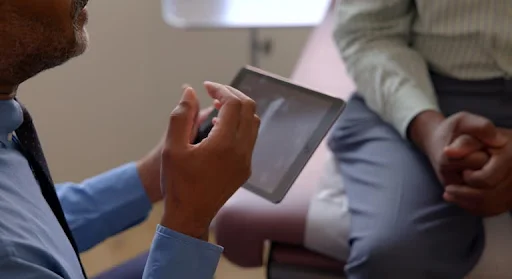
You walk into a doctor’s office feeling unwell, and after a quick consultation, you leave with a prescription that makes you feel better. That’s the healthcare system most people know.
But what if the real threat to your health isn’t something a doctor can fix in a fifteen-minute appointment? What if the air you breathe, the food you can afford, and the suburb you live in are quietly shaping your health long before you ever feel sick?
Australia’s biggest health challenges are no longer just individual problems. They are population-level issues that demand population-level solutions. Public health is stepping into the spotlight because the conditions making people sick are embedded in everyday life.
And that shift is creating new urgency, new thinking, and new career paths for people ready to tackle health from a completely different angle
From Disease to Prevention: Why Health Is Bigger Than the Doctor’s Room
The best health intervention may be the one that stops you needing treatment in the first place.
Doctors, nurses and other health professionals play a vital role in diagnosing and treating illness. But public health takes a step back and asks a different question: what can be done to prevent illness across an entire population?
That might mean vaccination programs, cancer screening, safer workplaces, health education or policies designed to make healthier choices easier.
It also means looking at the conditions surrounding people’s lives. Where you live, work and grow up can influence your health, alongside factors such as income, education, housing and access to services.
Australia’s preventive health strategy recognises that improving health requires action across systems, not simply telling individuals to make better choices.
Climate, Chronic Disease and Health Inequality Are Changing the Public Health Agenda
The health challenges Australia faces today look very different from previous generations.
Heatwaves affect older people, outdoor workers, babies and people with chronic illness. Bushfire smoke can worsen asthma and heart disease. Floods can damage homes, disrupt health services and place huge stress on communities. Climate change is now a health issue, not just an environmental one.
At the same time, chronic diseases such as diabetes, heart disease, cancer and mental health conditions are placing pressure on families and health services. These conditions are often linked to the world around us: food systems, advertising, income, education, transport, culture and access to care.
Health inequality adds another layer. Good health is not distributed evenly across the population. Income, housing, employment, education, geography and access to healthcare can all influence health outcomes.
These challenges cannot be solved by asking individuals to try harder. They require researchers, health professionals, governments, communities and other organisations to understand where problems occur and what interventions can actually make a difference.
That is a very different problem from treating one patient at a time.
The Data Behind Health: Why Epidemiology and Evidence Matter More Than Ever
Behind every good public health decision, there is usually a careful look at the evidence.
Epidemiology is the science that helps make sense of health patterns. It asks who is getting sick, where, when, and why. That might sound technical, but its purpose is very practical. It helps decision-makers see problems clearly before they grow.
Data shows what personal stories can’t. It can reveal rising diabetes rates in one region, limited access to cancer screening in another, or the health effects of heat in suburbs with fewer trees. It can also show whether a program is working or just sounding good on paper.
This matters because public health resources are never endless. Governments, health services and communities need to know which actions will make the biggest difference.
Evidence gives public health its direction. Without reliable data, it becomes much harder to know which problems deserve attention, which interventions work and whether they are actually improving people’s lives.
Who Will Solve Tomorrow’s Health Challenges? The Growing Role of Public Health Professionals
The public health workforce is becoming increasingly multidisciplinary.
Tomorrow’s health challenges will need people who can look beyond individual diagnoses and understand how health systems, communities, environments and behaviours interact.
Public health is not one single job:
- Epidemiologists, who investigate patterns and causes of disease.
- Health promotion specialists, who develop strategies that encourage healthier communities.
- Environmental health professionals, who examine risks involving air, water, housing, and other environments.
- Public health researchers, who generate and evaluate evidence.
- Health policy professionals, who help translate evidence into practical policy.
- Population health specialists, who examine health outcomes across communities and groups.
Someone with a Master of Public Health might also contribute by designing better health learning programs for schools, workplaces or community groups. The common thread is simple: helping people live healthier lives, at scale.
The doctor’s office will always matter, but it cannot carry the entire burden of keeping a population healthy. Australia’s future health challenges will require a broader view, one that connects prevention with evidence, communities with policy and individual health with the conditions in which people live. Public health provides that wider perspective.
For professionals looking to contribute to the health of future generations, it offers something increasingly important: the opportunity to understand not only how we treat illness, but how we can prevent more people from becoming ill in the first place.
Some health problems can’t be fixed in a doctor’s office, no matter how skilled the doctor is. They begin in the places where people live, work, learn, travel, and grow older.
That’s why public health matters so much right now. It focuses on prevention, fairness, evidence, and the bigger picture.
As Australia faces more complex challenges, public health will keep moving from the background to the centre of the conversation.