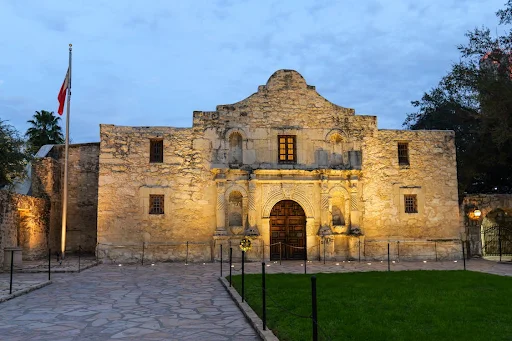
Old buildings tell stories of the past. Texas holds many old places where people used to live and work. Walking through these empty streets can feel like stepping back in a time machine for Built Heritage of Abandoned Towns.
These locations show how communities grew and faded. Wood and stone structures remain behind after everyone leaves. They offer a unique look at early settlers. Exploring these spots helps us understand the foundations of the state.
The Appeal of Texas Deserted Settlements
Many people travel across the state to find historic architecture. They seek out several Abandoned Ghost Towns to photograph the decaying timber homes. These explorers document the ways weather changes the wood.
Visitors often find old tools left in the dirt. Rusty iron hardware remains attached to rotting doors. These items give clues about the jobs people did long ago.
Photographers enjoy the unique angles of falling roofs. Sunlight streams through the broken windows during the afternoon hours to Built Heritage of Abandoned Towns.
Tracking the History of Forgotten Spaces
Researchers spend years studying old maps and records. A state historical volume provides a comprehensive overview of empty municipalities across the region. These documents help trackers find the exact locations of settlements that vanished from modern maps.
Finding the names of these places requires patience. Land deeds and census data from 1880 show who owned the property.
Many records exist only in small libraries. Local historians protect these papers to keep the memories alive. Digitizing the old records helps students learn about regional growth.
Protecting the Remaining Structures
Local governments work hard to protect historic ruins from vandalism. A regional heritage program explains that its main goal involves protecting local historic assets for the education and enjoyment of future residents. Safe sites allow students to visit and learn about the past.
Preservation protects structures from harsh weather elements. Workers sometimes stabilize roofs to prevent total collapse. A single repair project can cost over $5000 in materials alone.
Volunteers frequently clean up the weeds around the foundations. Removing brush prevents wildfires from destroying the dry timber. Small efforts help keep the remaining walls standing.
Turning Ruins Into Museum Pieces
Some towns receive special attention from historical groups. An encyclopedia entry notes that an 1873 courthouse, an old post office, and a local jail now serve as museum exhibits. Visitors can tour these properties to see real nineteenth-century craftsmanship.
These sites often feature restored farmhouses, too. People can walk inside the rooms to see the vintage furniture. The buildings provide a clear picture of frontier life.
Curators collect clothing and letters from the original families. Display cases protect these fragile items inside the old courthouse. Reading the letters helps visitors connect with past generations.
Common Architectural Features of Frontier Towns
Wood structures often feature common designs from the 1800s. Builders used local materials like limestone and pine to construct shops. Many settlements followed a standard layout before they were abandoned:
- Main streets featured two-story general stores with wide wooden porches.
- Small homes sat behind the business district near freshwater sources.
- Stone foundations supported heavy equipment like cotton gins or mills.
These features show how practical the early builders were. They designed spaces to handle difficult weather.
The styling of the porches provided shade during hot summer days. Tall windows allowed the breeze to cool the indoor rooms. Every design element had a functional purpose Built Heritage of Abandoned Towns.
The Impact of Railroads
Railroad tracks decided the fate of many early communities. When trains bypassed a depot, businesses moved closer to the new line. The old town would lose its population within 2 or 3 years.
Towns that secured a train stop grew rapidly. Merchants built large brick hotels to house traveling salesmen. The communities that missed the tracks quickly faded away.
Empty train stations still stand in empty fields. They remind travelers of the days when steam engines brought goods to the prairie.
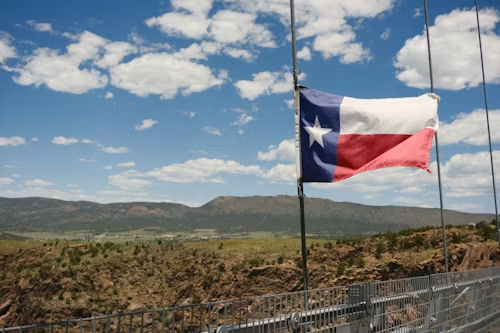
The Weathering Process of Abandoned Wood
Sun and wind change the look of old lumber. Unpainted pine turns a silver gray color after decades of exposure. This natural process helps people identify the age of a structure.
Termites and water damage the foundations. Without proper care, heavy roofs eventually cave in. Heavy storms can flatten a weak building overnight.
Iron nails rust and loosen their grip on the beams. The wood warps as seasons shift from wet to dry. This slow decay creates a unique look for every building, a visual record of time.
Visiting these empty locations offers a quiet look at the past. The standing walls remind us of the families who built lives in the wilderness. Every fallen brick represents a piece of shared history.
Preserving the memory of these settlements keeps the early stories alive. Future generations can look at these buildings to understand the roots of the state.
We love seeing you win. Explore 2A Magazine for tools built just for you.