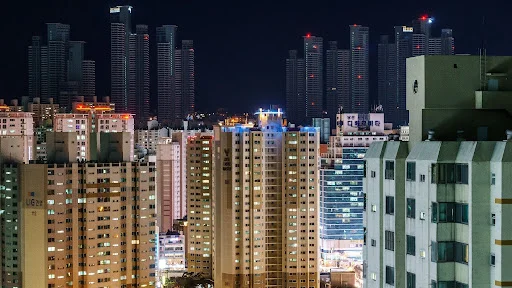
Global capital markets fundamentally transform the architectural identity and structural landscape of modern metropolitan areas worldwide. International investors seek stable returns by backing residential towers, commercial hubs, and mixed-use developments across major destination cities. Transnational financial flows increasingly dictate the physical evolution of cities Urban Construction.
The Global Inflow Of Capital In Urban Real Estate
Gateway cities experience an unprecedented concentration of overseas financing targeted directly at premium commercial and residential property markets. Institutional funds and private equity firms continuously allocate substantial percentages of capital to high-rise construction projects. These investments allow for the realization of ambitious architectural designs.
High-end luxury towers and corporate complexes alter local property dynamics by establishing entirely new valuation benchmarks in established neighborhoods. The reliance on international cash flows changes how developers plan future residential zones and commercial centers. Incoming capital elevates construction standards while driving demand for engineering solutions.
Urban planners must balance incoming financial windfalls with the long-term infrastructural and social needs of existing metropolitan residents. Managing capital inflows requires sophisticated regulatory frameworks designed to maintain market equilibrium and prevent excessive property speculation. Effectively managing international financing successfully revitalizes underutilized civic districts.
Infrastructure Development And Public-Private Partnerships
Municipal governments form strategic alliances with transnational corporations to fund essential public transit systems and municipal utilities. Massive railway lines, modern airports, and highway expansions depend heavily on international joint ventures to materialize. These partnerships distribute financial risks across multiple global entities, ensuring project stability.
Private entities bring substantial financing and specialized technical expertise, ensuring complex building projects reach completion ahead of schedule. Such collaborative models reduce the immediate financial strain on local taxpayers while delivering updated facilities. The resulting infrastructure improvements significantly enhance the operational efficiency of expanding cities.
Long-term concessions guarantee international investors reliable revenue streams through tolls, user fees, or government subsidies over several decades. Public infrastructure remains a cornerstone for attracting subsequent commercial investments to expanding city centers. Without foreign capital participation, metropolitan areas struggle to keep pace with demographic growth.
Economic Incentives And The EB-5 Program
Specialized immigration policies incentivize wealthy individuals to back major construction initiatives in exchange for permanent residency benefits. These legislative programs channel billions of dollars into regional developments, fostering rapid localized growth and creating numerous jobs. Developers frequently utilize alternative funding pools to finance projects facing rigid traditional lending criteria.
Navigating the complex regulatory framework requires potential investors to thoroughly analyze the detailed requirements for the EB-5 program before committing capital to qualified projects. Meeting specific job creation thresholds remains a core prerequisite for securing successful visa approvals through this pathway. Professional oversight ensures incoming funds are allocated directly to genuine economic development.
This distinct financial mechanism allows developers to access low-cost mezzanine financing for ambitious hotel, residential, and mixed-use urban complexes. Capital raised through immigrant investor programs successfully bridges critical funding gaps in highly competitive real estate markets.
Urban Renewal And Environmental Sustainability
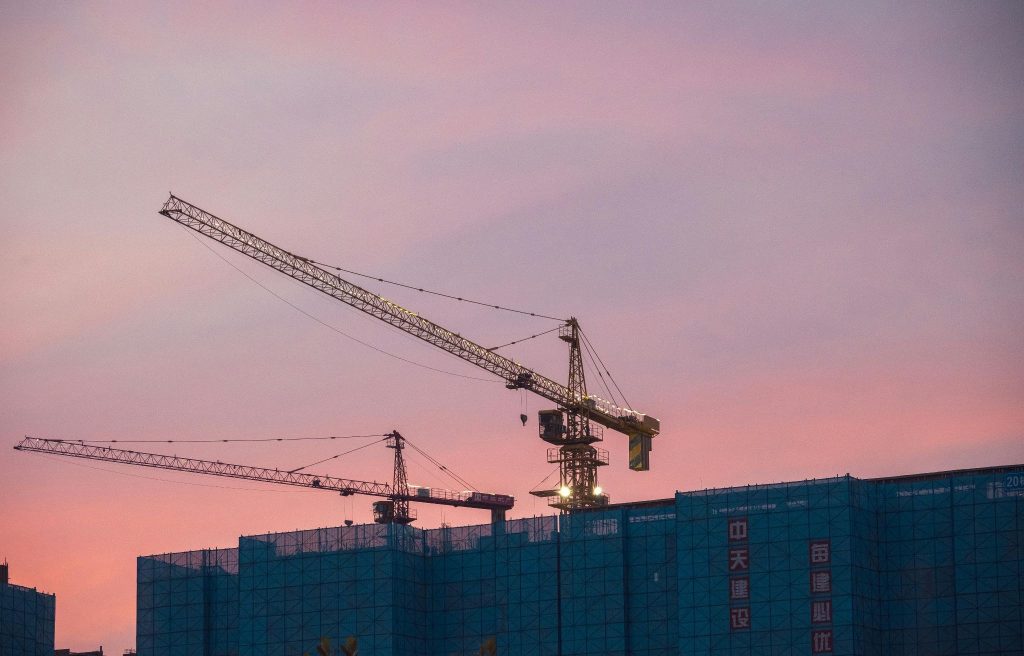
International developers prioritize green building standards to comply with evolving global environmental mandates and institutional investor preferences. Sustainable architectures, incorporating energy-efficient systems and renewable materials, attract premium tenants who value eco-conscious operations. Foreign capital frequently drives the adoption of advanced certifications, setting new benchmarks for local builders.
Retrofitting older metropolitan areas with smart electrical grids and sustainable water management systems requires substantial upfront financial commitments. Foreign green bonds and targeted climate funds provide the necessary capital for these large-scale municipal transformations. These targeted investments help cities mitigate climate change impacts while reducing resource consumption.
Eco-friendly construction practices minimize the carbon footprint of expanding metropolises while enhancing the overall quality of civic life. Urban centers embracing sustainable development secure a notable competitive advantage in attracting top-tier global corporate headquarters. Therefore, international green financing plays a pivotal role in aligning metropolitan growth with sustainability targets.
Technological Integration In Modern Smart Cities
Smart city initiatives depend on the seamless integration of advanced digital technologies within physical architectural frameworks. Automated traffic management, internet-of-things sensors, and centralized data hubs require specialized overseas investments to function effectively at scale. These technologies optimize city operations, reducing congestion and improving public safety across dense sectors.
International technology firms collaborate closely with urban planners to install cutting-edge telecommunications networks across metropolitan landscapes. High-speed connectivity supports both commercial operations and public service optimization in dense population centers. The physical infrastructure of a city must expand to include digital layers to remain competitive.
Intelligent buildings utilize real-time data analytics to optimize energy consumption and improve occupant safety protocols daily. Technological superiority remains a defining characteristic of modern cities funded by forward-looking global investment syndicates. As urban populations expand, the reliance on automated systems intensifies, requiring continuous capital infusions.
Socioeconomic Challenges And Displacement Concerns
Rapid influxes of external capital can inadvertently exacerbate housing affordability crises within historic metropolitan neighborhoods. Rising property values and increased rental rates often compel long-term residents and small local businesses to relocate away from gentrifying centers. Economic displacement alters the social fabric of communities, prompting intense debate over foreign-backed renewal.
Balancing economic revitalization with social equity represents a persistent challenge for municipal leadership worldwide. Striking an appropriate equilibrium involves implementing inclusive zoning laws alongside targeted affordable housing mandates for all new major developments. Without deliberate regulatory intervention, the benefits of international capital risk are concentrated among a few segments.
Community advocacy groups call for greater transparency regarding the ultimate beneficiaries of large foreign-backed real estate ventures. Sustainable urban growth requires addressing displacement risks, ensuring development remains inclusive for maintaining long-term civic stability. Ensuring development remains inclusive is critical for maintaining long-term civic stability and cultural diversity.
Future Projections For Transnational Property Markets
Emerging metropolitan areas across developing economies are poised to attract rising shares of global development capital over the coming decades. Evolving regulatory environments, demographic shifts, and growing middle-class populations enhance the attractiveness of secondary real estate markets. Investors are increasingly willing to explore opportunities beyond established gateway cities.
Cross-border investors will diversify their portfolios by backing specialized asset classes like data centers, healthcare facilities, and biotechnology labs. Architectural designs must adapt continuously to satisfy the specialized technical requirements of these future industries globally. Structural evolution ensures that urban construction remains closely aligned with broader technological and macroeconomic shifts.
Foreign investment acts as a powerful catalyst, redefining the architectural identity and functional capability of modern metropolitan spaces. From funding high-speed public transit networks to erecting iconic skyscrapers, external capital accelerates the evolution of urban landscapes. The profound transformations visible in today’s global cities highlight the deep interconnectedness of international finance.
Ensuring that these financial inputs yield equitable benefits demands proactive governance and thoughtful municipal planning strategies. Progressive cities will successfully leverage international wealth while safeguarding the cultural heritage and economic accessibility of their local communities. By fostering a balanced approach, urban environments maximize the advantages of global capital while maintaining social harmony.
Because we value you: Explore original insights waiting on 2A Magazine today.