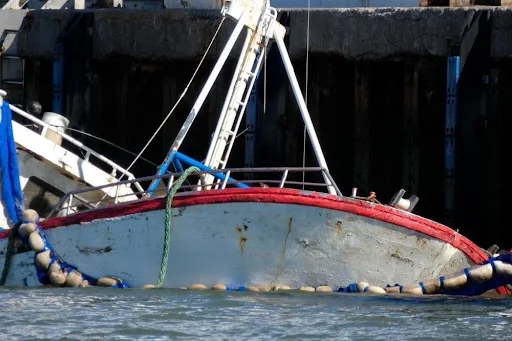
A calm day on the water can shift quickly when a boating accident happens, and everything after that feels scattered, unclear, and hard to process. What follows is not just about injuries or damaged boats but also about a structured legal path that starts taking shape soon after the incident.
Reports get filed, statements are collected, and responsibility starts to be examined from different angles. Each step plays a role in understanding what happened and why it happened. In many situations, people look for legal help for boating accidents to better understand how these steps connect and what kind of process usually follows after a water-related crash.
This overview explains how the legal journey typically unfolds after such incidents and what each stage usually involves from start to finish.
Immediate Actions After a Boating Accident
The first moments after a boating accident are usually focused on safety and quick response. Everything moves fast, and decisions made here often influence what comes later.
Ensuring Safety and Medical Attention
The priority after any boating accident is checking for injuries and getting medical help. Even minor symptoms can develop into more serious conditions later, so early attention matters. On water, reaching safety may involve moving to shore or contacting emergency services for assistance.
Reporting the Accident to Authorities
Boating accidents often need to be reported to local marine authorities or law enforcement, depending on the situation. This step creates an official record of what occurred and ensures that the incident is documented properly for future reference.
Gathering Basic Evidence at the Scene
If conditions allow, basic details such as photos of the boats, location, and visible damage may be collected. Witness names and contact information can also become important later. These early details often help build the foundation of the case.
At this stage, many people begin to consider legal help for boating accidents as they try to understand what should be documented and how early information may affect the process ahead.
Official Investigation Process
Once immediate concerns are addressed, formal investigations begin. This stage focuses on understanding how and why the accident occurred.
Reviewing Accident Reports
Authorities prepare official reports based on the scene, witness statements, and initial findings. These reports become important records that help explain the basic facts of the incident.
Examining Operator Conduct
Investigators often review whether the boat operator followed safety rules. This may include checking for signs of distraction, unsafe speed, or possible rule violations on the water.
Inspecting Equipment and Watercraft Condition
Mechanical condition plays an important role in boating accidents. Engines, navigation systems, and safety equipment are often inspected to see if any failure contributed to the incident.
Determining Liability in a Boating Accident Case
After the investigation, attention shifts toward responsibility. This part focuses on who may be legally connected to the accident.
Boat Operator Responsibility
The actions of the person operating the boat are closely reviewed. Their decisions on speed, direction, and awareness often become central to determining responsibility.
Third Party or Rental Company Liability
In some cases, boats are rented or operated under shared agreements. Rental companies or third parties may also be reviewed if equipment condition or instructions played a role in the incident.
Shared Fault Considerations
Responsibility is not always limited to one person. Different factors may combine, leading to shared fault depending on how the accident unfolded and what evidence shows.
Insurance Claims and Financial Recovery Process
Once responsibility begins to take shape, financial recovery becomes part of the process.
Filing an Insurance Claim
An official claim is usually submitted with supporting documents such as reports, medical records, and evidence collected after the accident. This starts the review process with insurance providers.
Negotiation With Insurance Providers
Insurance companies often review the details and may discuss settlement amounts. These discussions can take time as both sides evaluate losses and responsibility.
Challenges in Claim Approval
Delays, disputes, or disagreements may arise during this stage. Sometimes, additional documentation is requested before any decision is made on compensation.
Legal Proceedings if a Case Moves Forward
Not every case ends through insurance discussions. Some situations move into formal legal action.
Preparing Legal Documentation
All evidence, reports, and records are organized into a structured format. This helps present a clear timeline of events and supporting details.
Filing a Lawsuit
If required, a formal case may be filed. This step moves the matter into the legal system for further review and resolution.
Settlement Discussions or Court Trial
Even after filing, many cases are still resolved through settlement discussions. If not, the case may proceed to trial, where evidence is reviewed in court.
Closing Note
Boating accident cases in West Palm Beach, FL, follow a series of structured steps that begin with immediate response and continue through investigation, liability review, and possible legal action. Each stage builds on the one before it, helping create a clearer understanding of what happened on the water.
These cases often involve multiple factors, from equipment condition to operator decisions, which is why the process can take time and careful review. Knowing how each step works together helps explain why boating accident cases are often more detailed than they first appear and how responsibility is eventually determined through evidence and formal evaluation.
Ready to level up? Browse our master collection at 2A Magazine.