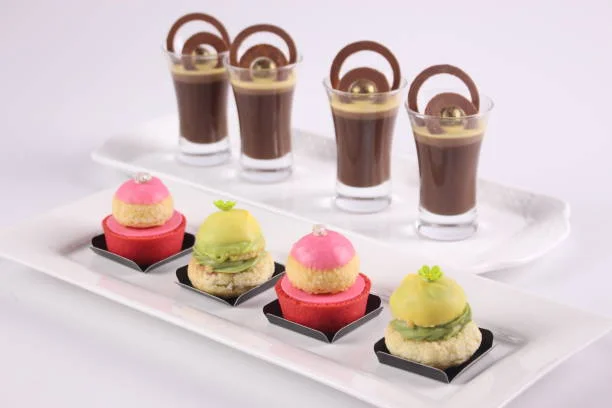
Chefs and bartenders are always looking for ingredients that do more. More flavor, more color, more creativity on the plate or in the glass. Tropical fruits have become one of the most exciting answers to that search. They bring bold taste, natural sweetness, and a vibrancy that standard fruit flavors simply cannot match. Among them, guava puree has earned a strong place in professional kitchens and bars. It works across cocktails, pastry fillings, sorbets, and glazes. Once you start using it, it quickly becomes one of those ingredients you reach for again and again.
Why Are Tropical Flavors Taking Over Modern Menus?
Diners and drinkers want something new. Familiar flavors no longer create the excitement they once did.
Tropical fruits offer real complexity. They are naturally sweet, carry bright acidity, and pair well with a wide range of other ingredients. That makes them genuinely useful, not just trendy.
They also look stunning. Deep pinks, vivid oranges, and rich yellows make dishes and drinks stand out. In a world where food photography drives discovery, visual appeal is part of the recipe.
How Tropical Flavors Pair with Other Ingredients?
Getting the best out of tropical ingredients comes down to knowing what works alongside them.
Guava and citrus are a natural match. A touch of lime or passion fruit lifts the sweetness and keeps things feeling fresh. Guava also pairs well with dairy, making it ideal for mousses, cheesecakes, and cream fillings.
Mango and coconut is a classic. Add tamarind or a hint of chili and it becomes something far more interesting. The sourness cuts through richness and keeps the palate engaged.
Passion fruit and chocolate is one of the best combinations in modern pastry. The tartness of passion fruit balances the weight of dark chocolate beautifully.
Pineapple brings brightness and acidity. It lifts heavier desserts and works well in layered applications where other flavors need a counterpoint.
Tropical Bases in Cocktails and Beverages
The bar world has fully embraced tropical flavors. Some of the most creative drinks being served right now are built on fruit bases.
Guava, passion fruit, and mango work especially well in spritz formats. Their natural sweetness and acidity balance well against sparkling wine or aperitivo spirits.
They also hold up well in frozen drinks, where flavor needs to stay strong despite ice dilution. That is not something every ingredient can do.
Non-alcoholic programs have benefited too. Tropical bases give zero-proof drinks real body and complexity. A passion fruit and hibiscus cooler can feel just as considered as any cocktail on the menu.
Cold brew and iced tea formats are another growing area. A splash of guava or tamarind base turns a standard iced tea into something worth ordering again.
Using Tropical Ingredients in Pastry and Fillings
Tropical fruits bring freshness to baked goods. They cut through butter and sugar and make rich desserts feel lighter.
Tarts, eclairs, and layered cakes have moved well beyond strawberry and raspberry. Pastry chefs are now building full dessert menus around a single tropical flavor, exploring it across different textures in one sitting.
Sorbets and granitas built on tropical bases are some of the simplest and most impressive desserts in a modern kitchen. Minimal prep, maximum flavor, and a clean finish to a heavy meal.
Mousses and ganaches benefit from the natural acidity tropical fruits bring. That acidity balances fat-heavy preparations and keeps the overall flavor feeling clean.
Glazes and mirror coatings using tropical bases add both color and flavor to finished pastry. A guava glaze over white chocolate delivers visual impact and a flavor that works with the richness underneath.
Why Consistent Sourcing Matters in Professional Kitchens?
For home cooks, a little variation is fine. For professional kitchens producing at volume, consistency is everything.
Fresh tropical fruits vary in sweetness, acidity, and water content depending on the season and where they come from. That variation makes large-scale production difficult to manage.
High-quality fruit derivatives solve this. A well-sourced fruit base delivers the same flavor, texture, and color every single time. That means a pastry team can produce a hundred identical tarts without adjusting anything.
Sourcing also affects flavor quality. A good fruit base tastes like the fruit at its best. A poor one tastes flat and processed. The difference shows up clearly in the finished product.
For any serious kitchen or bar program, investing in quality fruit derivatives is not an extra step. It is the foundation.
The Visual Power of Tropical Ingredients
Food and drink today live partly online. A dish that looks extraordinary travels further than one that merely tastes good.
Tropical ingredients are naturally photogenic. Their colors are vivid and hold up well under the lighting conditions that wash out more muted tones.
They also offer textural range. The same base can be used as a smooth glaze, a soft gel, or a foam that holds its shape. That variety gives chefs and bartenders multiple ways to use one ingredient across a full menu.
The result is a menu that looks creative and feels well thought out. That is exactly what today’s diners and drinkers are looking for.
Conclusion
Tropical flavors are not a passing trend. They have become a real part of how modern pastry and beverage professionals build their menus. The flavor depth, the visual appeal, and the range of applications make them some of the most useful ingredients available. Source them well, understand how they pair, and they will consistently deliver results that are both beautiful and delicious.
Hungry for more? We mapped out the entire ecosystem at 2A Magazine.