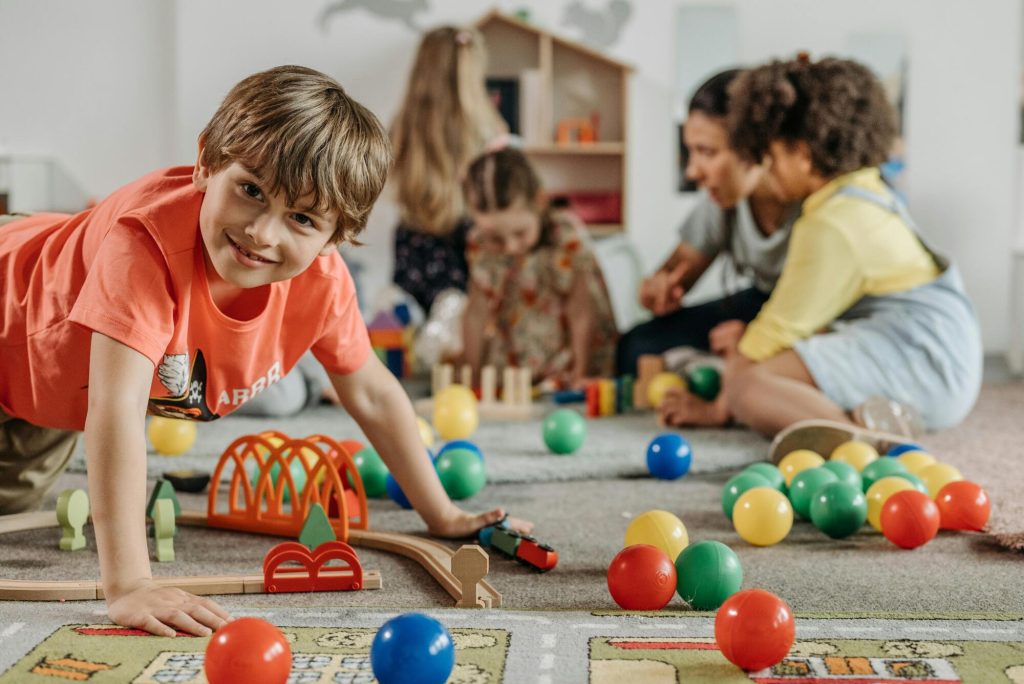
Play is a big part of growing up. It helps children learn, make friends, and feel confident. Through play, children learn about the world and share their thoughts and feelings. But not all children could enjoy playgrounds in the past. Some playgrounds were hard for children with disabilities or special needs to use safely.
Today, designers are making better playgrounds for all children. Modern play spaces are built to welcome everyone. They focus on safety, comfort, movement, and fun so every child can join in.
Read more to learn how inclusive playgrounds are helping children and families feel more welcome and connected.
Designing Spaces for All Children
Inclusive playgrounds are made so that all children can play together. Instead of separate areas, these playgrounds welcome everyone into the same space.
Wide paths and smooth floors help children using wheelchairs or walkers move around easily. Ramps help children reach play areas without using stairs. Ground-level games also help children who cannot climb high equipment.
Some children like active play, while others like quiet activities. Modern playgrounds offer many kinds of play to support different needs.
This type of playground helps children feel included and part of the group.
Sensory Play Supports Learning
Many children learn through touch, sound, movement, and sight. Because of this, sensory-friendly features are now important in modern playgrounds.
Some children may feel stressed by loud sounds or busy places. Others may need more movement and activity to stay focused. Inclusive playgrounds may have music panels, textured walls, spinning toys, and quiet spaces to help different children.
Water play, sand areas, and natural materials also help children learn by touching and exploring. These activities can help build creativity and confidence.
Quiet corners are helpful for children who need a short rest from busy play. These calm spaces help children relax before they play again.
Some design teams even study toys and products from companies like Mattel to better understand how children interact with colors, shapes, movement, and creative play experiences.
Safety Remains a Top Priority
Safety is very important in playgrounds. Inclusive playgrounds help children stay safe while they play and have fun.
Soft rubber floors can help prevent injuries when children fall. Open spaces and clear paths help children and caregivers move around safely. Parents and teachers can also watch children more easily.
Many playgrounds are made for different age groups. Younger children may play in smaller areas, while older children may enjoy bigger climbing equipment.
Safe playgrounds should still let children try new things. Children learn by climbing, moving, and solving problems. Good playgrounds give both safety and fun.
Comfort Helps Families Stay Longer
Modern playgrounds are not just for children. They are also made to help families and caregivers feel comfortable.
Seats, shaded areas, and nearby restrooms can make visits easier for parents and grandparents. Water fountains and picnic spaces also help families stay longer and enjoy time together.
Smooth paths and easy entrances help people move around more easily, especially those with mobility needs.
When families feel welcome, playgrounds become more than places to play. They become places where people can relax, meet others, and spend time together.
Nature Makes Play More Meaningful
Nature is now a big part of many modern playgrounds. Designers often add trees, gardens, rocks, and water areas to play spaces.
Natural play areas help children use their imagination. Children can climb on logs, walk through gardens, or play with sand in creative ways.
Nature play can also help children and adults feel calm and relaxed. Fresh air, sunlight, and outdoor play may help lower stress and improve focus.
Many playgrounds now mix nature with modern play equipment. This helps children enjoy fun spaces that still feel close to the outdoors.
Inclusive Spaces Build Stronger Communities
Inclusive playgrounds do more than help children have fun. They also help communities grow stronger and more connected.
When children of different abilities play together, they learn important social skills. They learn patience, empathy, teamwork, and understanding. These lessons can shape the way children interact with others throughout life.
Parents and caregivers also benefit from these shared spaces. Inclusive environments create opportunities for families from different backgrounds to meet and support one another.
Schools, parks, and local governments are beginning to understand the long-term value of inclusive design. These play spaces help create communities where people feel welcome, respected, and included.
Technology Brings New Ideas to Play
Technology is helping improve modern playgrounds. Some playgrounds now have lights, sounds, and digital games that help children move and learn.
Communication boards can help children who do not speak share their thoughts while playing with others. Interactive features can also help children with different learning needs.
Even with new technology, the main goal stays the same. Designers want children to play, learn, and enjoy time together.
Modern playgrounds continue to become more inclusive, creative, and easy for everyone to enjoy.
Playgrounds That Help Children Learn Together
Modern playgrounds can also help children learn important life skills. When children play together, they learn how to share, take turns, and work with others. Inclusive playgrounds give children the chance to meet kids with different abilities and backgrounds.
These shared experiences can help children become more kind and understanding. They also help children build friendships and feel more confident during play. A playground can become a place where children grow socially while having fun at the same time.
Modern Play Spaces: Creating a Future Where Everyone Belongs
Inclusive design is changing how people build play spaces. Modern playgrounds are now made for all children, not just some. They are built to welcome kids with different needs and abilities.
These playgrounds help children feel accepted and included. They help kids build confidence, make friends, and play together. They also show that inclusion should be part of daily life.
More schools and cities are now building inclusive playgrounds. This gives more children a chance to play, learn, and grow together. Modern play spaces are becoming places where every child can feel safe, supported, and free to have fun.
For more on this content, visit the rest of our blog!