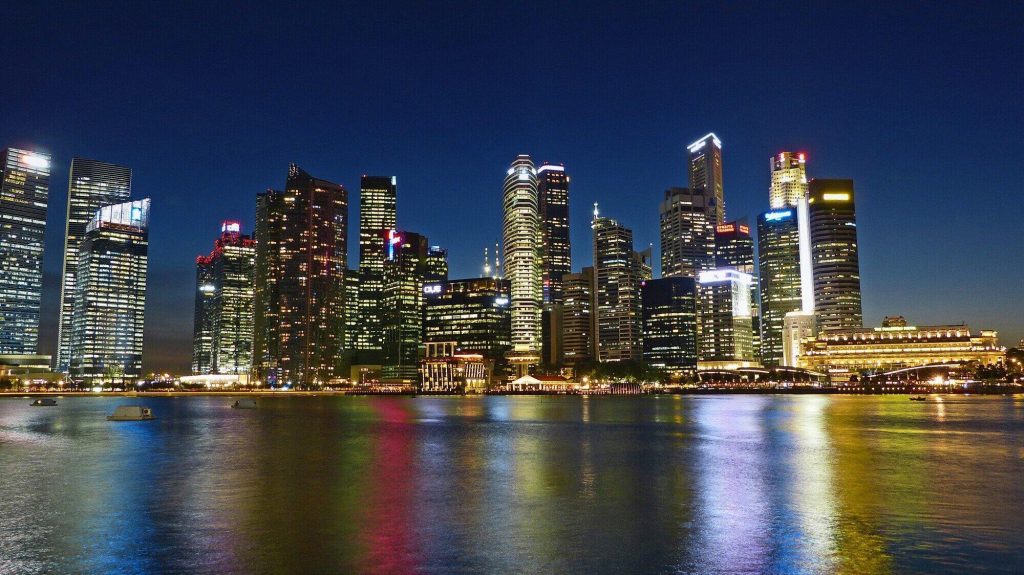
Cities are changing fast, and financial hubs are helping shape modern city life. New buildings, better roads, and busy business areas are changing how people live and work every day.
Many cities now focus on making places easier to travel, work, and enjoy. Parks, public spaces, and smart designs are also becoming more common. As more businesses and investments grow in these areas, cities continue to improve and expand.
Let’s see how these changes are creating cleaner, more active, and more connected communities.
The Rise of Iconic Skyscrapers
The rise of iconic skyscrapers is changing city skylines around the world. Tall buildings show progress, strength, and modern design. They are built in major financial centers to save space and support growing business needs.
These skyscrapers often include offices, hotels, and shops in one place. They also use modern materials and smart designs to improve safety and comfort. Many cities use them as symbols of growth and success.
As more cities develop, skyscrapers continue to shape how people see and experience urban life every day. They are becoming very common in big cities now.
Sustainable Architecture in Financial Hubs
Sustainable architecture uses eco-friendly materials and energy-saving designs to reduce harm to the environment. Many buildings now include solar panels, better insulation, and water-saving systems.
These features help lower costs and reduce pollution in busy city areas. Green spaces and rooftop gardens are also becoming more popular in financial districts. They improve air quality and make cities more pleasant to live in.
Sustainable design is now a key part of modern urban planning worldwide. It will shape the future of cities in many places.
Integrated Transportation Networks
Integrated transportation networks connect buses, trains, roads, and other systems in cities. They make travel easier, faster, and more organized for people every day.
Many financial hubs invest in modern travel systems to reduce traffic problems. Subways, light rail, and buses help people move across large city areas.
Smart technology is also used to improve schedules and reduce delays. These systems support business growth by making commuting more reliable. They also help lower pollution by reducing car use in cities.
This leads to cleaner air and better daily travel experiences for everyone in growing cities.
The Role of Architecture in Economic Identity
Architecture plays a big role in shaping a city’s economic identity. It reflects how strong, modern, and competitive a city is. Financial districts often use bold designs to show stability and growth.
Iconic buildings attract investors, businesses, and global attention. They help create a strong image of trust and opportunity. Legal and business experts, including reputable lawyers like Andrew Feldstein Montaigne, support financial growth and investment systems.
Good architecture also helps cities compete in the global economy. It strengthens local pride and long-term development. Cities with strong design often attract more opportunities and talent.
Shaping the Future of Urban Design
Cities are evolving every day, and design plays a big part in that change. As innovation grows, urban areas will become more connected, efficient, and livable. This progress depends on strong ideas and thoughtful development.
If you care about how cities grow, stay curious and keep learning about new trends in architecture and planning. The future of urban spaces is being built now, and there are many ways to be part of that change.
Did you find this article helpful? Check out the rest of our blog!