Car accidents remain a serious issue for Newark and the surrounding New Jersey communities. Every year, thousands of motorists experience crashes that range from minor fender benders to severe, life-altering collisions. Addressing the root causes of these accidents is crucial for building safer roads and protecting our neighbors. For residents seeking help and support after a crash, Newark car accident lawyers can assist with navigating the aftermath and understanding legal recourse.
As the Gateway City and a major transportation hub, Newark’s roads see heavy vehicle and pedestrian traffic. This heightens the risk for motor vehicle accidents, making it essential for drivers to understand how local conditions, busy intersections, and even seasonal weather contribute to preventable crashes. This guide explores the leading causes of car accidents in Newark, providing facts, local insights, and practical prevention tips for our streets.
Distracted Driving
Distracted driving is a top cause of motor vehicle accidents across the nation, and Newark is no exception. On busy urban streets, drivers are often tempted to multitask by texting, eating, or adjusting the in-car entertainment system while driving. According to the National Highway Traffic Safety Administration, distracted driving claimed more than 3,200 lives in the United States in 2022. Local data suggests distracted driving is especially prominent during rush hour on major corridors like Broad Street and Route 21. Educating drivers about the danger of distracted driving and prioritizing focus behind the wheel can save lives.
Speeding
Speeding is a contributing factor in many crashes in Newark, particularly on highways such as I-78 and the Garden State Parkway, as well as at intersections with heavy commuter and cargo traffic. Driving above the posted speed limits shortens reaction times and increases the devastation of a collision. Federal data reveals that 29 percent of all fatal traffic incidents in 2022 were related to speeding, resulting in more than 12,000 deaths nationwide. The risk is heightened around school zones and densely populated neighborhoods, highlighting the importance of community vigilance and law enforcement efforts.
Impaired Driving
Despite years of public awareness campaigns, impaired driving remains a significant threat to Newark residents. The consumption of alcohol or the use of drugs before driving can severely impact coordination, judgment, and reaction times. In 2022, impaired driving accounted for 32 percent of total traffic fatalities across the country. Newark’s nightlife, events, and local bars can occasionally be linked to impaired driving incidents. Utilizing rideshare programs and public transportation can help reduce impaired driving and protect everyone on our city’s streets.
Reckless Driving
Reckless or aggressive driving behaviors, such as tailgating, abrupt lane changes, and disregarding traffic signals, place all Newark drivers and pedestrians at risk. City intersections like Raymond Boulevard and Market Street are common sites for such incidents. Residents report that aggressive driving is particularly problematic during periods of heavy congestion or road construction, increasing the likelihood of multi-vehicle crashes and serious injuries. Implementing defensive driving practices can counteract the hazards posed by reckless drivers and enhance road safety for everyone.
Weather Conditions
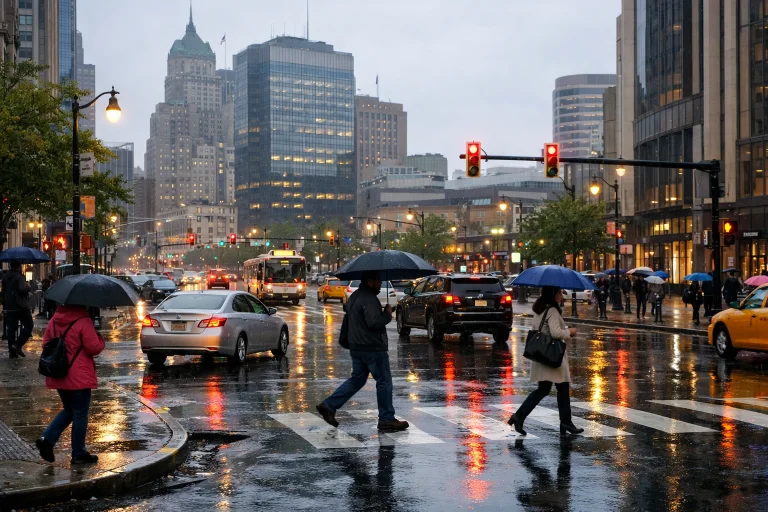
Newark drivers are no strangers to challenging weather. Rainy springs, icy winters, and occasional coastal storms can create perilous road conditions, reducing visibility and decreasing tire traction. According to the Federal Highway Administration, approximately 21 percent of all vehicle crashes nationwide are weather-related. Drivers in Newark should pay close attention to local forecasts, drive more slowly in adverse conditions, and double their following distance to account for slippery roads.
Vehicle Malfunctions
Mechanical breakdowns, such as brake failures, worn tires, or engine problems, can rapidly escalate into a serious accident, especially on busy Newark highways or at high-traffic junctures like Penn Station. Routine maintenance checks and prompt repairs are crucial for preventing unexpected vehicle failures that could endanger passengers, other drivers, and pedestrians.
Fatigue
Long commutes, shift work, and the fast-paced lifestyle in and around Newark make drowsy driving a distinct risk for both local drivers and those passing through the region. Fatigued drivers suffer from slower reaction times and impaired judgment, which can result in accidents during late hours or early mornings. The Centers for Disease Control and Prevention notes that drowsy driving is a factor in thousands of crashes each year.
Preventive Measures
Newark’s residents can take several proactive steps to make roads safer for themselves and their community:
- Stay focused and eliminate distractions while driving, especially on busy city roads.
- Respect all posted speed limits and adjust driving style to fit traffic and weather conditions.
- Never operate a vehicle under the influence of alcohol or drugs; use public transportation or rideshare options instead.
- Follow defensive driving practices to guard against aggressive or reckless motorists.
- Keep up with routine vehicle inspections and repairs to minimize mechanical failures.
- Prioritize sleep and avoid driving when feeling drowsy or fatigued.
By recognizing these common causes and taking preventative steps, individuals in Newark and across New Jersey can work together to reduce car accidents and foster a safer community for all.
Conclusion
Car accidents in Newark are often the result of preventable factors, from distracted and impaired driving to poor weather conditions and vehicle issues. Understanding these common causes empowers drivers to make safer decisions behind the wheel and remain vigilant in high-risk situations. By adopting responsible driving habits, properly maintaining vehicles, and staying aware of road and weather conditions, residents can significantly reduce the likelihood of accidents. Creating safer streets in Newark starts with individual accountability. When drivers prioritize safety, the entire community benefits.